
Vandaag of morgen in huis

Kwaliteit gegarandeerd

Welkomstaanbiedingen ontgrendelen: GRATIS bezorging | Tot 80% korting | Gratis 30 dagen JoyPlus-proefperiode
Download de app
Tired of the usual party nuts? Or perhaps you're craving those authentic Asian snacks from back in the day? The world of flavored sunflower seeds is surprisingly vast, offering much more than the plain variety from the supermarket. From savory and spicy to subtly sweet, there's a wide array of flavors to discover.
As a Joybuy Product Recommendation Officer, I'm here to guide you. In this article, we'll highlight some popular choices to give you a better idea of what's available. We'll focus purely on product features and flavors to help you make your selection.
Before you make a choice, there are a few practical things to consider. This will help you find the sunflower seeds that are perfect for your snacking occasion.
The Flavor Profile: The variety is immense. Are you looking for a deep, savory taste? Then seasoned sunflower seeds with a five-spice blend, for example, are a great direction. For the adventurous eater, there are unique flavors like crab roe flavor, which offer a rich umami experience. Those who enjoy a sweet and salty combination can look for varieties with coconut flavor.
Shelled or Unshelled: The traditional way to eat roasted sunflower seeds is in the shell. You crack the shell with your teeth, eat the kernel, and discard the shell. For many, this is a relaxing activity. If you're not in the mood for that or want to eat them on the go, shelled versions are also available that you can eat directly.
Package Size: Are you snacking alone or sharing during drinks or a movie night? Sunflower seeds are available in large 500-gram bags, ideal for sharing, but also in smaller portion packs that are convenient for on-the-go or for preserving freshness.
Below is a selection of flavored sunflower seeds that stand out for their specific profiles.
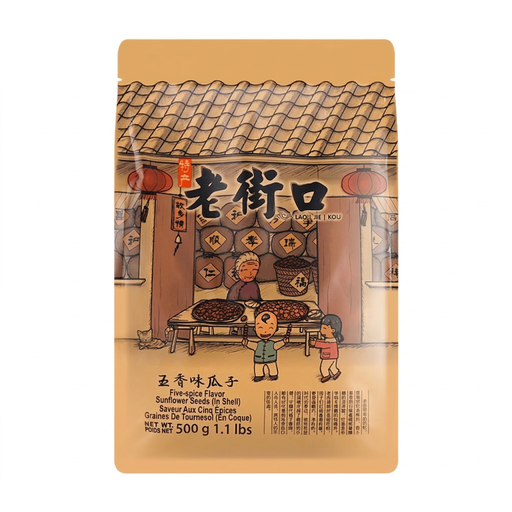
Why It Stands Out: This is a classic in the world of Chinese sunflower seeds. The seeds are roasted and flavored with a traditional five-spice blend, creating a complex, savory, and slightly anise-like taste. The large 500-gram package makes it a social snack.
Pros:
Who It's For: For lovers of traditional Asian snacks looking for an authentic taste. Also ideal for gatherings with friends and family.
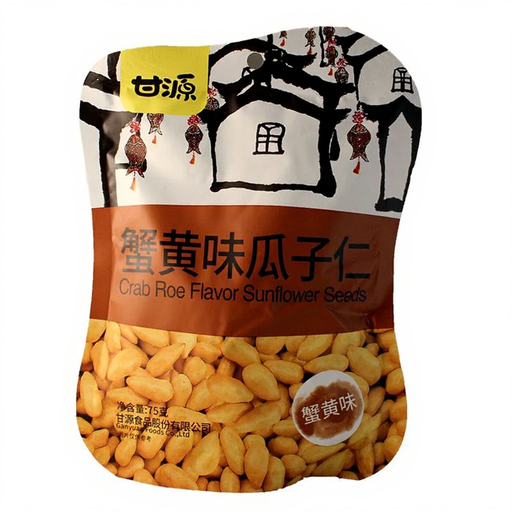
Why It Stands Out: These sunflower seeds offer a unique taste experience. According to the Gan Yuan brand, they pioneered the crab roe flavor. The kernels are already shelled and coated in a crispy layer, seasoned with crab roe powder for a deep, savory umami flavor.
Pros:
Who It's For: For the adventurous foodie who loves discovering new flavors. Also perfect for those who value convenience and want a unique snack for on the go or with drinks.

Why It Stands Out:ChaCha sunflower seeds are a household name, and this coconut flavor variety is a popular choice. It combines the salty, roasted taste of the sunflower seed with a subtle, sweet coconut coating. This creates a surprising tropical twist.
Pros:
Who It's For: For snackers who love a sweet-and-salty combination. It's an accessible yet distinctive flavor that appeals to a wide audience.
If the flavor you're looking for isn't here, or if you're curious about other types of nuts and seeds, there's much more to try.
-> Check out our full range of nut kernels here
1. How do you eat sunflower seeds in the shell? The most common method is to place the shell vertically between your teeth and bite down gently until it cracks open. Then, use your tongue to retrieve the kernel and spit out the shell. It takes a little practice, but it quickly becomes second nature.
2. Are flavored sunflower seeds a healthy choice? Sunflower seeds are naturally a source of nutrients. However, the addition of flavorings also means that sugar and salt may have been added. It is a snack. To determine how it fits into your diet, it's best to consult the nutrition facts and ingredient list on the packaging.
3. Where do most flavored sunflower seeds come from? Many of the popular and innovative flavors, such as five-spice, coconut, and crab roe, originate in Asia, particularly China. There, eating roasted sunflower seeds (known as 'guazi') is a deep-rooted cultural tradition, which has led to an enormous variety of flavors.
