
Vandaag of morgen in huis

Kwaliteit gegarandeerd

Welkomstaanbiedingen ontgrendelen: GRATIS bezorging | Tot 80% korting | Gratis 30 dagen JoyPlus-proefperiode
Download de app
Fish sauce, or nam pla in Thai, is the soul of many Southeast Asian dishes. It provides that deep, savoury umami flavour that completes your pad thai, curry, or dipping sauce. But when you're standing in front of the shelf, the choice can be overwhelming. The bottles look similar, and the labels all promise an "authentic" experience. Unfortunately, this often leads to the wrong purchase.
As a Product Recommendation Officer at Joybuy, I see which products are popular and what challenges buyers face. Many people fall into the same traps. Let's clear those up first.
The 2 Most Common Pitfalls When Choosing Fish Sauce:
To avoid making the wrong choice, it's better to focus on a few concrete specifications. These three points will help you ignore the marketing and choose a bottle that suits your taste and your dish.
Although the base is the same (fermented fish), there are subtle differences between the two most popular types:
The choice depends on your personal preference and the recipe you're following. For all-around use, a Thai fish sauce is a safe start.
A good fish sauce doesn't need much. The ingredient list is your most important tool. Look for the following two elements:
A good indicator of quality is the colour. A clear, amber to reddish-brown colour usually indicates a "first press" and a careful filtering process. A very dark, cloudy sauce may indicate a later pressing or additives, resulting in a stronger, sometimes harsher flavour.
Not everyone needs the same bottle. Below are a few popular choices, matched to the type of cook.
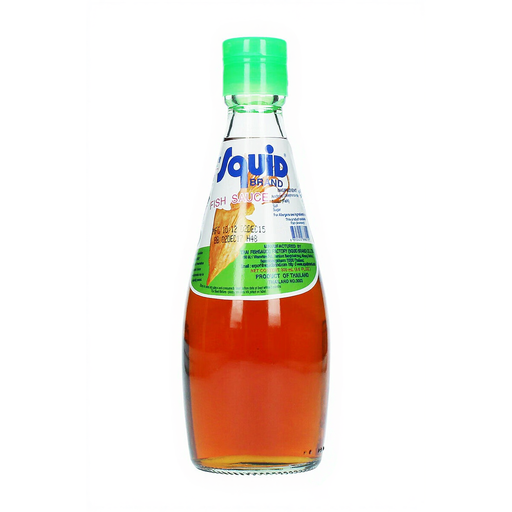
Why This Fits Their Persona: This is one of the most widely used fish sauces in the Netherlands and beyond. Its flavour is reliable, balanced, and not too overpowering, making it a perfect all-rounder for anyone starting with Thai cuisine or looking for a general-purpose bottle.
This sauce is not a salt bomb. It has a good balance between salt and umami. The label is straightforward, with no vague "premium" claims. You get what you see: a solid base sauce.
Contains 77% anchovy extract, which guarantees a rich flavour. Highly versatile for cooking, marinating, and as a base for dipping sauces.
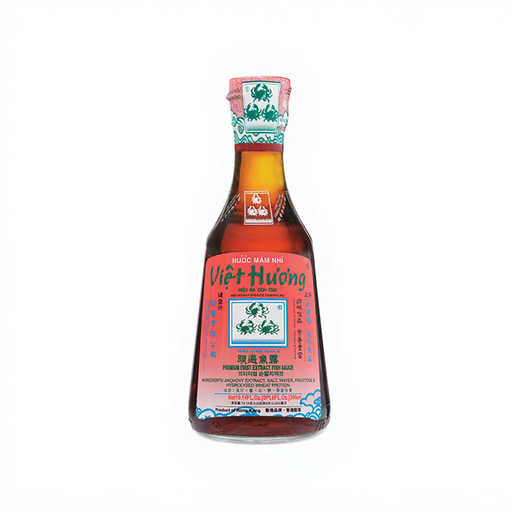
Why This Fits Their Persona: For the cook seeking the specific, slightly more complex flavour of Vietnamese fish sauce. Three Crabs is an iconic brand known for its robust yet refined flavour profile, ideal for dipping sauces and salads.
This brand delivers a consistent and recognisable flavour profile that many cooks specifically seek out. It's not a generic fish sauce but a product with its own distinct character. The ingredients are clearly listed.
Rich umami flavour with a subtle sweetness from the added fructose. The hydrolysed vegetable protein adds extra depth. A popular choice for authentic Vietnamese dishes.
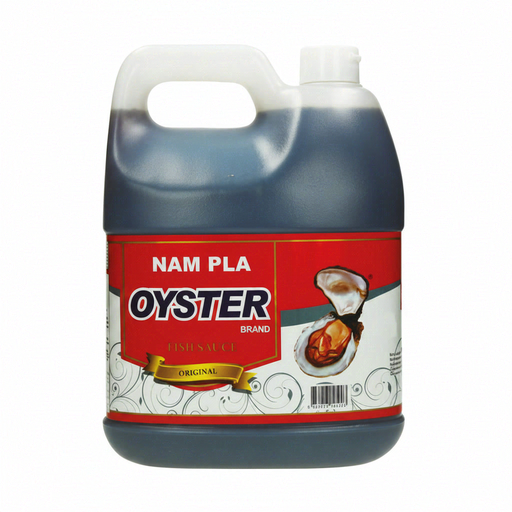
Why This Fits Their Persona: For the avid home cook, a large family, or a professional kitchen where fish sauce is a staple ingredient. This bulk container offers excellent value for money without compromising on authentic Thai flavour.
Bulk packaging can sometimes be of lower quality, but this sauce maintains a rich umami flavour. It's a kitchen workhorse that performs consistently and doesn't just add salt.
The 4.5-litre bottle is economical and practical for heavy users. The flavour is authentically Thai and suitable for a wide range of applications, from soups to marinades.
The right fish sauce can make or break your dish. If the choices above aren't exactly what you're looking for, check out our full range.
1. How long does fish sauce last after opening? Thanks to its high salt content, fish sauce has a very long shelf life. Store an opened bottle in the refrigerator. The flavour may become slightly milder after a year, but the sauce remains safe to use. Crystal formation at the bottom is normal and not a sign of spoilage.
2. What is the difference between light and dark fish sauce? The colour is often related to the pressing and fermentation time. A lighter, clearer colour often indicates a "first press," which is considered more delicate. Darker sauces are often from a later pressing or have fermented longer, resulting in a more powerful and pronounced flavour.
3. Can I use fish sauce in non-Asian dishes? Absolutely. A few drops of fish sauce can add surprising depth and umami to Western dishes without making them taste "fishy." Try it in a bolognese sauce, a stew, or even in a Caesar salad dressing as a substitute for anchovies. It's a secret weapon for extra flavour.
