
Vandaag of morgen in huis

Kwaliteit gegarandeerd

Welkomstaanbiedingen ontgrendelen: GRATIS bezorging | Tot 80% korting | Gratis 30 dagen JoyPlus-proefperiode
Download de app
The Asian condiments aisle can be overwhelming. Dozens of fish sauce bottles stare back at you, each with a different label. One promises "premium" quality, another an "authentic" flavour. But what does that really mean? If you're not careful, you could end up with a bottle that doesn't suit the dish you want to make, or overpay for a product filled with unnecessary additives.
Before you toss a random bottle into your cart, it's wise to understand two common pitfalls:
This guide will help you cut through the noise and choose the right Asian fish sauce for your kitchen.
You don't need to be an expert to make a good choice. Just pay attention to a few specific details on the label. These are the factors that truly matter.
While both are excellent flavour enhancers, there are subtle differences that can influence your choice.
The choice depends on the dish you're making and your personal preference. For a fish sauce for Pad Thai, a Thai variety is a natural starting point.
The foundation of good fish sauce is simple: anchovies, salt and water. Sometimes sugar is added to balance the flavour.
Not everyone needs the same bottle of fish sauce. Below are a few popular choices, matched to different user profiles.
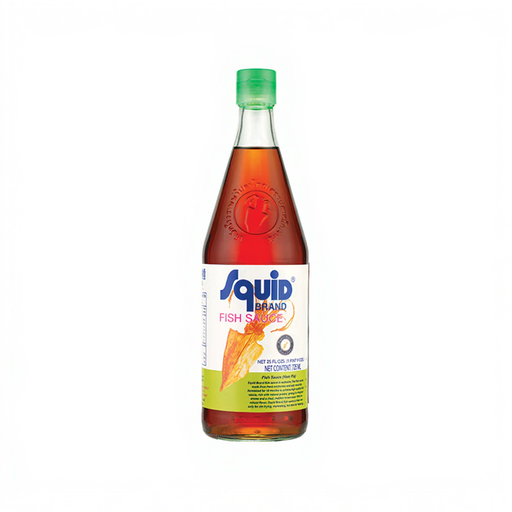
Why This Fits Their Persona: This is a reliable all-rounder. Its flavour is balanced and not too overpowering, making it suitable for a wide range of dishes, from stir-fries to marinades. A safe and versatile choice for those who regularly cook Asian food.
This is a clear, standard fish sauce that delivers on its promise. You won't accidentally grab an overly specialised, fermented version. The ingredient list is short and clear.
Made with 77% anchovy for a rich umami flavour. The large 725 ml bottle offers great value for money for regular use.
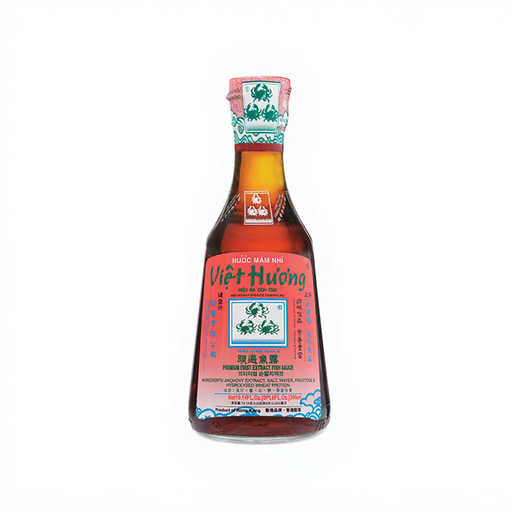
Why This Fits Their Persona: For those seeking a deep, complex flavour characteristic of Vietnamese fish sauce. This brand is often recommended for its rich and layered profile, ideal for authentic dipping sauces and marinades.
This product delivers a specific, refined flavour that goes beyond just 'salty'. It avoids the pitfall of a flat, one-dimensional taste found in some cheaper options.
Contains 49% anchovy extract and hydrolysed vegetable protein for extra depth. The flavour is robust without being overly fishy.
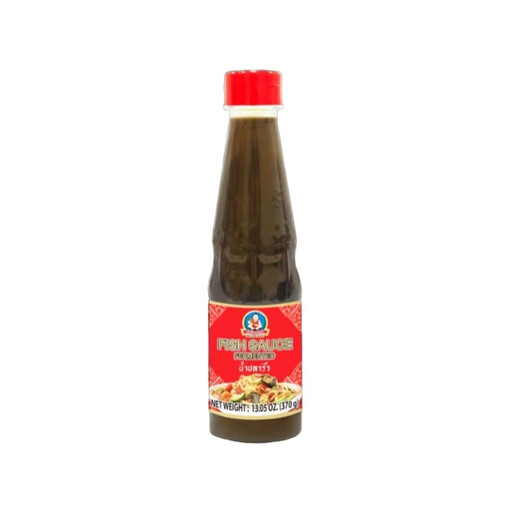
Why This Fits Their Persona: Specifically designed for fans of Northeast Thai (Isan) cuisine. This fermented fish sauce (Pla Ra) is the indispensable base for an authentic Som Tam (papaya salad) and other Isan dishes.
This product prevents the disappointment of making a dish like Som Tam with regular fish sauce, which results in a lack of depth and authenticity. This is the right tool for the job.
Made with 70% fermented fish, which provides an unparalleled deep, savoury and complex flavour essential for specific regional dishes.
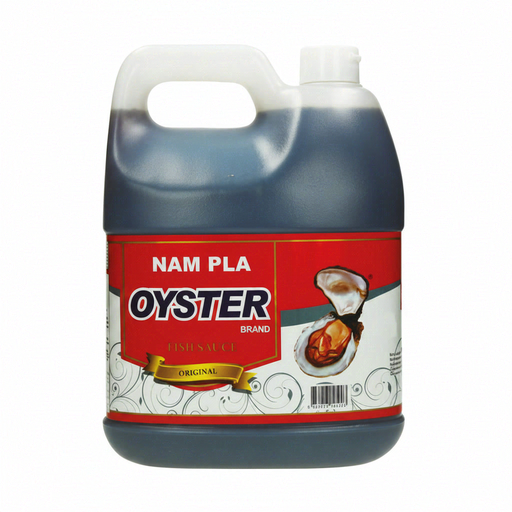
Why This Fits Their Persona: For restaurants, caterers or families who cook Asian food daily, a bulk size is essential. This 4.5-litre jug offers an economical solution without compromising on an authentic Thai fish sauce flavour.
It avoids the pitfall of constantly buying small, relatively expensive bottles. This saves money and packaging material in the long run.
A very large volume of 4.5 litres. The flavour is a rich umami that is widely applicable in Thai and Southeast Asian cuisine.
We've compiled a complete, up-to-date list of products that meet these selection criteria. Discover more specialised varieties, including unique fermented fish sauces.
Due to its extremely high salt content, fish sauce is a very stable product. After opening, it's best to store the bottle in the refrigerator to best preserve its flavour and colour. It doesn't spoil quickly, but the flavour may become slightly milder after a year or more.
As mentioned earlier, Thai fish sauce (nam pla) is generally saltier and more pungent. Vietnamese fish sauce (nước mắm) is often a bit lighter and more complex. The choice depends on the recipe and your personal preference. Both are excellent sources of umami.
No, these are two different products. Regular fish sauce is a clear filtrate of fermented fish (usually anchovies) and salt. Fermented fish sauce is cloudy, has a much stronger, more pungent aroma and flavour, and often contains other ingredients like roasted rice. It is used in specific regional dishes and is not a direct substitute for regular fish sauce.
