
Vandaag of morgen in huis

Kwaliteit gegarandeerd

Welkomstaanbiedingen ontgrendelen: GRATIS bezorging | Tot 80% korting | Gratis 30 dagen JoyPlus-proefperiode
Download de app
A fan seems like a simple purchase, until you realise your new acquisition makes more noise than a jet engine or barely moves the air at all. Many models promise the world but, in practice, leave you sweating. Before you invest in cooling, it's wise to know what to look for. We'll cover the most common pitfalls and the specifications that truly matter.
Manufacturers often use marketing terms that obscure more than they clarify. These are the three most common deceptions to watch out for.
To make an informed choice, look beyond the marketing and focus on a few concrete specifications. These determine how the fan performs in real-world use.
The noise level, expressed in decibels (dB), is one of the most important factors, especially for use in a bedroom or office. Pay attention to the maximum dB level, not just the minimum. A fan below 50 dB on a normal setting is generally considered reasonably quiet. For a bedroom fan, a model with a special, extra-quiet night mode is a smart consideration.
Not every fan is suitable for every space. The choice depends on your goal.
Think about where you will use the fan. A model with a plug is fine for a fixed location. For flexibility, a portable fan with a rechargeable battery via USB-C is more practical. A car fan typically connects to the 12V socket.
Based on objective specifications and various use cases, we have selected a few popular choices.
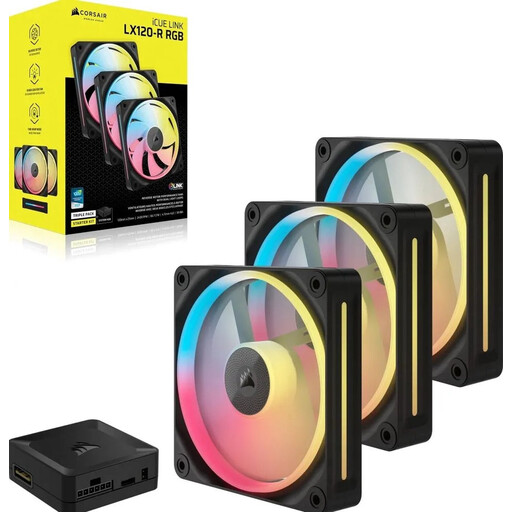
Why This Fits Their Persona: This set is ideal for gamers and PC builders who value both performance and aesthetics. The combination of strong airflow and high static pressure makes it suitable for both case cooling and radiators.
Corsair provides detailed specifications such as maximum airflow (70 CFM), static pressure (3.8 mmH2O), and noise level (35.1 dB). This goes beyond vague claims and gives a clear picture of its performance.
The 18 RGB LEDs per fan and control via iCUE software offer extensive customisation. The iCUE LINK system significantly simplifies cable management.
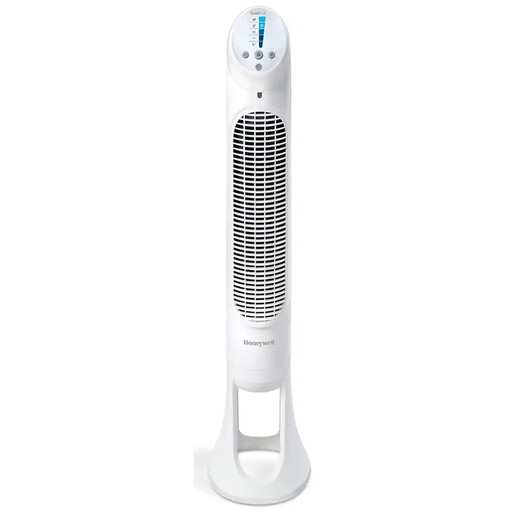
Why This Fits Their Persona: This tower fan is designed for comfort in a living or sleeping environment. Its slim design fits easily in a corner, and its features are focused on undisturbed use, even at night.
This model tackles the "whisper-quiet" myth with five specific "QuietSet" speed settings, including a sleep mode. The noise level is predictable and adjustable, rather than a single vague silent mode.
The auto-dimming display and timer function (1-8 hours) make it ideal for the bedroom. The remote control can be conveniently stored within the fan itself.

Why This Fits Their Persona: Perfect for anyone who needs hands-free cooling on the go. Ideal for public transport, walking, festivals, or outdoor activities.
Instead of vague promises about battery life, JISULIFE provides a concrete capacity (5000mAh) and a realistic usage time (2.5 to 16.5 hours, depending on the setting). The bladeless design is a clear, functional safety feature.
The ergonomic, hands-free design offers comfort and freedom of movement. It's a safe choice as there are no visible blades that could get tangled in hair or clothing.
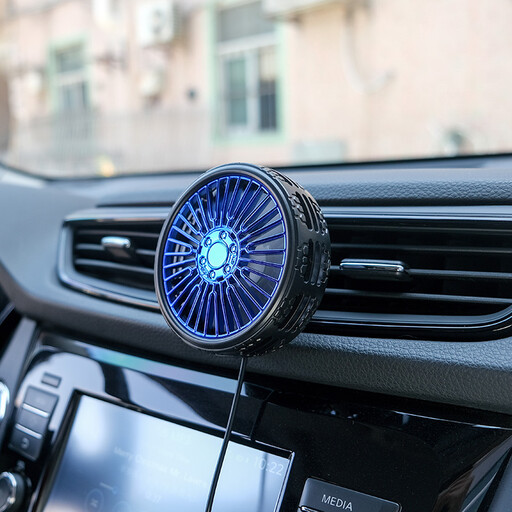
Why This Fits Their Persona: This fan is specifically designed for use in a car, SUV, or truck. It tackles the problem of a hot interior with a compact and flexibly mounted solution.
This model focuses on practical in-car usability rather than superfluous features. The dual mounting options (vent clip and dashboard base) and USB power make it instantly deployable without any fuss.
The flexible placement and three speed settings provide targeted cooling. The addition of a UV light is an extra feature that, according to the manufacturer, helps improve the air quality in the car.
We have compiled a complete, up-to-date list of products that meet these selection criteria and comply with UK safety regulations.
A fan's electricity consumption is relatively low. You can easily estimate the cost yourself. Look for the power rating in watts (W) on the product sticker or in the specifications. An average fan consumes between 30 and 50 watts. For example, if your fan uses 45W (0.045 kilowatts) and runs for 8 hours a day, you will use 0.36 kilowatt-hours (kWh) per day. Multiply this by your current electricity price per kWh to calculate the daily cost.
Neither is inherently "better"; they serve different purposes. A tower fan is ideal for broad, gentle air circulation in a smaller space and has a modern, slim design. A pedestal fan is more powerful, moves more air, and is better for targeted cooling of a larger room, but it also takes up more floor space.
Regular cleaning is important for air quality and the lifespan of the device. Always unplug the fan first. You can wipe the exterior with a slightly damp cloth. For the grille and blades, you can use a vacuum cleaner with a brush attachment to remove dust and debris. On some models, the grille can be detached for a more thorough cleaning. Never submerge the fan in water.
