
Vandaag of morgen in huis

Kwaliteit gegarandeerd

Welkomstaanbiedingen ontgrendelen: GRATIS bezorging | Tot 80% korting | Gratis 30 dagen JoyPlus-proefperiode
Download de app
Buying a face cream seems simple enough – until you have to choose between a hydrating face cream, a skin barrier cream, a soothing face cream or an anti-ageing face cream. Marketing terms like “intensive hydration”, “repair” and “suitable for all skin types” don’t always tell you how a product will fit into your daily routine.
The right choice depends mainly on your skin type, preferred texture, ingredients and tolerance to fragrance. Below, you’ll find out what to look for and which popular options suit different situations.
More ingredients don’t automatically mean a moisturiser is better for your skin. A formula might combine hydrating agents, oils, plant extracts and fragrance. If you have sensitive skin, it’s wise to look beyond the active ingredients and also check for fragrance.
Always check the full ingredients list. Glycerine, hyaluronic acid, panthenol, beta-glucan and ceramides are commonly used for moisture retention. However, they don’t tell you on their own how your skin will react to the complete formula.
A cream marketed for all skin types can, in practice, be too rich for oily or combination skin, and too light for very dry skin. Pay attention to the texture too:
According to a brand’s own research or the product description, a cream might “strengthen the skin barrier”, “reduce redness” or “tackle wrinkles”. These are not guarantees for every individual. Treat this information as a product claim and focus on verifiable details, such as the ingredients, volume, usage instructions and warnings.
If you have sensitive or acne-prone skin, a patch test is advisable. Stop using the product if irritation occurs and consult a doctor or dermatologist for persistent skin concerns.
For dry skin and a tight feeling, glycerine, hyaluronic acid, shea butter, jojoba oil and plant oils are common ingredients. Dry skin can benefit from a richer cream that helps lock in moisture.
If you’re looking for a skin barrier cream, look for ceramide NP, cholesterol, lecithin, squalane and panthenol. The presence of these ingredients doesn’t guarantee repair, but it does make the formula relevant if you want to limit moisture loss.
For sensitive skin, centella asiatica, madecassoside, beta-glucan and panthenol are interesting ingredients to consider. At the same time, check whether the formula contains fragrance, essential oils or known fragrance allergens.
A heavy cream can be pleasant in winter or at night, but less comfortable under sunscreen. A light gel cream is easier to use during the day, but may not provide enough nourishment for very dry skin.
Apply your face cream after cleansing and, if you use them, after toner or serum. During the day, sunscreen with appropriate protection should be the last step in your routine when your skin is exposed to sunlight.
Don’t just compare the price of a pot. Look at the amount in millilitres or grams, the recommended usage and the shelf life after opening. Products with 50 ml are handy for a normal routine; a pack of 80 to 100 ml can be better value if you use enough product daily.
Always read the label. Watch out for contact with eyes, storage instructions and warnings about fragrance or essential oils. The product packaging is the definitive source for the expiry date and batch number.
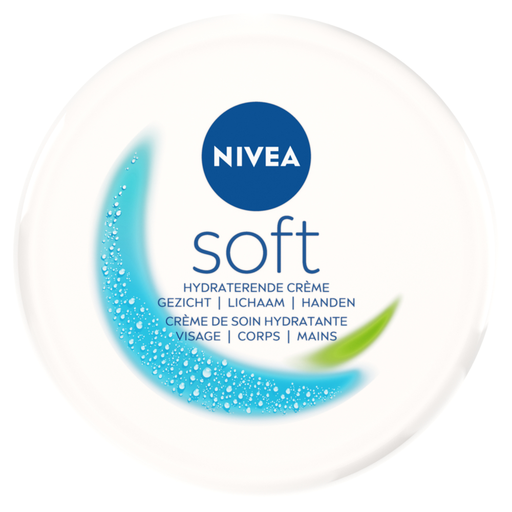
Why this suits the profile: An accessible option for anyone who wants one light cream for face, hands and body.
The product description mentions a light oil-in-water formula and a volume of 200 ml. Do check for fragrance and fragrance allergens if you have sensitive skin.
200 ml; contains glycerine, jojoba oil and vitamin E according to the ingredients list; designed for face and body.
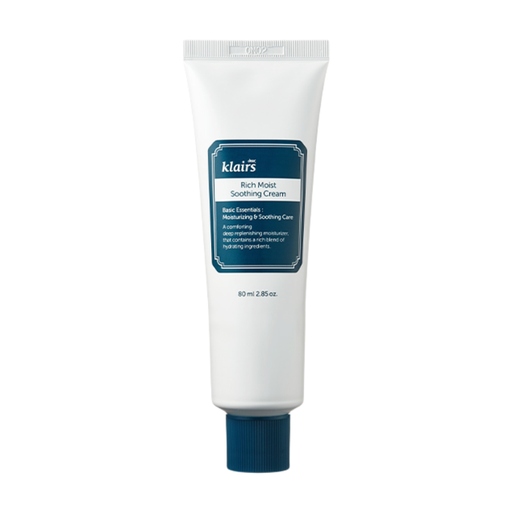
Why this suits the profile: A Korean face cream for anyone seeking a richer texture for dry or sensitive skin.
The product description mentions shea butter, jojoba oil, beta-glucan, sodium hyaluronate and ceramide NP, among others. Note: the formula also contains essential oils and fragrance allergens.
80 g; multiple moisturising ingredients; usage advice for application after cleansing, toner and serum.
We’ve put together a full, up-to-date list of products that fully meet these strict selection criteria and comply with current European safety regulations.
For most routines, one application in the morning and one in the evening is practical. Apply the cream to clean skin. During the day, follow up with sunscreen when your skin is exposed to sunlight. If you have dry skin, a small extra amount on tight areas can be helpful.
The comfort and suppleness of your skin can change quickly, but every skin type reacts differently. Give a new cream some time to assess whether the texture and hydration suit you. Don’t test several new products at once, so you can better identify which product causes a reaction.
The price depends on volume, brand, ingredients and positioning. A more expensive product isn’t automatically more suitable. Compare the price per 10 ml, check the ingredients list and choose a formula that suits your skin type. For sensitive skin, a simple, well-tolerated formula can ultimately be more practical than a product with lots of extra claims.
