
Vandaag of morgen in huis

Kwaliteit gegarandeerd
Download de app
Categorieën

The fabric softener aisle can be overwhelming. Bottles of every colour promise soft laundry, a long-lasting fragrance, or special care for sensitive skin. But which product is truly the right fit for your laundry and household? The wrong choice can lead to a scent that fades quickly, laundry that isn't soft enough, or, in the worst-case scenario, skin irritation.
This guide will help you make an informed decision based on facts and product features. We'll examine the specifications that truly matter, so you know exactly what you're buying.
Before you place a bottle in your shopping cart, it's helpful to consider a few criteria. This will help you filter the options and find a product that meets your specific needs.
A key distinction is between concentrated and non-concentrated fabric softeners.
Always check the recommended number of washes on the packaging and compare it with the volume and price to determine the cost per wash.
For households with babies or individuals with sensitive skin, the formulation is crucial. Products specifically developed for sensitive skin or as a baby-safe fabric softener often contain fewer or no harsh fragrances and dyes. Terms to look for include:
Scent is a personal preference, but its longevity is a more objective criterion. Some brands, like Robijn fabric softener, focus on a long-lasting fragrance that remains present even after drying and while wearing the clothes. Brands often communicate this with claims about fragrance capsules or formulas that infuse scent deep into the fibres.
The volume of the bottle, expressed in millilitres (ml), and the estimated number of washes are the basis for a price comparison. Additionally, the packaging itself is becoming increasingly important. Some manufacturers use recycled plastic, which can be a consideration if sustainability is important to you.
Based on the criteria above, we have curated a selection of fabric softeners that cater to different needs.
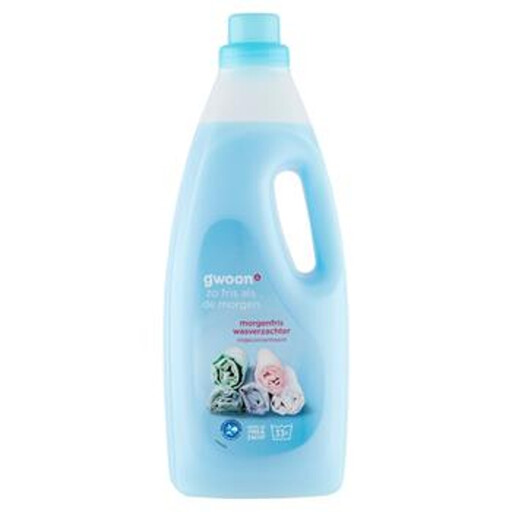
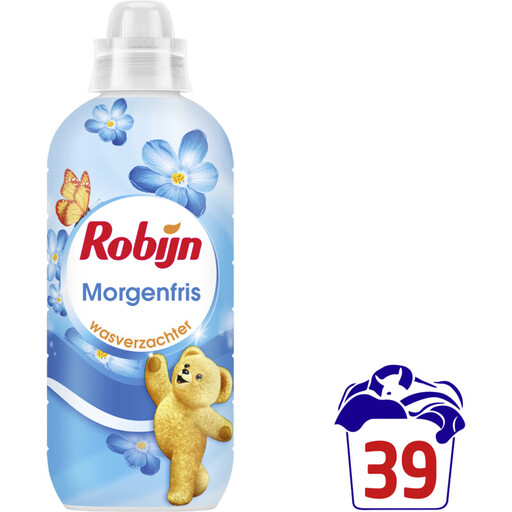
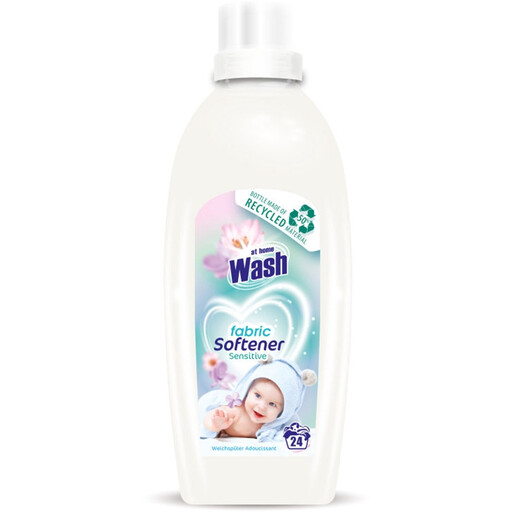
Caring for your household doesn't stop with soft, fresh textiles. Different materials require a specific approach to maintain their quality and appearance. For example, consider the maintenance of leather products, such as furniture, bags, or shoes, which need special cleaning and conditioning agents to stay supple and look their best. Proper care extends the lifespan of all your belongings.
1. What is the difference between concentrated and non-concentrated fabric softener? The main difference is the amount you need per wash. You use a smaller dose of a concentrated fabric softener (e.g., 20-25 ml) than a non-concentrated version (e.g., 60-70 ml) for the same result. Consequently, concentrated products come in smaller bottles, which saves storage space.
2. Can I use fabric softener for baby clothes? Yes, but it is highly recommended to choose a product specifically formulated for a baby's sensitive skin. Opt for a baby-safe fabric softener that is hypoallergenic and dermatologically tested. These contain milder ingredients and little to no perfume to reduce the risk of skin irritation.
3. Why isn't my laundry getting soft from fabric softener? This can have several causes. A common reason is overdosing on detergent, which leaves soap residue in the clothes that counteracts the effect of the fabric softener. An overloaded drum can also prevent the fabric softener from distributing evenly throughout the laundry. Check the dosage for both your detergent and your fabric softener, and make sure the washing machine is not too full.