
Vandaag of morgen in huis

Kwaliteit gegarandeerd
Download de app
Categorieën

Choosing an eye cream can be overwhelming. The promises are grand, but the results don't always meet expectations. The wrong choice can be a frustrating waste of money. This article serves as a practical guide. We focus on the facts: the ingredients, the texture, and the specific concern each product is designed to address. This will help you make an informed decision that suits your skin and your needs.
Before we dive into specific products, it's helpful to understand the key criteria. An effective eye cream is more than just a good marketing campaign; it's all about the formulation.
Active Ingredients: The effectiveness of an eye cream depends on its active substances. Some common ingredients include:
Specific Concerns: Not every eye cream is suitable for every problem. Identify your primary concern: is it fine lines, deeper wrinkles, dark circles, puffiness, or a combination? For example, a firming eye cream with peptides is ideal for sagging skin, while a formula with caffeine and brightening ingredients works better against dark circles.
Texture and Skin Type: The texture—from a light gel to a rich cream—affects the user experience. Oily skin often benefits from a lighter gel texture, while dry or mature skin will find more comfort in a nourishing cream.
Packaging: Active ingredients like retinoids and antioxidants can be sensitive to light and air. An opaque package with a pump or a tube is therefore often more hygienic and effective at maintaining the formula's stability than a jar you dip your fingers into.
Based on the criteria above, we have selected three eye creams, each with a different focus and formulation.
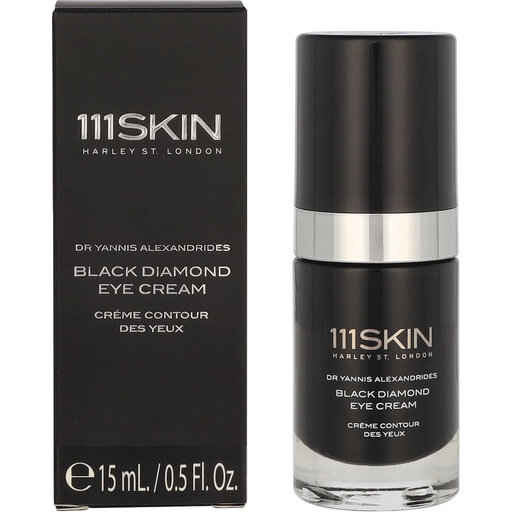
Why This Product: This eye cream is positioned in the luxury segment with a technologically advanced formula. Its foundation is a combination of peptides and a gentle form of retinoid (granactive retinoid), which stimulates cell renewal around the eyes without the irritation sometimes associated with traditional retinol. According to the brand, the addition of the NAC Y² formula and Black Diamond Technology is designed for deeper, accelerated absorption of the active ingredients.
Benefits:
Who It's For: For users looking for a powerful anti-ageing eye cream and willing to invest in a product with an advanced, peptide- and gentle-retinoid-based formula to tackle multiple signs of ageing at once.
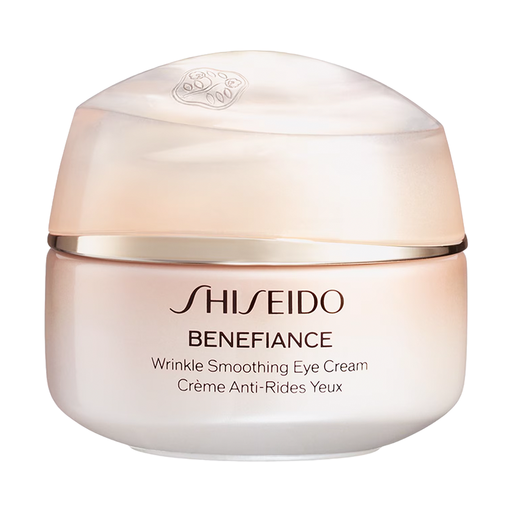
Why This Product: With this cream, Shiseido focuses on quickly and effectively addressing six different types of wrinkles around the eyes. According to the brand, wrinkles are visibly reduced in just five days. The formula uses their ReneuraRED Technology and Carnosine to tackle the root causes of wrinkles. Ingredients like Kombu-Bounce Complex and Aqua Peptide are added to plump the skin and leave it feeling more supple.
Benefits:
Who It's For: Ideal for those seeking a rich, comfortable cream specifically aimed at smoothing expression lines and deeper wrinkles. It's a popular choice for the 30+ demographic looking for a proven formula for a visibly smoother eye contour.
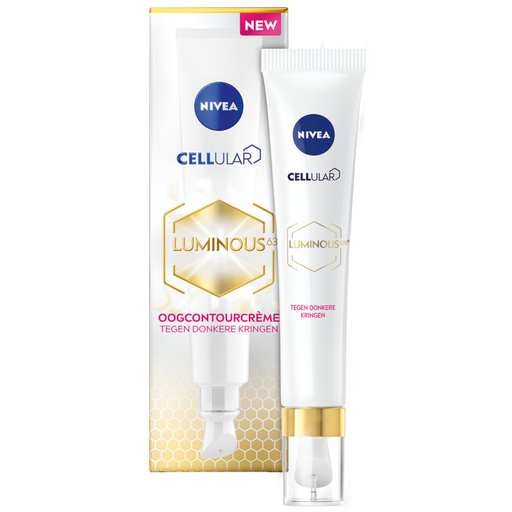
Why This Product: This eye cream from NIVEA primarily focuses on combating dark circles and puffiness. The formula contains the patented ingredient LUMINOUS630, which, according to the brand, balances pigmentation at a cellular level. This is combined with hyaluronic acid for hydration and caffeine to reduce puffiness. According to a NIVEA product use test with 41 women, results are visible within 4 weeks.
Benefits:
Who It's For: An excellent option for those who primarily struggle with dark circles and puffiness and are looking for an effective and affordable eye cream for dark circles. The addition of hyaluronic acid also makes it a good hydrating choice.
The products mentioned above primarily have a cream texture. For those who prefer a lighter, fast-absorbing formula, an Eye Gel can be an excellent alternative. Gels often feel refreshing and are ideal for morning use or for people with oilier skin.
1. When should you start using an anti-wrinkle eye cream? There's no set age, but many people start between their mid-20s and early 30s. From this age, the natural production of collagen and elastin slowly declines. Preventative hydration can help delay the first signs of ageing, such as dehydration lines.
2. Can I use my regular day cream around my eyes? It is generally not recommended. The skin around the eyes is significantly thinner and more sensitive than the rest of the face. Eye creams are specifically formulated with ingredients at concentrations that are safe and effective for this delicate area. Furthermore, they are often ophthalmologically tested to minimise the risk of irritation.
3. How do you apply eye cream correctly? Use a small amount, about the size of a grain of rice for both eyes. Apply the cream with your ring finger, as it exerts the least amount of pressure. Gently pat the cream along the orbital bone under your eye, from the inner to the outer corner. Avoid pulling or rubbing the skin.