
Vandaag of morgen in huis

Kwaliteit gegarandeerd
Download de app
Categorieën

Choosing an external SSD can feel like navigating a technical minefield. You're looking for speed and reliability, but you're bombarded with specifications. The wrong choice can lead to a slow workflow, compatibility issues, or worse, data loss. This guide will help you find the right portable SSD for your specific needs based on facts, not marketing jargon.
Focus on the following parameters to find a model that aligns with your requirements.
The speed of an external SSD is largely determined by its USB interface. Pay close attention to the specifications:
Please note: To achieve maximum speed, both the SSD and the USB port on your computer, console, or smartphone must support the USB 3.2 Gen 2x2 standard. A USB-C SSD is now the norm, but the underlying standard (Gen 2 or Gen 2x2) determines the actual speed.
The required capacity depends on your usage:
If you frequently travel with your SSD, build quality and size are important. A rugged SSD with an IP rating (dust and water resistance) and drop protection offers extra peace of mind. Compact, credit-card-sized models fit easily into your pocket or laptop bag.
Check if the SSD is compatible with your devices. Most modern SSDs work out of the box (plug-and-play) with Windows, macOS, and Linux. For use with an SSD for Mac, formatting to APFS is sometimes recommended for optimal performance. For the latest iPhones (15 and newer), an external SSD with USB-C is a game-changer for recording video directly.
Below are some recommendations, selected based on their specifications and use cases.
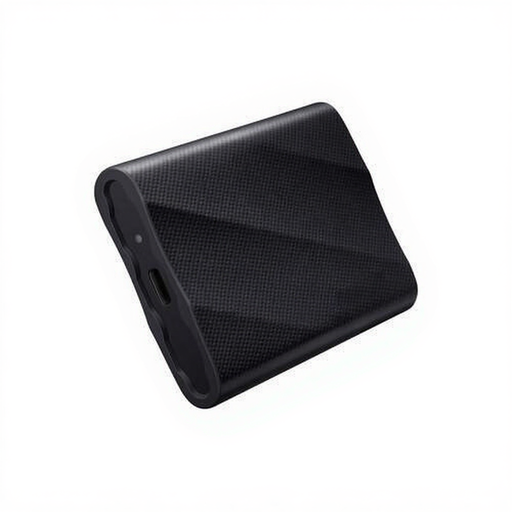
Why We Chose It The Samsung T9 combines extremely high speed with a generous 2 TB storage capacity. Thanks to its USB 3.2 Gen 2x2 interface, this SSD achieves read and write speeds of up to 2,000 MB/s and 1,950 MB/s, respectively. This makes the drive exceptionally well-suited for processing large files quickly.
Advantages
Who Is It For? This portable SSD is an excellent choice for content creators, IT professionals, and prosumers seeking a reliable and high-speed all-rounder for both backups and intensive workflows like video editing.
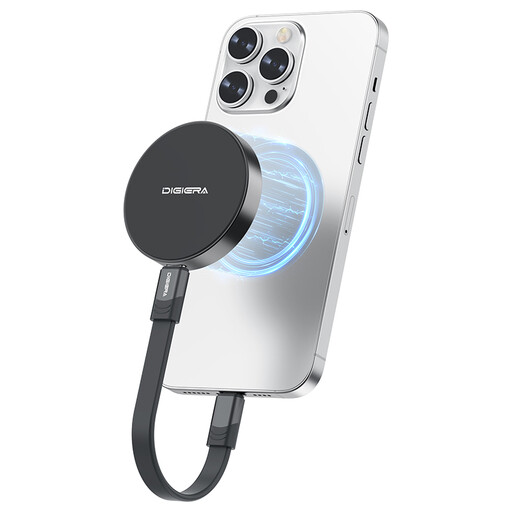
Why We Chose It The DigiEra LPS2000M-1 stands out with its magnetic attachment, specifically designed for the iPhone 15 and 16 series. This allows you to record 4K ProRes video directly onto the SSD. With USB 3.2 Gen 2x2 speeds of up to 2,000 MB/s, it's a powerful tool for mobile filmmakers.
Advantages
Who Is It For? This is the ideal external SSD for content creators who frequently film with their smartphone. The combination of speed, portability, and the magnetic feature provides a seamless workflow for on-location shoots.
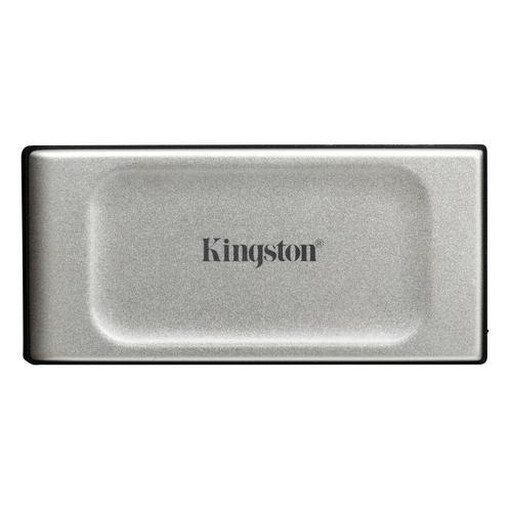
Why We Chose It The Kingston XS2000 is engineered for maximum portability and durability. Despite its extremely compact size, it delivers USB 3.2 Gen 2x2 performance with speeds up to 2,000 MB/s. The IP55 rating and included rubber sleeve make it resistant to water, dust, and drops.
Advantages
Who Is It For? This rugged SSD is perfect for adventurers, field workers, and anyone who needs an ultra-compact yet fast and durable storage solution on the go.
The right choice heavily depends on your specific requirements for capacity, speed, and budget. If the options above don't fully meet your needs, countless other models are available.
Browse our full assortment in the external drive storage category for more options.
1. What is the difference between an external SSD and an external HDD? An external SSD (Solid State Drive) has no moving parts, which makes it much faster, more durable, and more compact than a traditional external HDD (Hard Disk Drive). HDDs often offer more storage for a lower price but are significantly slower and more susceptible to shock.
2. Can I use an external SSD for my PS5? Yes, you can use an external SSD to expand your PS5's storage for PS4 games and to store PS5 games (though not play them directly). To play PS5 games directly from an expansion drive, you need an internal NVMe SSD that meets Sony's specifications. However, a fast external SSD is ideal for quickly transferring games.
3. Do I need a special cable for a fast external SSD? Yes, to utilize the maximum speed of a USB 3.2 Gen 2x2 SSD, you need a cable that supports this standard. The correct USB-C to USB-C cable is typically included. Also, ensure that the port on your computer or device supports this standard; otherwise, the speed will be limited to what the port can handle.