
Vandaag of morgen in huis

Kwaliteit gegarandeerd

Welkomstaanbiedingen ontgrendelen: GRATIS bezorging | Tot 80% korting | Gratis 30 dagen JoyPlus-proefperiode
Download de app
Do you often wake up with a stiff neck or sore shoulders? You're not alone. The wrong pillow can significantly disrupt your sleep and cause discomfort. An ergonomic pillow is designed to keep your head, neck, and spine in a neutral position, which can contribute to deeper sleep and less pain.
The market is flooded with options, from memory foam pillows to orthopaedic pillows. It can be challenging to determine which pillow is truly right for you. This guide is designed to help. We'll highlight the most important specifications and provide practical tips, so you can make an informed choice for a pillow that matches your sleeping habits.
Before you make a choice, it's important to consider a few key factors. The right pillow is highly personal and depends on your body and sleeping style.
The way you sleep is the most critical factor when choosing a pillow. A good pillow fills the space between your head and the mattress, keeping your spine straight.
The pillow's material determines its comfort, support, and lifespan.
Some pillows offer extra features that can improve your sleep experience. If you tend to get hot at night, a cooling pillow with gel pads or a breathable cover can be a game-changer. Pillows with a special shape, such as a butterfly or a contoured wave design, are specifically engineered to provide extra neck support.
Based on product specifications and popular features, we have selected several pillows that cater to different needs and sleeping styles.
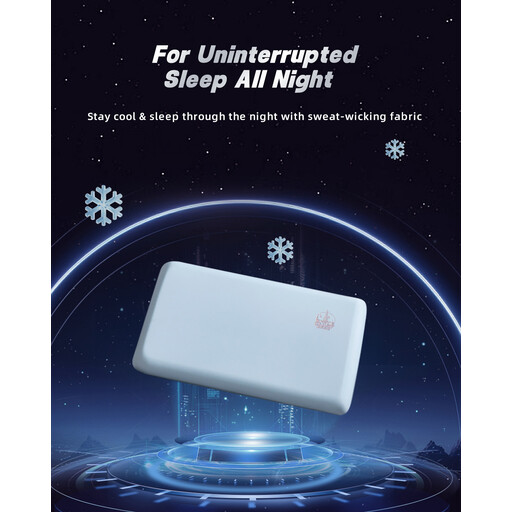
Why It Stands Out This pillow from MENDALE is designed with versatility in mind. The manufacturer states that it is suitable for side, back, and stomach sleepers thanks to its ergonomic shape and memory foam material. The Queen Size dimension (42x70 cm) provides a generous sleeping surface.
Benefits
Who Is It For? For those seeking an all-round ergonomic pillow who want to experience the benefits of memory foam, regardless of their preferred sleeping position.

Why It Stands Out The Lucovitaal pillow combines an orthopaedic memory foam filling with a bamboo cover. According to the manufacturer, PK Benelux BV, the breathable bamboo fibres ensure natural heat dissipation, making the pillow feel cool and comfortable.
Benefits
Who Is It For? For sleepers who tend to get hot and are looking for a cooling pillow with the supportive properties of memory foam.
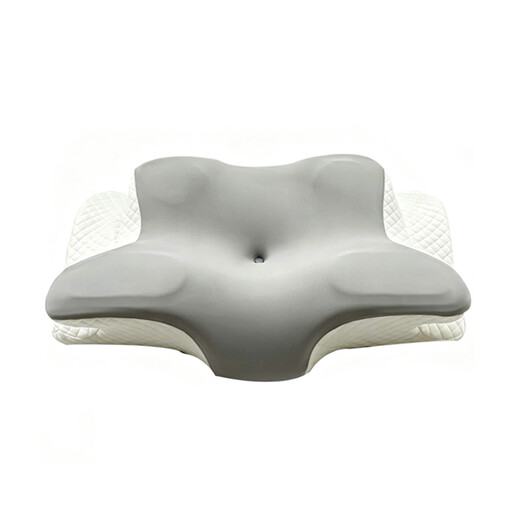
Why It Stands Out The unique butterfly shape of this JORDAN&JUDY pillow is specially designed to cradle the neck and shoulders. The cut-outs on the sides provide space for your arms, making it an interesting pillow for side sleepers. The "slow rebound" memory foam adapts slowly for stable support.
Benefits
Who Is It For? Primarily for back and side sleepers who seek extra support in the hollow of their neck and prefer a pillow with a specific, contoured structure.
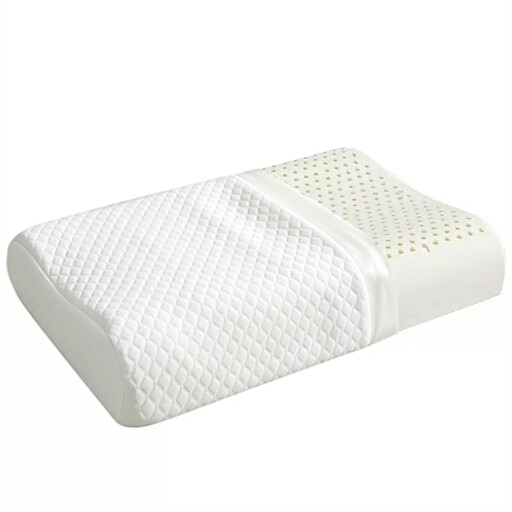
Why It Stands Out This pillow from JORDAN&JUDY is made from high-resilience latex. Unlike memory foam, which sinks and conforms, latex provides more active counter-pressure. This ensures stable and consistent support throughout the night.
Benefits
Who Is It For? For those who prefer a firmer and more resilient pillow over the "sinking" feeling of memory foam. It's a great option for anyone looking for a durable cervical support pillow.
Comfort doesn't stop at the bedroom. For relaxing in the living room or on the patio, the right support is just as important. If you're looking for cushions for your furniture, check out our selection of beige lounge chair cushions for more daytime comfort.
The terms are often used interchangeably. An ergonomic pillow is designed with the human body's structure in mind to promote a healthy posture. An orthopaedic pillow is specifically aimed at correcting or supporting the body to alleviate or prevent medical issues, such as neck pain. In practice, their features overlap significantly.
A simple check: lie down in your favourite sleeping position. Ask someone to check if your spine, from your tailbone to your neck, forms a straight line. If your head is pushed upwards, your pillow is too high. If it sinks downwards, it's too low. Waking up with neck or shoulder pain is also a clear sign.
The lifespan of a memory foam pillow depends on the quality and density of the foam. Generally, it is recommended to replace a memory foam pillow every 2 to 3 years. You'll know it's time for a replacement when the pillow no longer holds its shape, has permanent indentations, or loses its supportive qualities.
A good pillow is an investment in your well-being. We hope this guide helps you make the right choice for a comfortable and pain-free night's sleep.
Joybuy Product Recommendation Officer
