
Vandaag of morgen in huis

Kwaliteit gegarandeerd

Welkomstaanbiedingen ontgrendelen: GRATIS bezorging | Tot 80% korting | Gratis 30 dagen JoyPlus-proefperiode
Download de app
As a new parent, you want to keep your baby close, but you also need your hands free for a thousand other things. An ergonomic baby carrier is a lifesaver. It offers security for your child and freedom for you. But the search for the right one can be overwhelming. Which one is comfortable for your back? And more importantly, which one is safe and promotes healthy hip development for your baby?
In this article, we'll guide you through the process. We'll provide practical tips and highlight some popular choices, so you can make an informed decision that suits both you and your child.
Before we dive into the products, here are a few key points to help you choose.
A good ergonomic carrier supports your baby's natural posture. Look for the M-position, also known as the 'frog-leg' position. This means your baby's knees are higher than their bottom, which is essential for healthy hip development. Your baby's back should be able to maintain a natural, gentle curve (C-shape).
For you as the wearer, comfort is just as important. A carrier that doesn't distribute weight properly can lead to back pain. Look for models with wide, padded shoulder straps and a sturdy waistband. This combination helps to distribute your baby's weight evenly across your shoulders, back, and hips.
The material largely determines comfort. Cotton is soft and breathable, ideal for general use. If it gets warmer or you plan to use the carrier in the summer, consider a breathable carrier made of mesh fabric. This provides better air circulation and keeps both you and your baby cooler. A lightweight carrier is also great for longer walks or for taking with you when you travel.
Not every carrier for a newborn is suitable for a toddler, and vice versa. Some models grow with your child and offer various carrying positions. A front carrier where the baby faces you is perfect for the first few months. Later, you might want to carry your child on your back or facing forward. A carrier with a hip seat can provide extra support for heavier children and makes it easier to quickly carry your child on your hip.
Below is a selection of baby carriers that stand out for their specific features and design.
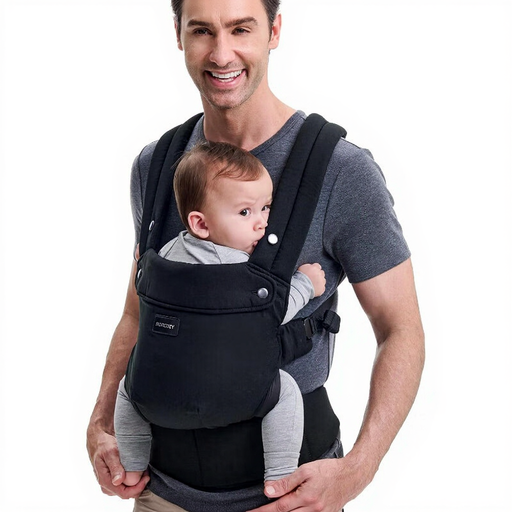
Why It Stands Out This Momcozy carrier is made from 100% pure cotton, making it soft and comfortable for a baby's sensitive skin. The design focuses on simplicity and ergonomics. The M-shaped cut supports the baby's hips, while a built-in EVA panel provides extra lumbar support for the parent.
Key Features
Who Is It For? For parents seeking a straightforward, comfortable, and lightweight cotton carrier for daily use. It's a practical choice that grows with your child from baby to toddler and is also a popular gift for a new mother.
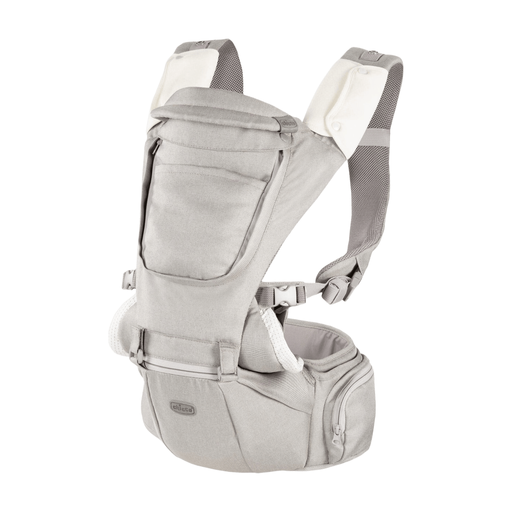
Why It Stands Out The Chicco Hip Seat is a multifunctional 3-in-1 system. It consists of a detachable carrier with a hip seat and a traditional carrier. You can use the components together or separately, providing exceptional flexibility. The sturdy base of the hip seat ensures a natural sitting position and optimally distributes weight across the parent's hips.
Key Features
Who Is It For? For parents looking for an all-in-one solution that offers maximum flexibility, from the newborn phase well into the toddler years. Ideal if you want to try out different carrying methods.
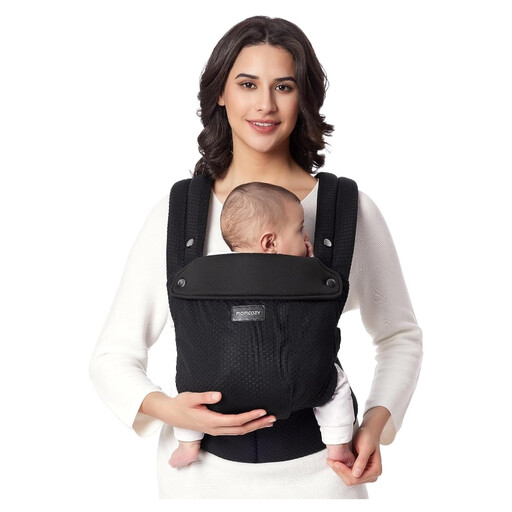
Why It Stands Out This version of the Momcozy carrier is specially designed for warm weather. The large Air Mesh panel and cooling fabric in the neck area ensure maximum air circulation. This keeps both you and your baby comfortable, even on warmer days.
Key Features
Who Is It For? For active parents or families living in a warmer climate. If you plan to be outdoors a lot in the spring and summer, this baby carrier offers the added comfort of breathable material.
The right baby carrier depends heavily on your personal situation and your child's age. Are you specifically looking for a model for a slightly older child? There are carriers specially designed to comfortably support the weight of a toddler.
Check out our full range of toddler carriers for more choices.
1. From what age can a baby be in an ergonomic carrier? This varies by model. Many carriers are suitable from birth (usually from a minimum weight of around 3.2 kg), provided they offer adequate neck and head support. Always check the manufacturer's specifications. For a newborn carrier, it is crucial that the baby is well-supported and doesn't 'slump' inside the carrier.
2. How do I know if a carrier is truly ergonomic for my baby? An ergonomic carrier supports the natural 'frog-leg' or M-position: your baby's knees are higher than their bottom, and their legs are spread. Additionally, the baby's back should be able to maintain its natural curve (C-shape). The fabric should provide support from one knee pit to the other.
3. Is a baby carrier better than a sling or wrap? There is no 'better' option; it's a matter of preference. A carrier is often quicker and easier to put on thanks to its buckles and pre-formed structure. A sling or wrap, on the other hand, offers more flexibility in tying methods and can feel even cosier for a newborn. The choice depends on what you find most convenient for daily use.
