
Vandaag of morgen in huis

Kwaliteit gegarandeerd

Welkomstaanbiedingen ontgrendelen: GRATIS bezorging | Tot 80% korting | Gratis 30 dagen JoyPlus-proefperiode
Download de app
Whether you're facing a long night of studying, need an extra push at the gym, or want to stay focused during a crucial workday, an energy drink can be the solution. But the market is flooded with options, and not all are created equal. Many brands make promises they can't keep, leading to a disappointing experience and wasted money. As a Joybuy Product Recommendation Officer, I'm here to help you make the right choices, based on facts instead of marketing fluff.
Before you stock up on a case of energy drinks, it's wise to consider a few common pitfalls:
To avoid a bad purchase, it's smart to examine the specifications on the label. These three points are crucial for finding the right energy drink for your needs.
The most important choice you'll make is between a sugared energy drink and a sugar-free energy drink.
Caffeine is the main ingredient responsible for the stimulating effect. The amount varies by brand and product. A 250 ml can typically contains between 80 and 100 mg of caffeine, comparable to a strong cup of filter coffee.
Besides caffeine, many energy drinks contain extra ingredients. Here are the most common ones:
Pay attention to the quantities. A product with a relevant dosage of these substances offers more value than one where they are added merely for marketing purposes.
Based on objective product specifications, we have selected several options that suit different user profiles.
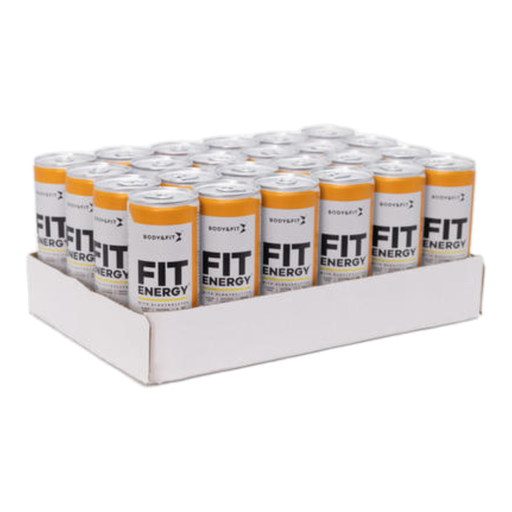
Why This Fits Their Persona: Ideal for athletes looking for more than just caffeine. This drink is designed as a functional boost for before or after training, with a focus on muscle support and hydration.
It's completely sugar-free, so you avoid the sugar crash. The functional ingredients like BCAAs and magnesium are present in relevant amounts, not just for show.
Contains 100 mg of caffeine, 2000 mg of BCAAs, and 70 mg of magnesium per can. A complete formula for energy for sports.
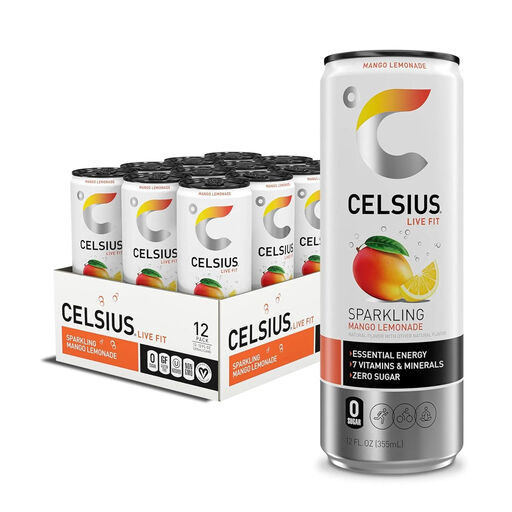
Why This Fits Their Persona: For students and professionals who need long-lasting, stable focus. Celsius positions itself with a blend of vitamins and plant extracts for energy without the downsides of sugar.
This drink is completely sugar-free, preventing the dreaded sugar dip. It provides a clear energy boost that is ideal for mental tasks, rather than a restless, physical jolt.
Contains a range of B vitamins and extracts from guarana, green tea, and ginger. The flavour is refreshing and not overly sweet.
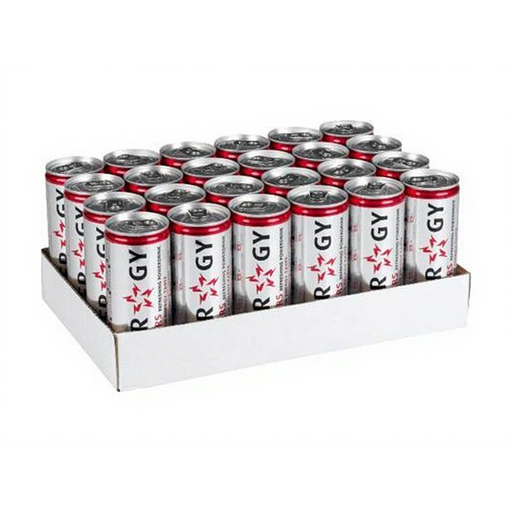
Why This Fits Their Persona: For those looking for a reliable and affordable energy boost. Perfect for stocking up without paying a premium. A no-nonsense choice for regular use.
This is a classic energy drink. You know what you're getting: an instant energy boost. It makes no vague claims about health benefits but simply delivers what you expect from an energy drink.
The value for money is excellent. By buying a case of energy drinks, you're guaranteed a good energy drink deal and will always have a can on hand.
We have compiled a complete, up-to-date list of products that meet these strict selection criteria.
While both are intended to provide energy, there is a clear distinction. A pre-workout drink is specifically designed for use before an intense training session. These often contain higher concentrations of caffeine and other ingredients like beta-alanine and citrulline, aimed at enhancing athletic performance. Energy drinks are more for general use, such as improving alertness and focus throughout the day.
Health authorities generally advise adults not to consume more than 400 milligrams of caffeine per day. For most energy drinks (with approx. 80 mg per 250 ml), this equates to a maximum of five cans. However, it is wise to consume them in moderation. Every can includes a warning, such as "high caffeine content," and a recommendation not to mix the product with alcohol. Always read the label for specific recommendations.
For most people, yes. A sugar-free energy drink delivers the desired energy boost from caffeine without the extra calories and the inevitable sugar crash. This makes them a more suitable choice for sustained concentration, weight management, and avoiding an energy dip. The choice remains personal and depends on your taste preference and energy goals.
