
Vandaag of morgen in huis

Kwaliteit gegarandeerd

Welkomstaanbiedingen ontgrendelen: GRATIS bezorging | Tot 80% korting | Gratis 30 dagen JoyPlus-proefperiode
Download de app
Whether you're studying late, facing a work deadline, or need to maintain focus while gaming, an energy drink can provide that much-needed boost. But the market for caffeinated drinks is vast and confusing. Before you add a random can or a multipack to your basket, it's wise to know what to look for. Many products tempt you with flashy promises that don't always justify their high price.
As a Product Recommendation Officer at Joybuy, I see how consumers are influenced by marketing every day. Let's break down the most common pitfalls when buying energy drinks.
By understanding these points, you can make a better choice that suits your budget and lifestyle.
You don't need to be a label expert to make a smart choice. Focus on a few key specifications to determine if an energy drink is right for you.
Most energy drinks in the Netherlands, like those from popular brands such as Red Bull, Monster, and Bullit, contain a standardised amount of caffeine: 32 mg per 100 ml. A standard 250 ml can therefore contains 80 mg of caffeine, which is comparable to an average cup of filter coffee. This is the main active ingredient. Pay attention to the can size; a larger 500 ml can will naturally contain double the amount of caffeine. Nutrition authorities advise adults not to consume more than 400 mg of caffeine per day.
The classic energy drink gets its quick energy boost partly from sugar, often around 11 grams per 100 ml. This provides fast energy, but also adds about 45 kcal per 100 ml. For those looking to avoid this, there is a growing range of sugar-free energy drinks. These versions use sweeteners like sucralose and acesulfame-K, meaning they contain virtually no calories (often just 3 kcal per 100 ml). Brands like Celsius and the sugar-free lines from Red Bull are excellent examples of this.
Besides caffeine and sugar (or sweeteners), many energy drinks contain taurine and a mix of B-vitamins (like niacin, B6, and B12). Manufacturers often state that these vitamins contribute to the reduction of tiredness and support a normal energy-yielding metabolism. While these ingredients are standard in most formulas, it's the caffeine that provides the immediately noticeable effect.
Based on these objective specifications, we have matched several popular choices to different user profiles.
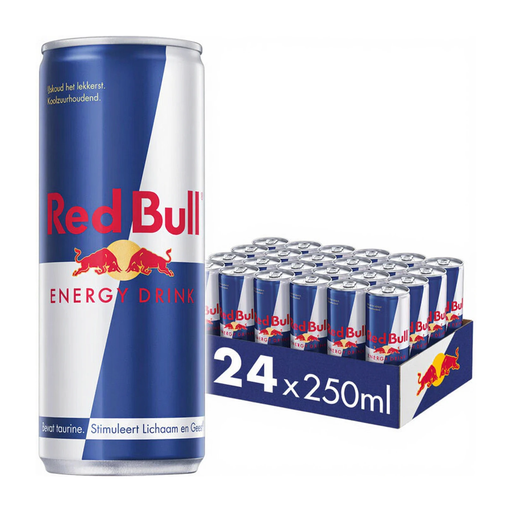
Why This Fits Their Persona: Ideal for students and gamers who regularly grab a can and want to plan ahead. By buying a case of energy drinks, you always have a supply and the cost per can is significantly lower.
Directly tackles the problem of "paying too much for single cans." A good bulk deal on Red Bull is the most cost-effective way to enjoy this drink.
The classic, trusted formula and taste. Contains 32 mg/100 ml of caffeine and B-vitamins.
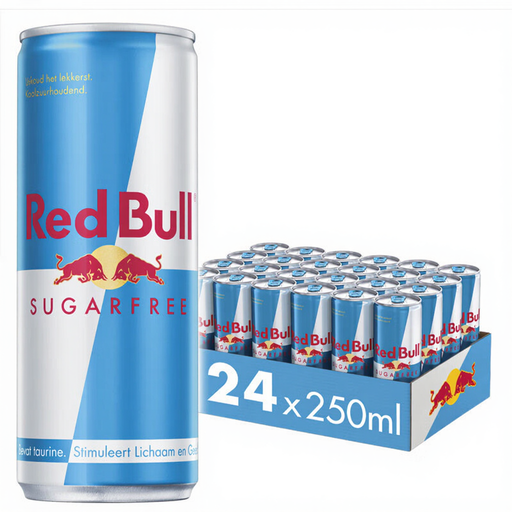
Why This Fits Their Persona: Perfect for athletes, professionals, and anyone monitoring their sugar and calorie intake. It offers the functional benefits without the sugar.
This is a clear-cut sugar-free energy drink that completely sidesteps the "hidden sugar bomb" pitfall. You know exactly what you're getting: caffeine without the sugar.
Contains only 3 kcal per 100 ml. Offers the same amount of caffeine (32 mg/100 ml) and B-vitamins as the original version.
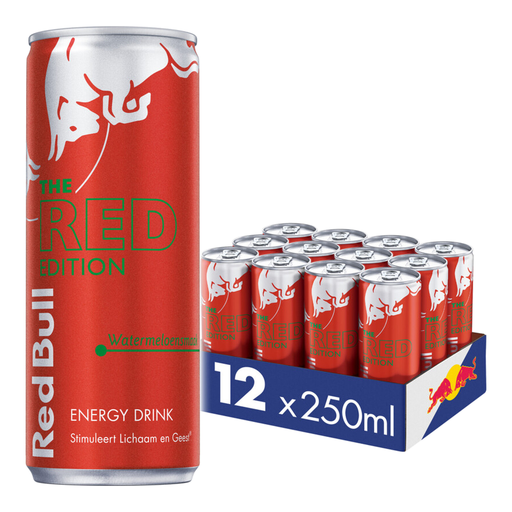
Why This Fits Their Persona: For those who are tired of the standard energy drink taste and are looking for variety. The different "Editions" offer a distinct and refreshing flavour experience.
Instead of vague "tropical" or "exotic" marketing, this product offers a specific flavour: watermelon. You're paying for a distinct flavour variant, not for hype.
Combines the trusted functional ingredients of Red Bull with a refreshing and distinct watermelon taste.
We have compiled a complete, real-time list of products that fully satisfy these strict selection criteria and UK safety regulations.
The amount considered safe depends on personal tolerance. General advice from nutrition authorities suggests a maximum of 400 milligrams of caffeine per day for a healthy adult. A standard 250 ml can of energy drink contains 80 mg of caffeine. This means the limit is around five such cans. It is always wise to read the recommendations on the packaging and consume in moderation.
No, there is a key functional difference. Energy drinks are designed to provide a mental and physical boost, primarily through caffeine. They are popular for moments that require concentration. Sports drinks, such as AA Drink High Energy, are formulated to replenish fluids, salts (electrolytes), and carbohydrates lost during intense physical exertion. They typically do not contain caffeine.
The main reason is cost savings. When you buy a case of energy drinks, the price per can is significantly lower than when you buy them individually. It's also practical: you always have a supply at home for those moments when you need an extra boost, and you don't have to keep running to the shop. Especially if you drink energy drinks regularly, this is the most economical choice.
