Making the switch to an electric toothbrush, or upgrading your current model, can feel like a daunting task. The market is saturated with terms like sonic, rotating, cleaning modes, and pressure sensors. It's easy to make the wrong choice. This guide will help you understand the specifications and find a model that fits your personal needs, without any unnecessary extras.
What Should You Look for When Choosing?
An electric toothbrush is a personal care device. The right choice depends on your teeth, brushing habits, and budget. Here are the key parameters to consider.
Brushing Technology: Sonic vs. Rotating-Oscillating
This is the most fundamental choice. Both technologies are designed to remove plaque more effectively than a manual toothbrush, but they work differently.
- Rotating-Oscillating: The (usually round) brush head makes a rotating and back-and-forth motion. Brands like Oral-B use this technology extensively. This technique is focused on 'polishing' away plaque, tooth by tooth.
- Sonic: The (usually elongated) brush head vibrates at a very high frequency, up to 40,000 movements per minute. This creates fluid dynamics in the mouth, pushing water and toothpaste into hard-to-reach areas.
There is no single 'better' technology; the choice is often a matter of personal preference. Some users find the sonic motion gentler, while others prefer the polishing action of a rotating brush.
Essential Features
Modern toothbrushes offer a variety of features. These are the most practical ones:
- Toothbrush with a timer: Almost all electric models have a built-in two-minute timer, the brushing time recommended by dentists. A quadrant timer is a useful addition: every 30 seconds, the brush signals you to switch to a different corner of your mouth.
- Toothbrush with a pressure sensor: Applying too much pressure while brushing can damage your gums and enamel. A pressure sensor warns you with a light signal, vibration, or by automatically reducing the brushing speed. This is a valuable feature, especially for beginners or people with sensitive gums.
- Cleaning modes: Many models offer different modes, such as 'Daily Clean', 'White', 'Sensitive', or 'Gum Care'. While one good standard mode is sufficient, specific modes can be useful if, for example, you have sensitive gums or want to focus on polishing your teeth.
- Battery life: A rechargeable toothbrush is standard, but battery life varies greatly. Some models last for two weeks, while others can function for up to 60 days on a single charge. This is an important factor if you travel often or don't want to leave the charger in the bathroom constantly.
Our Top Picks for 2026
Based on the criteria above, we have selected a range of models with different specifications for various user profiles.
1. Lachen H9 Electric Toothbrush – White
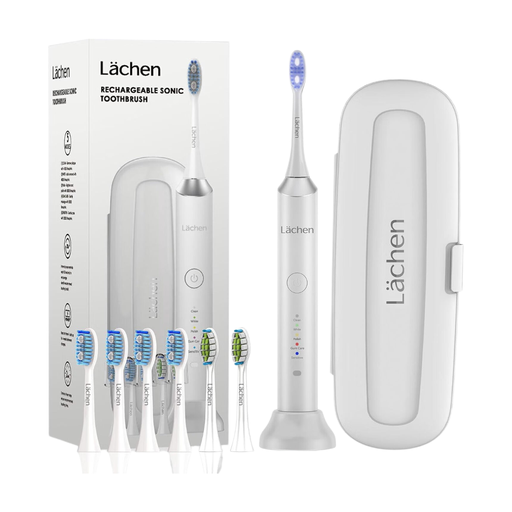
- Why We Chose It: This model combines a very long battery life with a comprehensive accessory package, including six brush heads and a travel case. Its sonic technology and five cleaning modes offer great versatility.
- Key Features:
- Brushing Technology: Sonic (40,000 vibrations per minute).
- Battery Life: Up to 60 days on a single charge via an inductive USB station.
- Cleaning Modes: Five modes (Clean, White, Polish, Gum Care, Sensitive).
- Extras: Includes 6 brush heads and a travel case.
- Water Resistance: IPX7 rating, making it safe to rinse.
- Who It's For: The user looking for a complete package with an exceptionally long battery life, ideal for both home use and travel.
2. Oral-B iO Series 2 Night Black
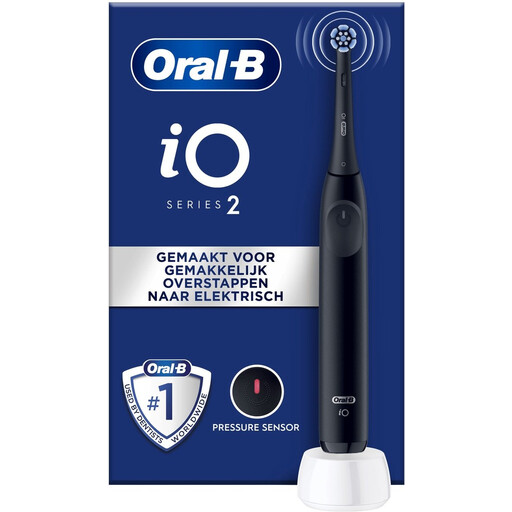
- Why We Chose It: The Oral-B iO 2 uses the brand's 3D magnetic brushing technology, which combines rotation, vibration, and pulsation. The smart pressure sensor with a light signal is a core feature that protects the gums.
- Key Features:
- Brushing Technology: 3D Magnetic (rotating, vibrating, pulsating) with 17,400 movements per minute.
- Pressure Sensor: Yes, with a red light signal for excessive pressure.
- Cleaning Modes: Three intensity settings (extra gentle, gentle, daily clean).
- Timer: Built-in 2-minute timer with a 30-second quadrant indicator.
- Who It's For: Users who prefer a round, rotating brush head and want extra protection for their gums via the visual pressure sensor. A solid choice for those switching from a manual toothbrush.
3. Lachen T8 Electric Toothbrush – Pink
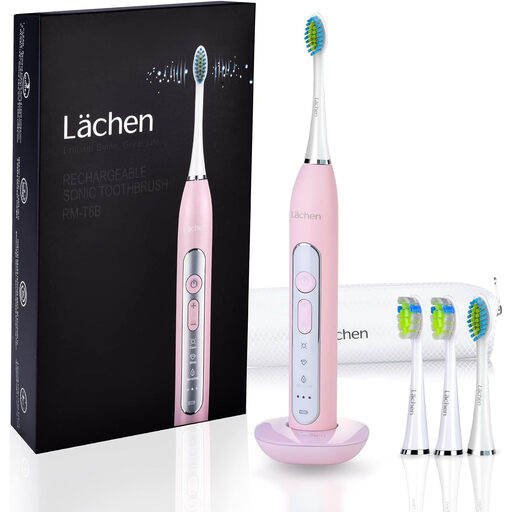
- Why We Chose It: This model stands out for its high degree of personalisation, offering nine different brushing options (three modes, each with three intensity levels). The fast charging time and long battery life make it a flexible choice.
- Key Features:
- Brushing Technology: Sonic.
- Cleaning Modes: Nine customisable options (3 modes x 3 intensities).
- Battery: Fast 3-hour charge for up to 60 days of use.
- Features: 2-minute timer, memory function for the last-used mode.
- Water Resistance: IPX7 rating.
- Who It's For: The user who wants full control over their brushing experience and wishes to fine-tune the intensity to their exact preference.
Haven't Found What You're Looking For?
The right electric toothbrush is highly dependent on personal preference. If the models above don't fully meet your needs, or if you're looking for other specifications like app connectivity or specific brush heads, you can browse our full range.
Explore All Our Electric Oral Care Products
Frequently Asked Questions
1. What is the difference between a sonic and a rotating toothbrush? A rotating toothbrush has a round head that spins and oscillates to physically sweep away plaque. A sonic toothbrush has an elongated head that vibrates at high speed, driving water and toothpaste between teeth and below the gumline. The choice is personal and depends on what you find more comfortable.
2. Is an electric toothbrush suitable for sensitive gums? Yes, many electric toothbrushes are actually very suitable for sensitive gums. Choose a model with a pressure sensor to prevent you from brushing too hard. Additionally, many brushes offer a special 'Sensitive' or 'Gum Care' mode with lower intensity. A sonic toothbrush is perceived as gentler by some users.
3. How often should I replace the brush head? Dentists and manufacturers recommend replacing the brush head every three months. The bristles wear out, which reduces brushing effectiveness. Some brush heads have indicator bristles that fade to signal when it's time for a replacement.
Author: Joybuy Product Recommendation Officer
Disclaimer: This article has been compiled based on publicly available product parameters and specifications to help you make an informed choice. The recommendations are based on the objective features of the products.