
Vandaag of morgen in huis

Kwaliteit gegarandeerd

Welkomstaanbiedingen ontgrendelen: GRATIS bezorging | Tot 80% korting | Gratis 30 dagen JoyPlus-proefperiode
Download de app
Making the switch from a manual to an electric toothbrush feels like a logical step towards better oral care. However, the market is flooded with models that promise to make your smile whiter than white and offer features you might never use. As a Joybuy Product Recommendation Officer, I see consumers get tangled in marketing claims every day. Let's cut through the noise and focus on what really matters, so you can make a purchase that actually benefits your dental health.
Before you pull out your wallet, here are the three most common pitfalls:
To avoid a bad purchase, it's best to focus on the specifications that directly contribute to cleaner teeth and a better brushing experience.
Two features are not luxuries, but necessities. A toothbrush with a timer ensures you brush for the dentist-recommended two minutes, often with a signal every 30 seconds to switch quadrants. This guarantees an even clean.
An electric toothbrush with a pressure sensor is perhaps the most important innovation. Brushing too hard is a common problem that can damage gums and cause tooth erosion. The sensor alerts you with a light or vibration, allowing you to adjust your technique immediately. This protects your teeth from irreversible damage.
Most electric toothbrushes fall into two categories: rotating-oscillating (the brush head spins and pulsates) and sonic. A sonic toothbrush vibrates at a very high frequency (tens of thousands of movements per minute). These vibrations create dynamic fluid action that drives toothpaste and saliva deep between teeth and below the gumline. Many users find this to be a thorough yet gentle clean, making it a popular choice.
A rechargeable toothbrush is standard, but charging methods and battery duration vary enormously. For daily use, a two-week battery life is perfectly fine. However, if you travel often, a travel-friendly toothbrush with a battery life of several months and a USB-C charging port is far more practical than a model with its own proprietary, bulky charger.
The right toothbrush is a personal choice. Below are several models suited to different needs, based on their objective specifications.
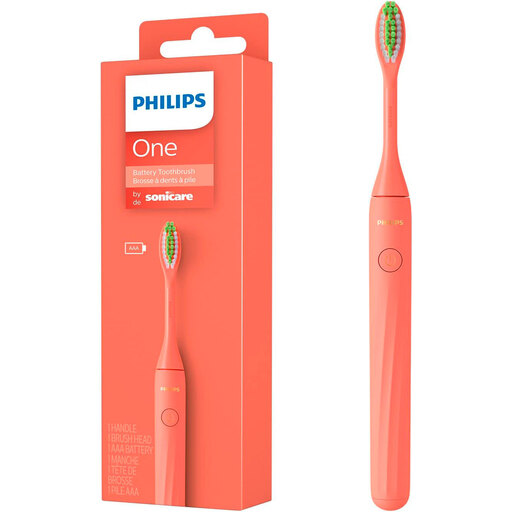
Why This Fits Their Persona: This model is a perfect first step into the world of sonic brushing. It combines the familiar shape of a manual toothbrush with the effectiveness of micro-vibrations, without an overwhelming number of complex features. Ideal for those looking to upgrade without a major investment.
It avoids the pitfall of overpaying for unused features. It focuses on the essentials: sonic cleaning and a timer. The AAA battery power source bypasses concerns about a deteriorating rechargeable battery.
Lightweight and compact design, ideal for home and travel. The battery lasts up to 90 days, which is exceptional for a battery-operated model. Includes a 2-minute timer.
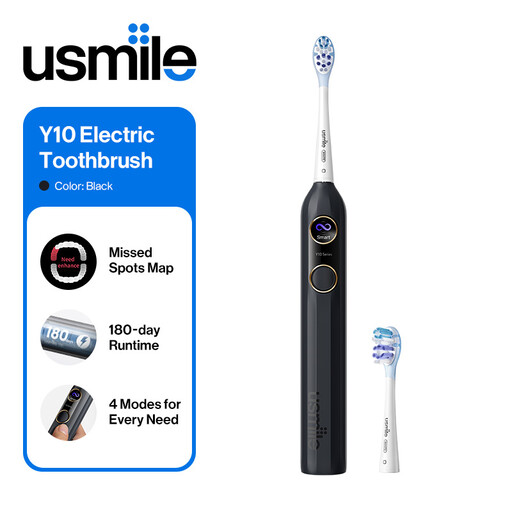
Why This Fits Their Persona: For those who travel a lot or simply hate charging, this model is a game-changer. The combination of an extremely long battery life and charging via the universal USB-C standard makes it the ultimate travel companion.
This model tackles the 'battery life myth' head-on. According to the manufacturer, usmile, the battery lasts up to 180 days on a single charge. This eliminates the frustration of a dead toothbrush at an inconvenient time.
Extremely long battery life (up to 180 days), USB-C charging, and a built-in pressure sensor. The smart screen provides visual feedback on missed zones, a feature that adds real value for the data-driven user.
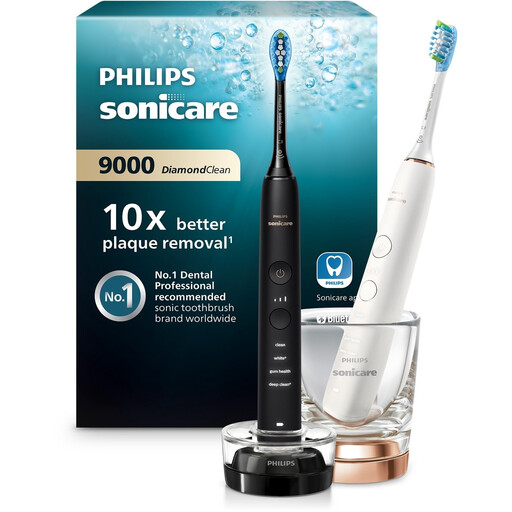
Why This Fits Their Persona: For the user who takes their oral care seriously and wants to optimise it with technology. This model from Philips Sonicare offers detailed feedback via an app, multiple brushing modes, and intensity levels for a fully personalised brushing experience.
Although this is a 'smart' model, its features are practical and purposeful. The app provides progress reports, and the pressure sensor prevents damage. For those willing to use the app, it's not a gimmick but a useful tool.
Four brushing modes and three intensities, a built-in pressure sensor, and BrushSync technology that automatically selects the right mode for the brush head. The app guidance helps improve brushing habits.
We have compiled a complete, up-to-date list of products that fully meet these strict selection criteria and safety regulations.
The general recommendation from manufacturers and dentists is to replace the brush head every three months. You should also do this sooner if the bristles are visibly frayed or bent. Worn brushes clean less effectively and can irritate your gums.
Absolutely. An electric toothbrush can actually be beneficial. Choose a model with a special mode for sensitive gums ('Sensitive' or 'Gum Care') and, more importantly, a pressure sensor. This sensor helps prevent you from pressing too hard, which is the main cause of irritation.
A sonic toothbrush has an elongated brush head that vibrates back and forth at high speed. A rotating toothbrush has a small, round head that spins rapidly and often pulsates as well. Both technologies are effective at removing plaque. The choice is often personal: some people prefer the vibrations of a sonic model, while others prefer the polishing sensation of a rotating brush.
