
Vandaag of morgen in huis

Kwaliteit gegarandeerd
Download de app
Categorieën

Switching from a manual to an electric toothbrush can be a significant upgrade for your oral care routine. However, the market presents an overwhelming array of choices. Models differ in brushing technology, number of modes, battery life, and smart features. It's easy to make the wrong choice, leading to a toothbrush that doesn't align with your needs or is unnecessarily expensive.
This article provides a factual overview of the key specifications you should consider. We highlight several models based on their technical features and functionalities, enabling you to make an informed decision.
Before we examine specific products, it's helpful to understand the most important parameters. These criteria will help you compare models objectively.
The two dominant technologies are sonic and rotary.
The choice is personal; both technologies are designed for effective plaque removal. The models in this overview use sonic technology.
Below is a selection of three electric toothbrushes, analysed based on their specifications and functionalities.
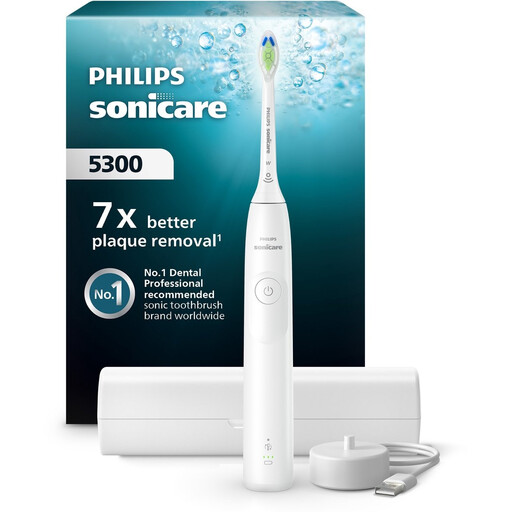
Why This Product The Philips Sonicare 5300 Series is a model that focuses on core functionalities with smart support. The device features a pressure sensor and BrushSync technology, which indicates when the brush head needs replacing. With 31,000 brush movements per minute and two intensity levels, it offers a customisable brushing experience.
Pros
Who Is It For? This model is suitable for users who value the reliability of a well-known brand and are looking for smart, supportive features without an overload of options. The included travel case makes it a practical choice for on the go.
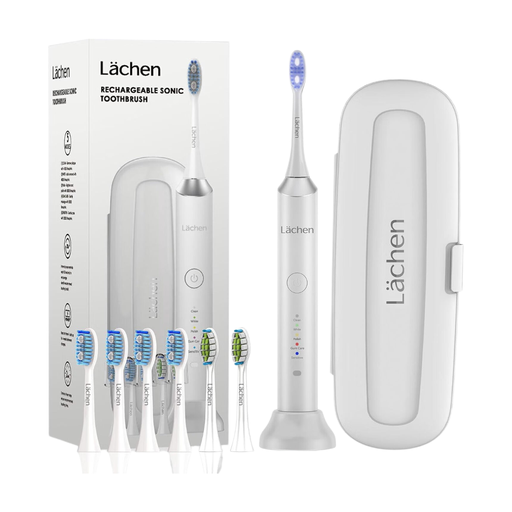
Why This Product The Lachen H9 stands out with its comprehensive package and exceptional battery life. With 40,000 vibrations per minute and five different brushing modes, this model offers great versatility. The battery lasts up to 60 days on a single charge, making it ideal for travellers. The package also includes six brush heads and a travel case.
Pros
Who Is It For? This toothbrush is an interesting option for users seeking excellent value for money. The long battery life and complete package make it a highly practical choice for both home use and for people who travel frequently.
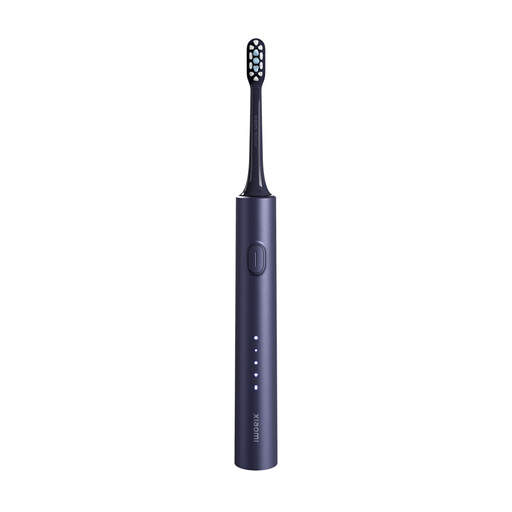
Why This Product The Xiaomi T302 combines modern technology with user-friendliness. The device fully charges in about 4 hours and offers an impressive battery life: 65 days in standard mode and up to 150 days in gentle mode. With four brushing modes, including a specific mode for gum massage, it is a versatile device. The IPX8 waterproof rating means it is fully washable.
Pros
Who Is It For? The Xiaomi T302 is a great match for the tech-savvy user who values efficiency and long battery life. The fast-charging feature and high waterproof rating make it a robust and practical toothbrush for daily use.
The models above are just a sample of the available selection. Every set of teeth is different, and your personal preferences are key. Are you looking for a model with different specifications, in another price range, or do you simply want to compare more options?
Browse our full range of sonic toothbrushes for a broader overview.
1. How often should I replace the brush head on my electric toothbrush? Most manufacturers, including Philips and Xiaomi, recommend replacing the brush head every three months. Worn-out bristles clean less effectively. Some toothbrushes, like the Philips Sonicare 5300, have an indicator that tells you when it's time for a replacement.
2. Is a sonic toothbrush better than a rotary one? There is no definitive answer as to which technology is "better." Both are designed to remove plaque more effectively than a manual toothbrush. The choice depends on personal preference. Sonic brushes feel like a rapid vibration, while rotary brushes create a rotating, scrubbing motion.
3. Can I use an electric toothbrush if I have sensitive gums? Yes, you can. Many electric toothbrushes, such as the Lachen H9 and Xiaomi T302, have a special 'Sensitive' or 'Soft' mode with lower intensity. A model with a pressure sensor is also recommended, as it will warn you if you apply too much pressure, which can help protect your gums.