
Vandaag of morgen in huis

Kwaliteit gegarandeerd

Welkomstaanbiedingen ontgrendelen: GRATIS bezorging | Tot 80% korting | Gratis 30 dagen JoyPlus-proefperiode
Download de app
Switching to an electric toothbrush feels like a logical step towards better oral hygiene. But the market is flooded with models vying for your attention with promises of whiter teeth, smart apps, and countless brushing modes. How do you know what you actually need versus what's just marketing fluff?
As a Joybuy Product Recommendation Officer, I sift through product information daily. I see where consumers spend unnecessarily. Before you make a choice, it's wise to be aware of a few common pitfalls.
toothbrush with an app sounds advanced, but many users stop using the app after a few weeks. You end up paying extra for a feature that doesn't become part of your daily routine.replacement heads are a recurring expense. Some proprietary brush heads are pricey and not widely available, which can add up significantly in the long run.To avoid buyer's remorse, it's best to focus on the specifications that truly matter. These are the three key factors that determine the brushing experience and results.
This is the most fundamental choice. There is no single 'better' technology; it's a matter of personal preference.
Philips Sonicare, feature an oval, elongated brush head similar to a manual toothbrush. The head makes rapid vibrating movements (up to 62,000 per minute). This creates a sweeping motion that removes plaque and drives fluid between teeth for a deep clean. Many people find this beneficial for gum health.Oral-B are known for their small, round brush heads. These perform a rotating and often pulsating motion (oscillating-rotating). The brush head envelops each tooth individually to polish away plaque. This provides a distinct polishing sensation.Brushing too hard is one of the leading causes of receding gums and enamel damage. A pressure sensor is therefore not an unnecessary luxury. This feature alerts you with a light, vibration, or by reducing the brushing speed when you apply too much pressure. It's a crucial feature, especially for beginners switching from a manual toothbrush or for those with sensitive gums.
A rechargeable toothbrush is standard, but charging methods vary. Many models come with a proprietary charging base. However, we're increasingly seeing models that can be charged via USB. This is especially convenient for travel, as you don't need to pack a separate adapter. Also, pay attention to the actual battery life in minutes, rather than the vague 'weeks' metric.
Based on these practical criteria, we have selected several popular models that suit different users.
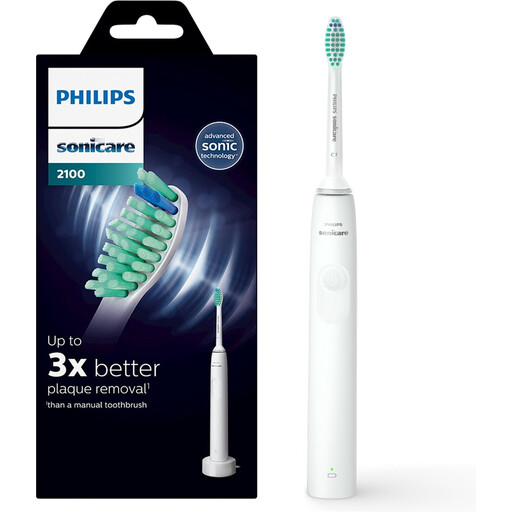
Why This Fits Their Persona: This model is ideal for those switching from a manual toothbrush. It offers the effective sonic cleaning technology of a top brand without the complexity and cost of advanced features. Simply a solid, reliable toothbrush.
This model focuses on the essentials: a thorough clean. It has no app connectivity, so you're not paying for features you likely won't use.
The Sonicare technology with 31,000 brush movements per minute delivers a noticeably cleaner feel. The battery lasts up to 14 days and is charged via a convenient USB cable.
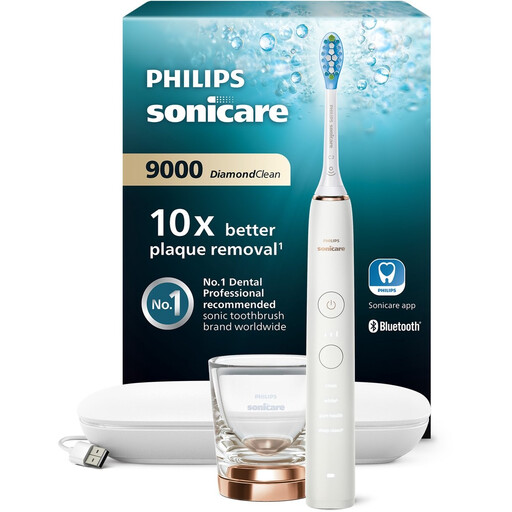
Why This Fits Their Persona: For those who want to perfect their brushing routine with data and personalization. The app provides real-time feedback, while the different modes (Clean, White+, Gum Health, Deep Clean+) and three intensities offer complete control.
Although this is a toothbrush with an app, its features are genuinely useful. The pressure sensor and progress reports help you improve your brushing habits, which is a clear benefit.
The BrushSync technology automatically selects the correct brushing mode based on the attached brush head. According to Philips, the C3 brush head removes up to 10x more plaque.
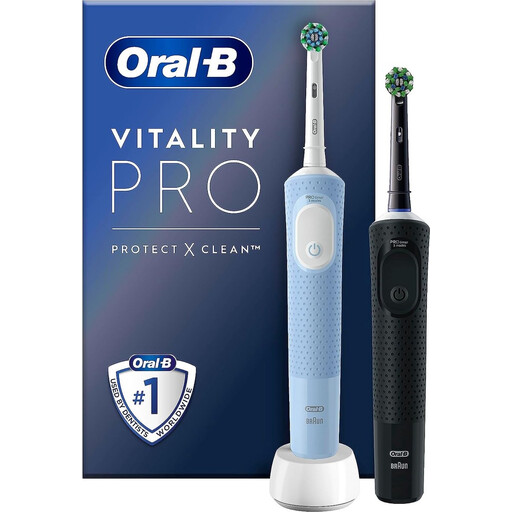
Why This Fits Their Persona: An affordable and convenient solution for couples or housemates. This set includes two handles and one charging station, helping to keep the bathroom tidy while equipping two people at once.
This duo pack focuses on value and functionality. You get the proven rotating cleaning technology of Oral-B for two, without the high cost of two separate, advanced models.
The set includes 3 brushing modes, including a 'Sensitive Plus' mode for an extra-gentle experience. The round brush head envelops each tooth for a thorough clean.
We have compiled a complete, up-to-date list of products that fully meet these strict selection criteria and all relevant regulations.
The general guideline is to replace replacement heads every three months. Many brush heads from brands like Philips Sonicare and Oral-B have indicator bristles that fade in colour to signal it's time for a replacement. Worn bristles clean less effectively and can damage your gums.
That depends on your personality. For those motivated by data and feedback, an app can help improve brushing habits and ensure you don't miss any spots. For others, it's an extra step that is often forgotten over time. A great clean is perfectly achievable without an app, as long as the toothbrush has a timer and, ideally, a pressure sensor.
Usually not. Most electric toothbrushes use a brand- and model-specific charging base. However, a growing number of models, especially those aimed at travellers, are switching to charging via a standard USB or USB-C cable. Always check the product specifications if charging convenience is important to you.
