
Vandaag of morgen in huis

Kwaliteit gegarandeerd

Welkomstaanbiedingen ontgrendelen: GRATIS bezorging | Tot 80% korting | Gratis 30 dagen JoyPlus-proefperiode
Download de app
A good dog harness is essential for comfortable and safe walks. But with so many options available, it's easy to fall for clever marketing or a design that looks great but isn't functional. Many owners buy a harness that breaks after just a few months, causes chafing, or allows their dog to simply escape. Let's look at the most common pitfalls so you can make an informed decision.
Pitfall 1: Ignoring the Wrong Fit A harness that's too loose provides an escape route for your dog, especially during a sudden movement. A harness that's too tight will dig into the skin, restrict movement, and can even cause long-term physical issues. The "two-finger rule" is a good start, but the shape of the harness is just as important.
Pitfall 2: Falling for Looks Over Function A trendy pattern or fashionable colour says nothing about durability or comfort. Many stylish harnesses use weak stitching, thin material, and illogically placed D-rings. For a strong or active dog, this is a recipe for disaster.
Pitfall 3: Underestimating the Material and Construction Cheap, rough nylon can chafe and irritate, especially in the armpit area. Plastic buckles can become brittle and break in low temperatures. The strength of a harness for large dogs lies not only in its straps but also in the quality of the stitching and metal components.
To avoid the pitfalls mentioned above, focus on a few key specifications. This will help you see through the marketing hype and choose a product that truly works for you and your dog.
Not every harness is the same. The shape determines how pressure is distributed when your dog pulls.
A good harness is made from durable and soft material. Look for specifications like woven nylon or polyester with a soft lining of neoprene or fleece to prevent chafing. Check if the harness is adjustable at multiple points (around the neck and chest) to ensure a perfect fit. A sturdy dog lead or retractable dog lead needs a strong carabiner hook, so the harness must have a solid, welded D-ring.
If your dog pulls, a standard harness can make the problem worse. A no-pull harness has an extra ring on the front, on the chest. When you attach the lead here, the dog is gently turned to the side if it pulls, which discourages forward pulling. This is a different approach from a dog training collar, which works by applying correction around the neck.
Below are some popular choices, matched to the specific needs of dog owners.
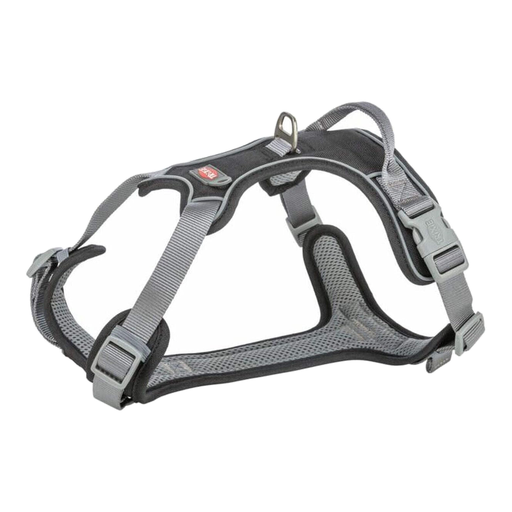
Why This Fits Their Persona: This is a reliable all-round Y-harness for daily walks. It's designed for active dogs and offers a balance of comfort and control, without unnecessary frills.
This Trixie harness focuses on a functional Y-design that distributes pressure well, rather than on aesthetics. The adjustable straps ensure a precise fit, preventing escapes or chafing.
Durable material designed for active dogs. Comfortable fit thanks to its excellent adjustability and Y-shaped model.
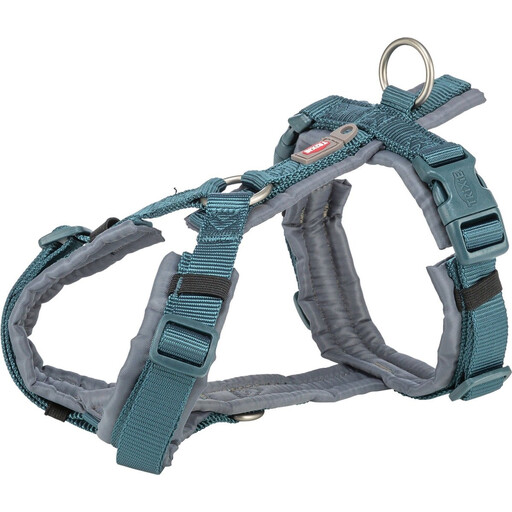
Why This Fits Their Persona: This harness is specifically designed for more control. The extra ring on the chest makes it an effective no-pull harness, ideal for owners working on their dog's walking behaviour.
This model is purely functional. It's made from robust polyester and nylon and has a water-repellent lining. The focus is on control and durability, not on a fashionable appearance.
Front attachment ring for no-pull training. Padded and water-repellent for extra comfort and practical use.
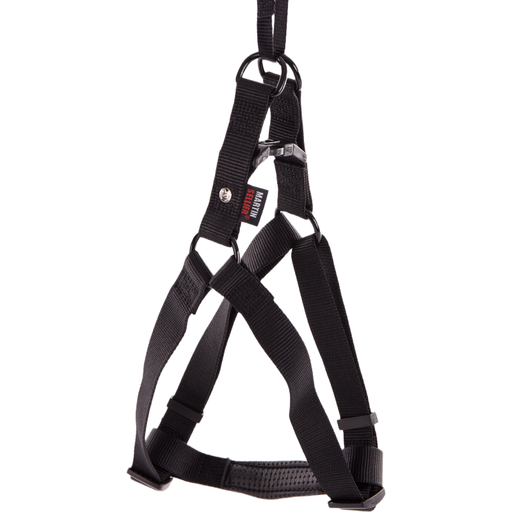
Why This Fits Their Persona: For dogs (and owners) who hate a fuss, this step-in harness is a godsend. The dog steps in, you click it shut, and you're ready to go. Quick, simple, and stress-free.
Although the design is simple, it's made from robust nylon suitable for large dogs. The focus is on ease of use and durability. The supplier offers a 10-year guarantee, which indicates confidence in the material.
Very easy to put on thanks to the step-in design. Made of strong nylon with a quick-release buckle.
We have compiled a complete, up-to-date list of products that meet these strict selection criteria and relevant safety regulations.
How do I know what size dog harness I need? The right size is crucial. Measure your dog's chest girth at the widest point, just behind the front legs. Use a flexible measuring tape. Compare this measurement with the manufacturer's size chart. If your dog falls between two sizes, choose the larger one, as you can often adjust it to be tighter. A well-fitting harness should leave enough space for about two fingers between the harness and the coat.
Is a dog harness better than a collar? This depends on your dog and your goal. A harness distributes pressure across the chest and back, which takes the strain off the neck. This is especially recommended for small breeds, dogs with respiratory problems (like pugs), and dogs that pull hard on the lead. A collar can sometimes offer quicker corrections during training, but if used incorrectly, it can damage the neck and trachea. For daily walks, a well-fitting harness is the more comfortable and safer choice for many dogs.
How long does a good dog harness last? The lifespan depends on the quality of the material, the frequency of use, and your dog's activity level. A harness made of high-quality nylon or polyester with strong stitching and metal rings can last for years. Regularly inspect the harness for wear and tear, especially at the seams, buckles, and the point where you attach the dog lead. Replace the harness as soon as you see any tears or serious wear to ensure safety.
