
Vandaag of morgen in huis

Kwaliteit gegarandeerd

Welkomstaanbiedingen ontgrendelen: GRATIS bezorging | Tot 80% korting | Gratis 30 dagen JoyPlus-proefperiode
Download de app
As a dog owner, you want to keep your four-legged friend's teeth healthy. A good dog chew seems like the perfect solution: it's a treat and a toothbrush in one. But the vast selection can be overwhelming, and not every snack lives up to its packaging's promises. Many owners unknowingly fall into marketing traps that are not only a waste of money but also fail to benefit their dog's health.
Before you make a choice, it's helpful to recognise the most common pitfalls:
To avoid a bad purchase, it's wise to focus on a few objective product features rather than marketing claims. When comparing dog snacks for tartar control, pay attention to the following three points.
A look at the ingredient list tells you more than the front of the package.
The texture of the chew stick determines how well it can clean the teeth. A good dog chew should be firm enough to encourage the dog to chew on it vigorously. This abrasive action helps remove plaque and early tartar. Snacks that are too soft don't provide this friction. Hard chew bones made from materials like rawhide provide long-lasting chewing enjoyment and better mechanical cleaning.
Always choose a chew stick that matches your dog's size. Most brands, like Pedigree Dentastix, offer different sizes for small, medium, and large dogs. A stick that is too small can be swallowed whole, posing a choking hazard. A stick that is too large can be frustrating for a small dog. The shape can also play a role; unique shapes can help clean hard-to-reach areas of the mouth.
Based on these objective criteria, we have selected a number of products that suit different needs and budgets.

Why This Fits Their Persona: An effective, daily solution for dental care without the premium price tag. Ideal for owners of medium-sized dogs looking for a functional, well-priced snack.
This product focuses on a functional shape for mechanical cleaning, without expensive marketing or a complex ingredient list. It's a no-nonsense dental stick.
Excellent value for money for daily use. The structure is designed to encourage chewing and thus support dental health.
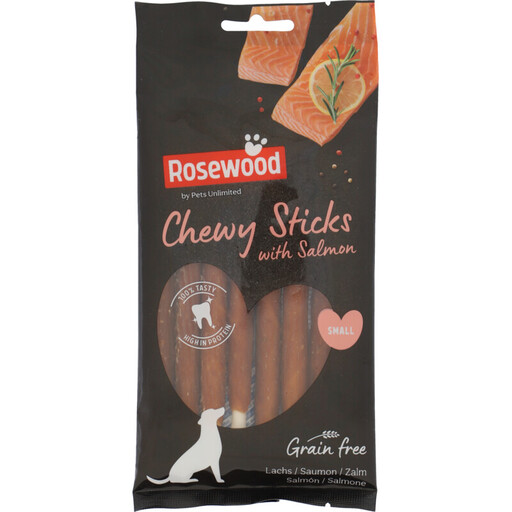
Why This Fits Their Persona: Perfect for owners who opt for natural dog snacks and a grain-free treat. Suitable for dogs with sensitive digestion or for those who simply want the best for their dog.
The transparent, short ingredient list (rawhide, dried salmon) contains no hidden sugars or unnecessary fillers. You know exactly what you're giving.
Made from rawhide wrapped with real salmon. Free from grains, gluten, and artificial additives. The firm structure ensures long-lasting chewing enjoyment.
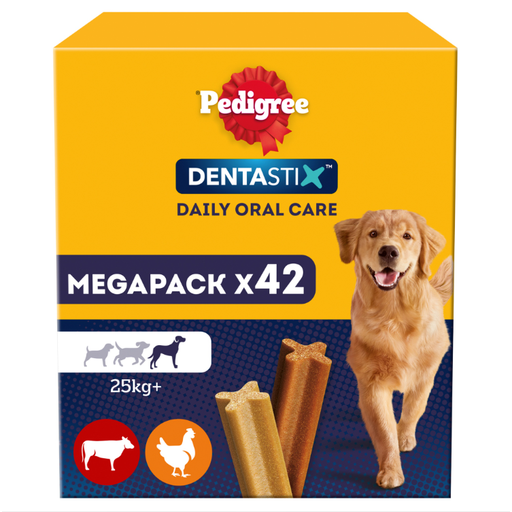
Why This Fits Their Persona: Specifically designed for the jaw strength and teeth of large dogs (25 kg and up). The value pack is ideal for daily use and offers a great price per stick.
This product avoids the 'one-size-fits-all' pitfall. The Maxi size is tailored to large dogs, minimising the risk of choking on snacks that are too small.
According to Pedigree, its unique X-shape and active ingredients help reduce tartar build-up by up to 80% with daily use. Low in fat and with no added sugars.
Finding a healthy treat that your dog loves and that also helps keep their teeth clean doesn't have to be complicated. We've compiled a complete overview of products that meet these selection criteria.
This depends on the type of product and your dog's diet. For many dental sticks, daily use is recommended for optimal effect on the teeth. Always read the feeding advice on the packaging. Snacks and chews are complementary pet food and not a replacement for a main meal. A general guideline is that treats should not make up more than 10% of your dog's daily calorie intake.
Most chew sticks are not suitable for very young puppies, as their teeth are still developing. Many manufacturers recommend giving their products to dogs from 4 to 6 months of age. Always check the recommendation on the packaging before giving a chew stick to your puppy.
A balance is necessary. A chew product should be hard enough to last and remove plaque, but not so hard that it could damage teeth. Extremely hard materials like deer antlers or hard plastic bones can indeed pose a risk for aggressive chewers. Chew bones made from pressed rawhide are a popular alternative because they soften during chewing, which reduces the risk of tooth fractures. Always supervise your dog while they are chewing on a stick or bone.
