
Vandaag of morgen in huis

Kwaliteit gegarandeerd

Welkomstaanbiedingen ontgrendelen: GRATIS bezorging | Tot 80% korting | Gratis 30 dagen JoyPlus-proefperiode
Download de app
A chewing dog is a happy dog. But a dog chewing on your shoes, furniture, or baseboards leads to a less-than-happy owner. The need to chew is a natural instinct. It not only helps your dog reduce stress and combat boredom, but it's also crucial for your dog's dental care.
Finding the right chew bone for your dog can be a challenge. One dog might be a gentle nibbler, while another is a true power chewer. This guide is designed to help you make a suitable choice from the wide range of options, based on material, function, and your dog's chewing style.
Before you make a choice, it's helpful to consider a few things. This will ensure you choose a product that is both safe and enjoyable for your four-legged friend.
The lifespan of a chew bone depends entirely on its material. For dogs that destroy everything, a strong dog toy is a must. Materials like nylon are often a good option for this. Nylon dog toys are designed to last and don't splinter like real bone. For less aggressive chewers, materials like TPR (thermoplastic rubber) can be a good middle ground, as they are more flexible and gentler on the teeth.
Consider the primary purpose of the bone. Are you looking for an edible bone for your dog as a tasty reward? Then a chew snack is a logical choice. These are meant to be eaten completely. Are you looking for something to keep your dog occupied for a long time and reduce destructive behaviour? Then a durable, non-edible toy, sometimes referred to as an indestructible chew toy, is more suitable. There are also 2-in-1 products that combine a durable toy with an edible component.
Always choose a chew bone that matches your dog's size and chewing strength. A bone that is too small can pose a choking hazard. Especially with strong chewers, always supervise and regularly check the toy for wear and tear. Replace the bone when it becomes small enough for your dog to swallow whole or if sharp edges develop.
Based on the criteria above, we have listed a few popular choices for you.

Why it stands out: This chew bone combines the best of both worlds: a durable nylon exterior and an edible, beef-flavoured core. It's designed to last while providing a tasty reward.
Pros:
Who it's for: Dogs of all breeds who need a challenge that lasts longer than a simple snack. Ideal for owners looking for a solution for both chewing needs and dog dental care.
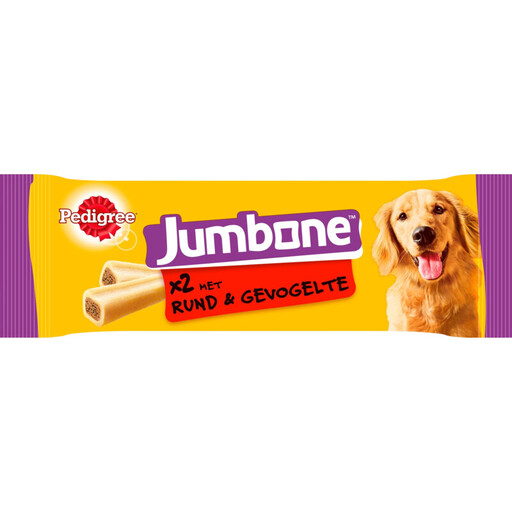
Why it stands out: This is a classic chew snack that focuses on taste and texture. The hard exterior and soft, flavourful filling make it a beloved treat for many dogs.
Pros:
Who it's for: Medium-sized dogs (10-25 kg) as a weekly treat. This is an edible bone for the dog and not a durable toy, so it's not intended for hours of chewing.
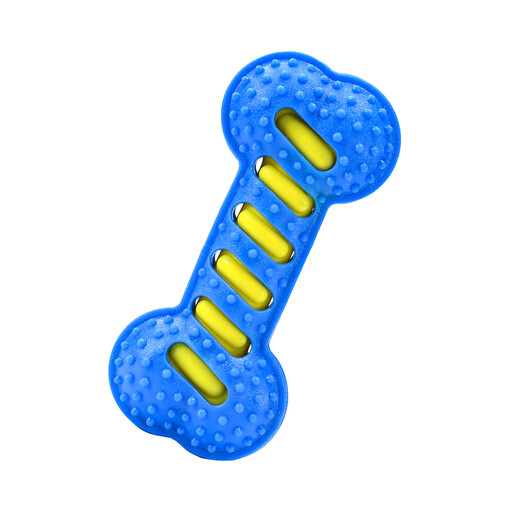
Why it stands out: This squeaky toy is made for interactive play. It combines a durable, flexible material with a built-in squeaker that captures and holds the dog's attention.
Pros:
Who it's for: Small to medium-sized dogs who love interactive toys. Perfect for games of fetch and dogs that need extra mental stimulation.
Every dog is unique, and what works for one may not be the right choice for another. If the options above don't quite meet your dog's needs, there's fortunately much more to discover.
Check out our full range of dog bones and find the perfect option for your four-legged friend.
This depends on the type of bone. An edible chew snack, like the Pedigree Jumbone, has feeding advice on the packaging (e.g., 2-3 pieces per week). Durable toys, such as a nylon bone, can be used daily, but always under supervision. Limit chewing sessions to, for example, 10-15 minutes at a time to prevent excessive wear on the teeth.
High-quality nylon dog toys are designed to be safe. During chewing, small, rice-grain-sized shavings may come off. These are generally harmless and pass through the digestive system. However, it is crucial to replace the toy once it becomes too small or develops sharp edges. Always supervise.
This varies by product. Some toys are specially designed for teething puppies. These are often made of softer, more flexible material like TPR. Other products, especially harder snacks, are only suitable from a certain age (e.g., 9 months). Always check the manufacturer's recommendations on the packaging.
