Vandaag of morgen in huis

Kwaliteit gegarandeerd

Welkomstaanbiedingen ontgrendelen: GRATIS bezorging | Tot 80% korting | Gratis 30 dagen JoyPlus-proefperiode
Download de app
Buying a DJI drone can be an overwhelming task. With models like the Mini, Air, and Avata, each with its own specifications, it's natural to wonder which drone is the right one for your goals. Are you a traveler seeking compactness, a creator dreaming of cinematic shots, or an adventurer looking for an immersive flight experience?
This guide is designed to help you. We'll compare the specifications of popular DJI models side-by-side, so you can make a choice that aligns with your needs and budget.
Before we dive into the models, here are a few practical points to make your decision easier.
In the EU, a drone's weight is directly linked to the regulations that apply to it. A lightweight drone under 249 grams (C0-label) offers the most freedom. No pilot's exam is required for this category, although pilot registration is often mandatory. Heavier drones (like C1) require an online theory exam. So, consider how much freedom you want and whether you're willing to familiarise yourself with the regulations.
Virtually every modern DJI drone features a drone with a 4K camera. However, the quality is ultimately determined by the size of the image sensor. A larger sensor, like the 1-inch CMOS sensor on a more professional-grade drone, captures more light and delivers better performance at sunset or in shaded areas. For social media, a standard sensor is sufficient, but for serious photography, a larger sensor is worth considering.
Most drones are controlled by looking at the screen of your controller or phone. An FPV drone (First-Person View) offers a completely different experience. Wearing special goggles, you see exactly what the drone's camera sees, as if you were in the cockpit yourself. This provides a dynamic and immersive flight experience, ideal for those who crave speed and action.
Based on specifications and use cases, we've selected DJI models that cater to a variety of needs.
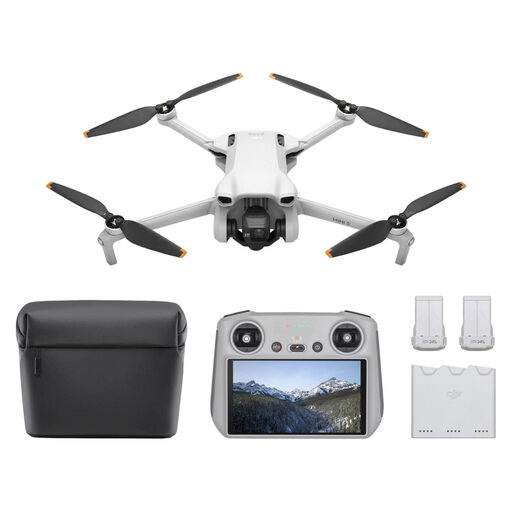
Why It Stands Out The DJI Mini 3 is designed with ease of use and portability at its core. Weighing less than 249 grams, it falls into the most lenient regulatory category (C0). A unique feature is 'True Vertical Shooting', which rotates the camera 90 degrees for vertical videos, perfect for Instagram or TikTok.
Pros
Who It's For This model is an excellent choice for new pilots, travelers, and content creators who need a reliable and portable drone for capturing everyday adventures and social media content. The DJI Fly More Combo, with extra batteries and a charging hub, is recommended for those who want to extend their flight time.
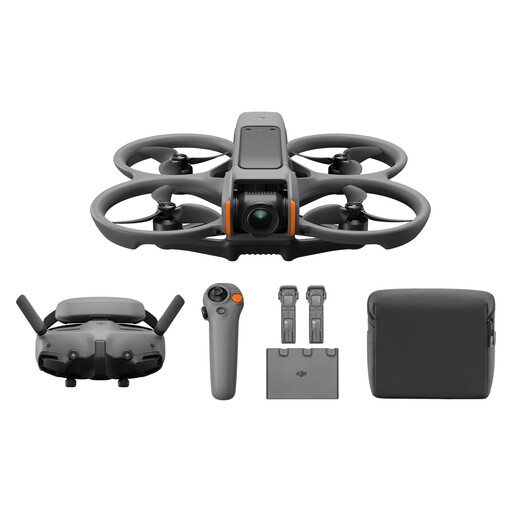
Why It Stands Out The DJI Avata 2 is an FPV drone that delivers a fully immersive flight experience. With the included Goggles 3 and RC Motion 3, you control the drone with intuitive hand movements. The built-in propeller guards make it more robust and safer to fly, even for newcomers to the FPV world.
Pros
Who It's For The Avata 2 is for anyone seeking excitement and a unique, dynamic way to film. It's an accessible entry into the world of FPV flying, suitable for both beginners wanting to try acrobatic maneuvers and filmmakers looking for unique POV shots.
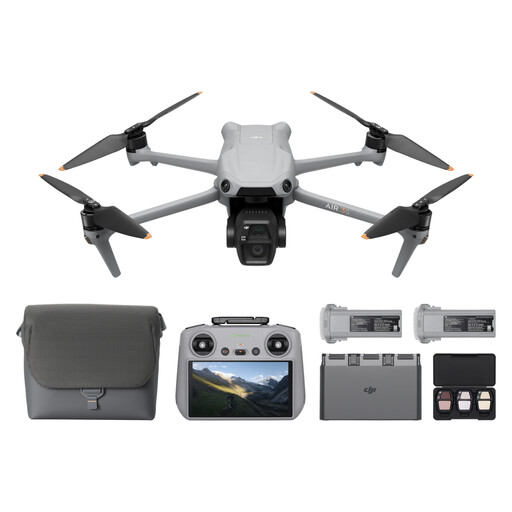
Why It Stands Out The DJI Air 3S positions itself as a professional-grade drone for the discerning hobbyist and semi-professional. Its key feature is the dual-camera system: a wide-angle camera with a large 1-inch CMOS sensor and a medium telephoto camera. This offers creative flexibility and superior image quality, especially in low-light conditions.
Pros
Who It's For This model is aimed at serious photographers and videographers who demand more control and higher image quality than an entry-level model can provide. If you're looking for cinematic footage, detailed landscape photos, and advanced flight features, the Air 3S is a strong contender.
Every pilot has different needs. If the models above aren't exactly what you're looking for, more options are available. Explore our full range and find the perfect 4k drone with camera for your next project.
That depends on its weight and C-label. For a lightweight drone under 250 grams (like the DJI Mini 3, C0-label), no exam is required. For drones in the C1 category (like the DJI Air 3S), you must complete a free online theory exam (A1/A3). In most cases, registration as a pilot with the relevant national aviation authority is mandatory. Always check the current local regulations on the website of your government or EASA.
A DJI Fly More Combo is a bundle that, in addition to the drone, typically includes two extra batteries, a multi-battery charging hub, spare propellers, and a carrying bag. This offers better value for money than buying these accessories separately and allows you to fly for significantly longer without needing to recharge.
Flying in the rain is strongly discouraged, as most drones are not waterproof and the electronics can be damaged. For each model, DJI specifies a maximum wind speed in which it can remain stable (e.g., 38 km/h for the Mini 3). Flying in stronger winds is risky and can lead to loss of control. Always fly in clear weather and within your visual line of sight.