
Vandaag of morgen in huis

Kwaliteit gegarandeerd
Download de app
Categorieën

A new dishwasher is a significant investment. The wrong choice can lead to years of frustration: dishes that aren't perfectly clean, unexpectedly high energy bills, or an appliance that's too noisy for an open-plan kitchen. The market is vast, and specifications can be highly technical. This guide will help you use facts and specifications to find a model that suits your household.
To make an informed decision, it's helpful to understand a few key characteristics. These parameters determine the appliance's performance, consumption, and ease of use.
The first choice is placement. A freestanding dishwasher can be placed anywhere with a water and power connection. The top panel can often be removed to fit the appliance under a countertop. An integrated dishwasher is fully built into your kitchen design, concealed behind a cabinet panel. This article focuses primarily on freestanding models.
The standard width for a dishwasher is 60 cm. Capacity is expressed in place settings. One place setting represents the tableware for one person for one meal (a dinner plate, soup bowl, glass, cup, and cutlery).
The EU energy label ranges from A (very efficient) to G (least efficient). An energy-efficient dishwasher with a good energy rating (e.g., A, B, or C) can lead to significant annual savings. Pay attention to two values on the label:
A quiet dishwasher is especially desirable in an open-plan kitchen. The noise level is expressed in decibels (dB).
Modern dishwashers offer technology that enhances user convenience.
Below is a selection of three freestanding dishwashers with different features. The selection is based on product parameters and functionalities.
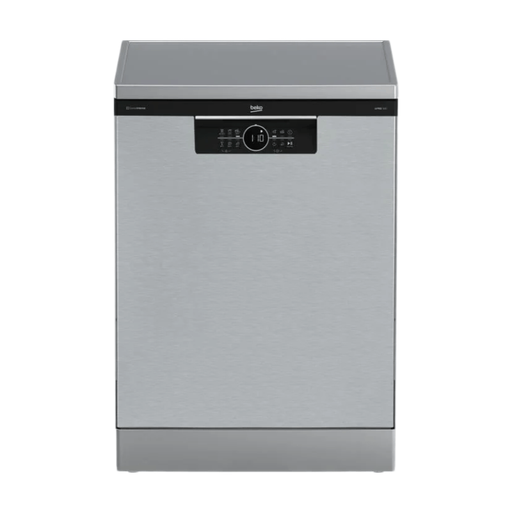
Why this product? The Beko BDFN26442XC tackles a common problem: dishes in the corners that don't get properly clean. According to Beko, the CornerIntense technology, featuring an additional spray arm that moves in a rectangular pattern, ensures water and detergent reach every corner. The SelfDry function automatically opens the door for improved drying.
Key Features
Who is this for? For households seeking effective and complete cleaning and who value excellent drying results without a premium price tag. Its low noise level also makes it suitable for open-plan kitchens.
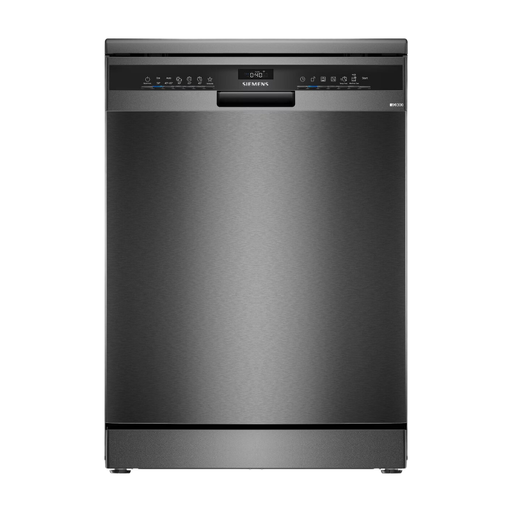
Why this product? This Siemens dishwasher combines efficiency with smart technology. With Home Connect, you can operate the dishwasher via your smartphone or voice commands. The autoOpen dry function ensures efficient drying, and the varioFlex baskets offer great flexibility when loading.
Key Features
Who is this for? Ideal for those who appreciate convenience and smart technology. The ability to control the dishwasher remotely and the flexible loading options make this a practical model for busy, modern households.
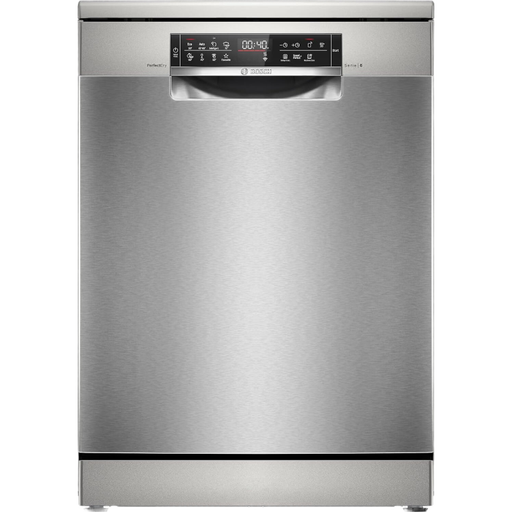
Why this product? The Bosch dishwasher focuses on highly efficient and effective drying. The Zeolith drying technology uses natural minerals to convert moisture into warm air. According to Bosch, this provides excellent drying results, even on plastic items, while reducing energy consumption.
Key Features
Who is this for? Suitable for those who prioritise maximum energy efficiency and perfectly dry dishes. The Zeolith technology is a particular advantage for households that use a lot of plastic items, such as food containers and children's cups.
This selection is a starting point. Every household has different needs. Are you looking for a different size, a specific brand, or a model with other features? Many more options are available.
Explore our full range and compare different models based on your specific requirements.
-> View all freestanding dishwashers
1. What is the advantage of a dishwasher with automatic door opening? A dishwasher that automatically opens ajar after the cycle allows steam to escape and uses ambient air to dry the dishes. This process is more energy-efficient than drying with a heating element and often results in better drying performance, especially for plastics.
2. How much quieter is a 'quiet dishwasher'? The difference between 46 dB and 43 dB may seem small, but it is very noticeable. A reduction of 3 dB is perceived by the human ear as a halving of the sound. Therefore, a 43 dB model is significantly quieter than a 46 dB model, which makes a big difference in an open-plan kitchen.
3. What do the 'place settings' of a dishwasher mean? The number of place settings is a standardised measure of a dishwasher's capacity. One place setting includes all the tableware and cutlery for one person for a three-course meal: a dinner plate, soup plate, dessert plate, a glass, a cup and saucer, and a full set of cutlery. A model with 14 place settings, therefore, has room for the tableware of 14 people.