
Vandaag of morgen in huis

Kwaliteit gegarandeerd

Welkomstaanbiedingen ontgrendelen: GRATIS bezorging | Tot 80% korting | Gratis 30 dagen JoyPlus-proefperiode
Download de app
A cluttered countertop, wet spots, and a constant battle for space: for many with a compact kitchen, this is a daily reality. Washing dishes by hand is quick enough, but where do you let everything dry without creating chaos? A well-chosen dish rack, also known as a dish drainer, isn't a luxury—it's an essential component of an organized kitchen.
As a Joybuy Product Recommendation Officer, I see many smart solutions. In this article, I'll help you make the right choice. We'll look at practical specifications and different models, so you can find a dish rack that truly fits your kitchen and lifestyle—without the marketing fluff.
Before you make a decision, it's helpful to consider a few key points. This will help you find a model that not only fits your space but is also built to last.
The material determines not only the aesthetic but also the lifespan of your dish rack.
The biggest challenge in a small kitchen is space. Fortunately, there are several types of dish racks designed to cleverly address this.
No one wants a puddle of water on their countertop. A good water drainage system is crucial. Opt for a dish drainer with a drainboard that collects water. Even more convenient are models with a spout that directs water straight into the sink. This prevents limescale buildup and keeps your kitchen hygienic.
Based on functionality and smart design, we've highlighted a few popular choices for you.
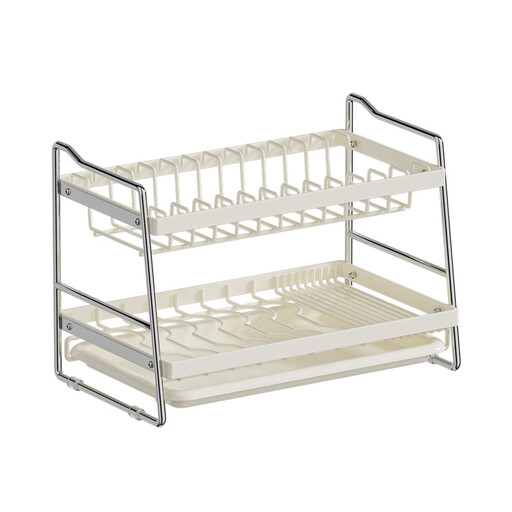
Why It Stands Out This model is an excellent kitchen organizer that builds vertically. The 2-tier design doubles your drying capacity without taking up extra counter space. The integrated drainboards catch all the water, keeping your countertop dry and tidy.
Pros
Who Is It For? For households that regularly wash a significant amount of dishes by hand and want to make the most of their kitchen's vertical space.

Why It Stands Out This is the ultimate solution for anyone who doesn't want to sacrifice a single inch of counter space. This over-the-sink dish rack is made from durable 304 stainless steel and is extendable (from 29 cm to 44 cm), allowing it to fit most sinks. It also doubles as a colander for washing fruits and vegetables.
Pros
Who Is It For? Ideal for those with very small kitchens, a minimalist decor, or anyone who prefers to keep their countertops clear.

Why It Stands Out This foldable dish rack combines a large capacity with flexibility. When you need it, it offers two tiers of drying space. Finished with the dishes? Simply fold it flat and store it easily in a cabinet. The combination of stainless steel and PP material makes it both sturdy and lightweight.
Pros
Who Is It For? For those seeking flexibility. Perfect if you don't wash dishes every day and want to use your countertop for other tasks in between.
The perfect solution is different for everyone. Perhaps you're looking for a different color, size, or a specific material. If these recommendations aren't quite what you had in mind, don't worry. Many more options are available.
Explore our full collection and discover more smart solutions for your kitchen.
? Explore More Dish Racks Here
1. How do I keep my dish rack clean? Regular cleaning prevents limescale buildup and bacterial growth. A stainless steel dish rack can be cleaned with a soft cloth and a mild soap solution. Plastic models can often be cleaned the same way. Ensure the rack is completely dry before storing it to prevent mold.
2. What is the difference between a stainless steel and a plastic dish rack? A stainless steel dish rack is generally more durable, sturdier, and more resistant to heat and discoloration. Plastic is lighter, often less expensive, and available in more colors, but it can become brittle or discolor over time. The choice depends on your budget and how intensively you plan to use the rack.
3. Can a dish rack damage my countertop? Most modern dish racks have soft rubber or silicone feet to prevent scratches. The biggest risk is water damage from standing water. Therefore, always choose a model with good drainage, such as a dish drainer with a drainboard or a design that directs water straight into the sink. Regularly check underneath the rack to ensure the area stays dry.
