
Vandaag of morgen in huis

Kwaliteit gegarandeerd

Welkomstaanbiedingen ontgrendelen: GRATIS bezorging | Tot 80% korting | Gratis 30 dagen JoyPlus-proefperiode
Download de app
A good dish rack seems like a simple purchase, until you end up with one that's constantly in the way, leaves rust stains, or turns your countertop into a watery mess. Many models look great online or in the store, but start showing defects after just a few months. Before you make a choice, it's smart to know where the pitfalls lie.
The most common problems are not always immediately obvious:
stainless steel dish rack that still shows rust spots after a short time, especially at the welded joints. This is often due to a coating that is too thin or the use of low-quality steel.dish rack with drainboard that is too flat or has no drainage will cause water to pool. This leads to limescale buildup and an unhygienic, damp spot on your countertop.dish drying rack must be, above all, functional.A bad purchase is a waste of money and a daily source of irritation. Fortunately, you can avoid these problems by paying attention to a few key points.
To make a durable and practical choice, focus on the specifications that really matter. This will help you ignore marketing jargon and find a kitchen drying rack that does its job.
The material determines the lifespan and maintenance of your dish rack.
stainless steel dish rack is a popular choice due to its durability and resistance to rust. Pay attention to the quality; models made of higher-grade SS (like 304 steel) offer better protection. They are often a bit more expensive but last significantly longer.black dish rack or in other colours. The coating protects the underlying metal from water. The risk here is that the coating can be damaged by bumps or scratches, after which rust can still strike.The drainboard is perhaps the most important component. A well-designed drainboard prevents water from standing on your countertop. Look for models with a clear slope and a drainage spout that directs water straight into the sink. Some even have a 360-degree rotating spout, allowing you to place the rack flexibly. A removable drainboard is a plus for cleaning.
2-tier dish rackThink about how many dishes you typically wash by hand.
collapsible dish rack is ideal. You can easily store it when not in use, keeping your workspace clear.2-tier dish rack is a smart kitchen organiser. It utilises vertical space and nearly doubles your drying capacity without taking up extra countertop space.Based on these criteria, we have selected a number of products that suit different households and needs.
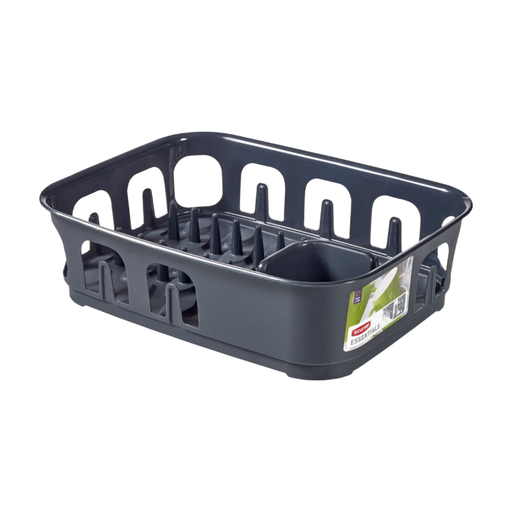
Why This Fits Their Persona: Ideal for students or first-time renters with limited space and budget. This rack is compact, functional, and does its job without any fuss. The plastic material is low-maintenance and prevents scratches on your dinnerware.
Made of durable plastic, so rust is not an issue. The design has a built-in drain plug, which prevents standing water and limescale buildup on the drainboard.
Offers space for 12 plates, has an integrated cutlery holder and hooks for cups. The drain plug is a smart feature in this price range.
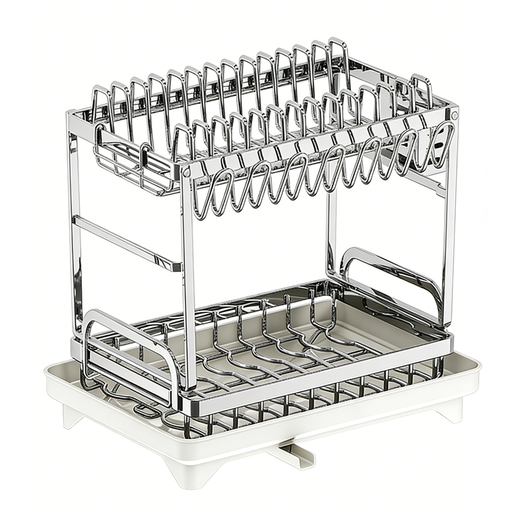
Why This Fits Their Persona: Perfect for families who have a lot of dishes. This 2-tier rack maximises drying space on the countertop. The sturdy construction can handle plates, bowls, and pans simultaneously, keeping the kitchen tidy.
The combination of stainless steel and PP plastic is specifically chosen for humid environments and is rust-resistant. The built-in drain pipe at the bottom directs water away immediately, preventing standing water.
Very large capacity due to the 2-tier design. The separate compartments for plates, bowls, and cutlery ensure an organised and clear layout.

Why This Fits Their Persona: For those who want to maintain a tidy countertop. This rack offers the capacity of a 2-tier model but can be folded flat and stored away after use. Perfect for smaller kitchens or for those who don't want a dish rack on constant display.
The collapsible design is sturdy and stable when unfolded. The stainless steel material is rust-resistant, and the drainboard with a drain pipe ensures efficient water removal, making it a practical and durable choice.
The combination of large capacity and a collapsible design is unique. It offers flexibility without compromising on functionality.
We have compiled a complete, real-time list of products that fully satisfy these strict selection criteria and UK safety regulations.
How do I prevent rust on my stainless steel dish rack? Even stainless steel can develop surface rust, especially in areas with hard water. Clean the rack regularly with a soft cloth and mild soapy water. Dry it thoroughly. Avoid using abrasive sponges or harsh cleaning agents, as these can damage the protective surface.
How often should I clean the drainboard of my dish rack? It is advisable to empty and clean the drainboard at least once a week. This prevents the buildup of limescale and bacteria. If you live in an area with very hard water, more frequent cleaning may be necessary. Most drainboards can be easily rinsed or wiped clean with a cloth.
Is a collapsible dish rack stable enough for daily use? Modern collapsible racks are designed with stability in mind. They often have locking mechanisms or a sturdy base to prevent wobbling. As long as you don't overload the rack and place it on a flat surface, it is a stable and reliable option for daily use.
