
Vandaag of morgen in huis

Kwaliteit gegarandeerd

Welkomstaanbiedingen ontgrendelen: GRATIS bezorging | Tot 80% korting | Gratis 30 dagen JoyPlus-proefperiode
Download de app
Buying a new dish brush seems simple. Yet, a brush often ends up in the bin after just a few weeks: the bristles are splayed in every direction, the handle is slippery, or the handy soap reservoir is leaking. Many products overpromise and underdeliver. Before you make another bad purchase, it's wise to know the common pitfalls.
Common problems include:
bamboo dish brush sounds eco-friendly, but if the handle is untreated, it can quickly grow mould. Or, the bristles are made of poor-quality plastic that detaches easily and ends up in the wastewater.dish brush with a soap dispenser is a popular convenience item. Unfortunately, many cheap models are not properly sealed, causing the dish soap to leak out or the button to get stuck.A good kitchen brush doesn't have to be expensive, but it must be functional. Let's look at the specifications that truly matter.
Focus on the fundamentals: the materials and design determine how well and how long a dish brush will last.
The choice of material directly impacts the lifespan and ease of use.
bamboo dish brush offers a natural aesthetic and is a more sustainable dish brush if the wood is properly treated and sourced from sustainably managed forests (look for certifications like FSC). A long-handled dish brush is practical for cleaning deep pots, bottles, or vases without getting your hands completely wet.pot brush requires stiffer bristles to remove burnt-on food, while softer bristles are better for glasses and delicate dishes.A brush should fit comfortably in your hand. An ergonomic grip, possibly with a non-slip coating, makes washing dishes more comfortable. Extras like a scraper on the head are useful for stubborn grime.
With a dish brush with a reservoir, the quality of the mechanism is crucial. Check that the cap seals tightly and that the soap-dispensing button feels sturdy. A poorly designed dispenser only leads to frustration and wasted dish soap.
Based on these criteria, we have selected a number of products to suit different needs and budgets.
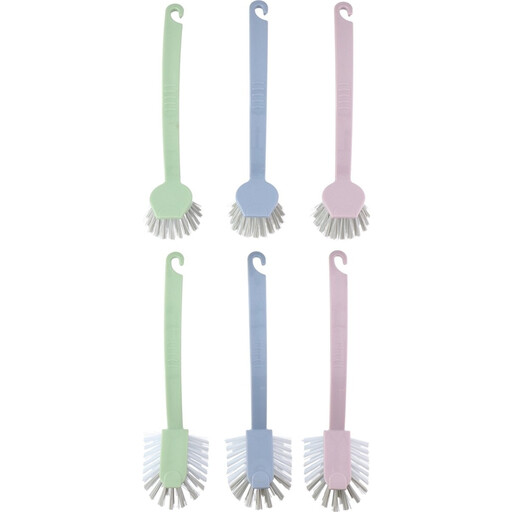
Why This Fits Their Persona: For those who just want a functional, no-frills brush. This brush is affordable, does what it's supposed to do, and is ideal for daily use in a student dorm or as a basic kitchen essential.
This brush has no extra features that can fail. It's a simple, straightforward design that focuses on its core task: cleaning.
Made of sturdy plastic for a long lifespan. The user-friendly design fits comfortably in the hand.
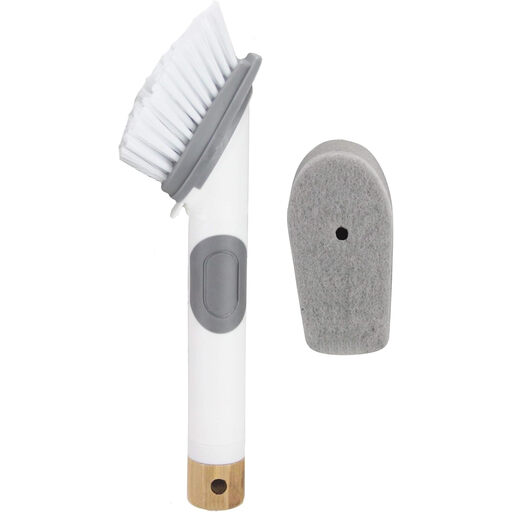
Why This Fits Their Persona: Perfect for those who value efficiency and convenience. No more fumbling with a separate bottle of dish soap. With the push of a button, you dispense soap directly onto the dishes, saving time on the daily wash-up.
This model combines a sturdy polypropylene and bamboo construction with a flexible TPR soap dispenser, which reduces the risk of leaks and defects.
2-in-1 functionality with an integrated soap reservoir. The wide brush head is ideal for larger surfaces like plates and pans.
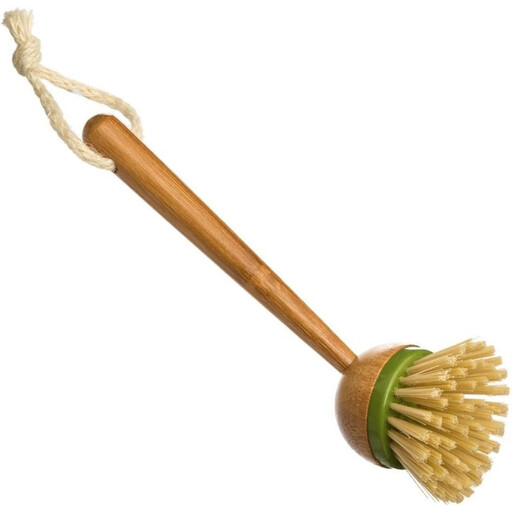
Why This Fits Their Persona: This brush is a great choice for anyone looking to reduce plastic in their kitchen. The handle is made from bamboo, a fast-growing and renewable resource, and the product is FSC-certified.
The brush includes a hanging loop. This allows it to dry properly, which significantly reduces the chance of mould growth on the bamboo handle. The bristles are sturdy for effective scrubbing.
Made from FSC-certified bamboo. The thick, round head with hard bristles is suitable for thorough cleaning.
We've compiled a complete, up-to-date list of products that fully meet these strict selection criteria and quality standards.
Rinse the brush thoroughly under hot water after each use to remove soap and food residue. Shake out the excess water and let it air dry, preferably hanging or standing upright in a holder. Many plastic dish brushes can be periodically placed in the dishwasher for a deeper clean. Always check the product information to confirm this.
Replace your dish brush as soon as the bristles are worn, bent, or flattened. This is typically after 1 to 3 months, depending on use and quality. A worn-out brush cleans less effectively and can become a breeding ground for bacteria. Also, replace it immediately if you see mould on the handle or if the brush develops an unpleasant odour that doesn't go away after cleaning.
A bamboo dish brush can be a more sustainable choice than an all-plastic one. Bamboo is a fast-growing type of grass that requires less water and no pesticides. However, be aware that the bristles are often still made of plastic (nylon or PET). A truly sustainable dish brush is one that lasts a long time, regardless of the material. A well-maintained bamboo brush with a replaceable head is often one of the most eco-friendly options.
