
Vandaag of morgen in huis

Kwaliteit gegarandeerd

Welkomstaanbiedingen ontgrendelen: GRATIS bezorging | Tot 80% korting | Gratis 30 dagen JoyPlus-proefperiode
Download de app
Choosing the right laundry detergent can sometimes feel like a science. The shelves are packed with bottles, boxes, and pods, all promising sparkling clean laundry. But how do you know which product truly works for your laundry, without falling for marketing traps or overpaying? As a Joybuy Product Recommendation Officer, I'm here to help you cut through the noise and make a practical choice.
Before you make a purchase, it's wise to consider a few common pitfalls:
To avoid a bad buy, it's helpful to base your choice on a few objective criteria rather than on flashy packaging.
The form of the detergent is more than just a personal preference; it affects the washing result.
Separating your laundry is one thing, but using the right detergent is just as important for preserving your clothes.
To help you with your choice, we've highlighted a few products that suit specific needs and lifestyles.
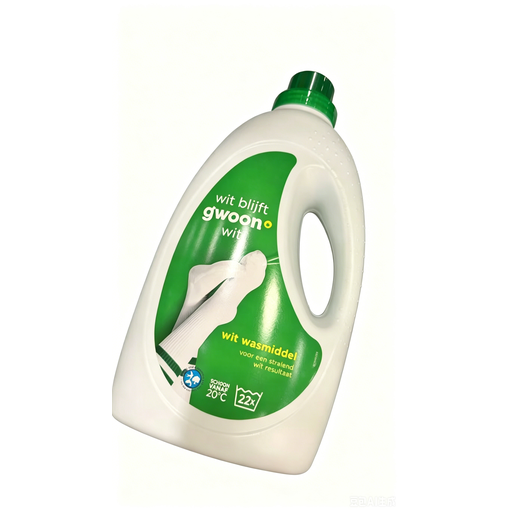
Why This Fits Their Persona: For households watching their budget, G'woon offers a no-frills solution. This detergent focuses on one task: getting white laundry clean and fresh without breaking the bank.
This product avoids the 'universal' trap by specifically targeting white laundry. You don't pay for extras you don't need, resulting in a low price per wash.
Effectively cleans from 20°C and has a clear, low price. Does what it promises for a specific task.
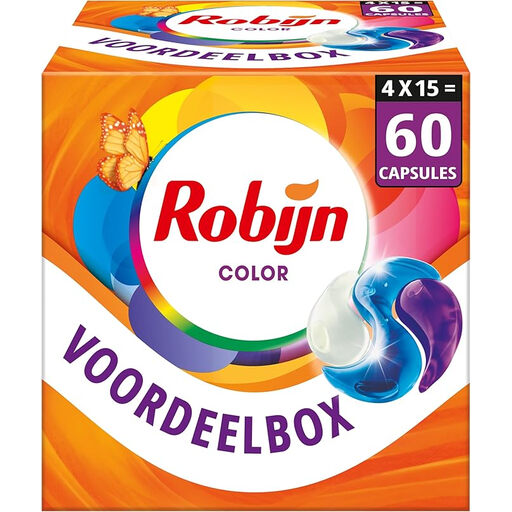
Why This Fits Their Persona: For families where the laundry basket is never empty, these washing capsules from Robijn offer convenience and efficiency. No mess or guesswork with dosing; just toss a capsule in the drum and you're done.
These capsules are specifically developed for coloured laundry. The formula with colour protectors helps keep the whole family's clothes looking good for longer, avoiding the pitfall of a 'universal' detergent that causes colours to fade.
Pre-dosed convenience and a formula that protects colours. The packaging is plastic-free and recyclable.
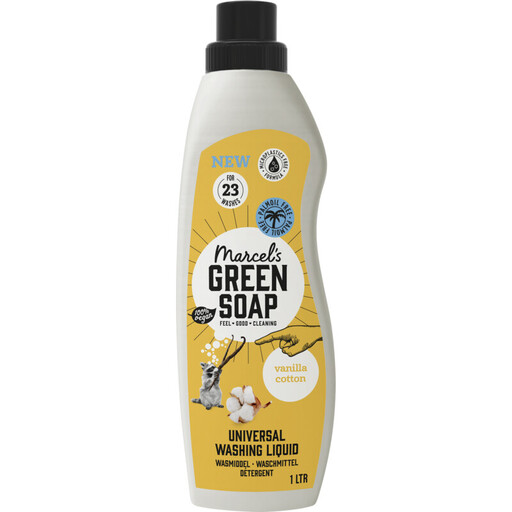
Why This Fits Their Persona: For those who want to clean with a clear conscience. This detergent is designed with the planet in mind, without compromising on cleaning power and a pleasant scent.
This product avoids 'greenwashing' by making concrete, verifiable claims: it's palm oil-free, vegan, at least 95% biodegradable, and the bottle is made from 100% recycled plastic.
A clear sustainable choice. Suitable for both white and coloured laundry, making it a practical option.
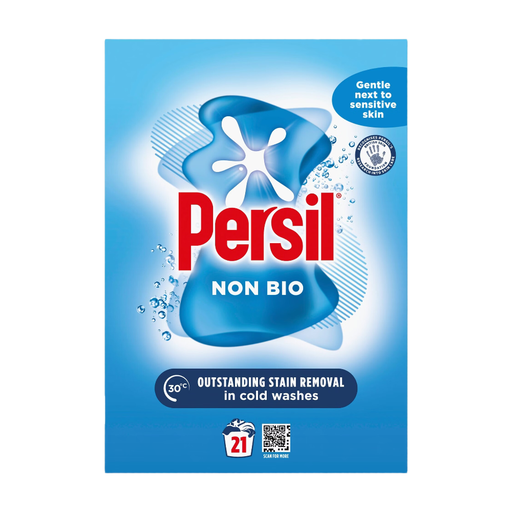
Why This Fits Their Persona: Ideal for families with babies or anyone with sensitive skin. This detergent is specially formulated to be gentle on skin without compromising on stain removal.
This product directly addresses the need for a sensitive skin detergent. It avoids the irritating enzymes and strong perfumes found in standard detergents.
Dermatologically tested, and Persil's skincare research is recognised by the British Skin Foundation. It's a reliable choice that's still tough on stains.
Not all sustainable detergents are created equal. If you're specifically looking for products with a lower ecological footprint, we've curated a selection that meets strict criteria.
Question 1: Can I also use powder detergent for coloured laundry? Yes, you can, but be careful. Washing powder intended specifically for whites often contains bleaching agents that can fade colours over time. If you want to use powder for your coloured laundry, choose a version explicitly labelled as 'Colour'. A liquid detergent is generally a safer choice for preserving colours.
Question 2: How much detergent do I really need? Always follow the dosing instructions on the packaging. The correct amount depends on three factors: the water hardness in your area, how dirty your laundry is, and the size of the load in the drum. Using more detergent than recommended won't make your clothes cleaner and can even leave soap residue on your clothes and in your machine.
Question 3: What does 'non-bio' detergent mean? 'Non-bio' (non-biological) detergent is a term for detergent without enzymes. Enzymes are proteins that are effective at breaking down stains like grass, blood, and food. However, for a small percentage of people, these enzymes can cause skin irritation. A detergent for sensitive skin is therefore often 'non-bio', making it a popular choice for baby clothes and people with sensitive skin.
