
Vandaag of morgen in huis

Kwaliteit gegarandeerd

Welkomstaanbiedingen ontgrendelen: GRATIS bezorging | Tot 80% korting | Gratis 30 dagen JoyPlus-proefperiode
Download de app
Limescale. That stubborn white film on your showerhead, the slow flow from your coffee machine, or those dull faucets in the bathroom. It's a common problem in many households. It’s tempting to just grab the first bottle you see on the shelf, but that's often a fast track to disappointment or even damage. Many descalers make lofty claims, but not every product is right for every job.
Before you spend any money, it's wise to understand the most common pitfalls:
An effective approach to removing limescale begins with choosing the right product for the specific application.
To avoid a bad purchase, it's helpful to pay attention to a few key specifications. These determine the effectiveness and safety of a descaler for your specific situation.
Not all descaling agents are created equal. The most important distinction lies in the application.
The form of the descaler is related to its ease of use for a specific task.
Especially for coffee machines, manufacturers like Philips, Gaggia, and De'Longhi often recommend their own descalers. A Philips descaler or Gaggia descaler is specifically formulated for the materials used in their machines. Using a non-approved product can lead to damage to internal components and, in some cases, may void your appliance's warranty.
Based on clear product specifications and applications, we have highlighted a few choices that cater to different user profiles.
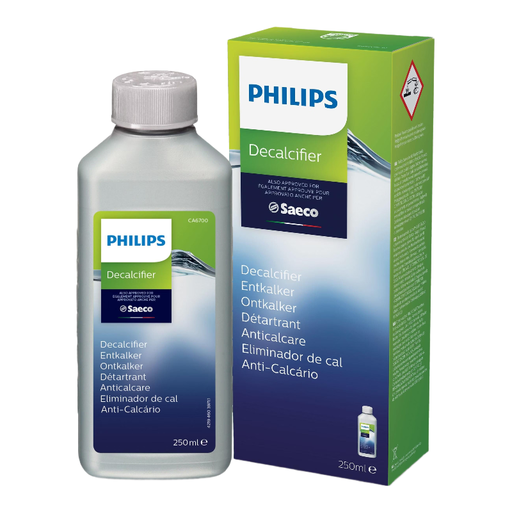
Why This Fits Their Persona: Ideal for owners of a Philips or Saeco espresso machine who want to maximise their appliance's performance and lifespan by following the manufacturer's recommendations.
This product bypasses the "all-in-one" pitfall. Its formula is specifically developed for the materials used in Philips and Saeco machines, minimising the risk of damage to sensitive components.
Ensures effective limescale removal and helps maintain the machine's warranty. The liquid form is easy to dose according to the appliance's instructions.
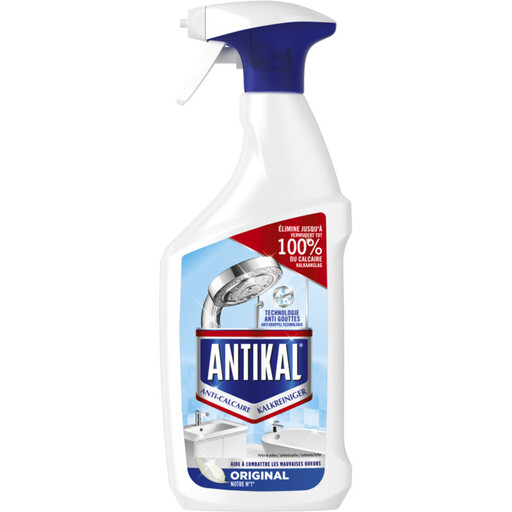
Why This Fits Their Persona: For those seeking a reliable and powerful solution for quickly and effectively removing limescale in the bathroom, from shower doors to faucets.
This product avoids the pitfall of a weak formula. Antikal is known for its powerful action, so you don't have to clean multiple times to get a shiny result.
The spray bottle is practical for treating surfaces. According to the brand, the formula creates a barrier that helps prevent new limescale buildup.
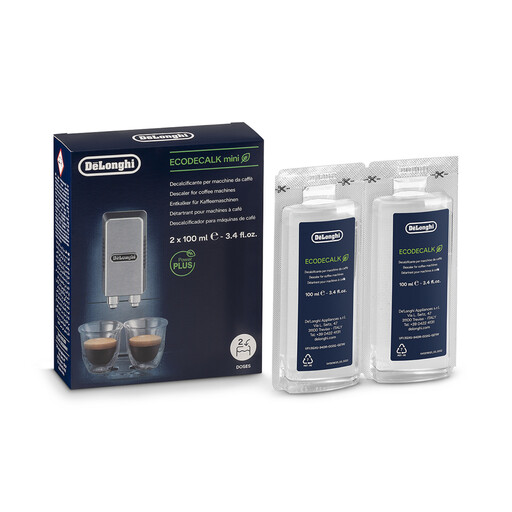
Why This Fits Their Persona: Suitable for those looking for an effective eco-friendly descaler for their coffee machine, without compromising on cleaning power.
This product goes beyond vague "eco" claims. De'Longhi specifies that it uses only natural, plant-based, and biodegradable ingredients. The packaging is made from 50% recycled plastic.
According to De'Longhi's lab tests, this product is highly effective. It is suitable for all coffee machines, making it a versatile and responsible choice.
We have compiled a complete, up-to-date list of products that meet these selection criteria and comply with current safety regulations.
The frequency depends on the water hardness in your area and how often you use the appliance. Most modern coffee machines will display a notification when it's time for a descaling cycle. As a general guideline, you can aim for every two to three months. Always consult your device's manual for specific advice.
For coffee machines, using vinegar is generally not recommended. The acetic acid can be too aggressive and damage the rubber seals and aluminium components inside the appliance. Furthermore, it can leave an unpleasant aftertaste that is difficult to remove. It might work for descaling a kettle or simple surfaces like tiles, but a specific limescale remover is often more effective and safer for your appliances.
No, absolutely not. A bathroom descaler contains chemical substances that are not suitable for consumption and can be harmful to your health. For appliances that come into contact with food or beverages, such as a kettle or coffee machine, only use a descaling agent that is explicitly labeled as food-safe.
