
Vandaag of morgen in huis

Kwaliteit gegarandeerd

Welkomstaanbiedingen ontgrendelen: GRATIS bezorging | Tot 80% korting | Gratis 30 dagen JoyPlus-proefperiode
Download de app
A good curry sauce can transform a weeknight meal into something special. But the supermarket shelves are packed with jars, packets, and pouches, all promising convenience and authentic flavour. The reality is often different. Many home cooks fall into the same traps, leading to disappointing meals and wasted money. Before you make a choice, it's helpful to know what to look for.
The marketing often oversells the product. Here are two common problems you might encounter:
To avoid a bad purchase, you can look for a few objective features. These specifications will help you find a product that matches your needs for flavour and preparation time.
The foundation of your dish starts with choosing the right type of product. Each serves a different purpose:
Curry is an umbrella term for many different dishes. The origin largely determines the flavour:
By knowing which flavour profile you're looking for, you can make a more informed choice and avoid any surprises.
Below are some popular choices, tailored to different needs and cooking styles. This selection is based on product specifications and intended use cases.

Why This Fits Their Persona: Perfect for anyone who wants to put a familiar and flavourful meal on the table quickly after a long day at work. No fuss—just a jar of sauce, add chicken, and serve with rice.
This is clearly a ready-to-use curry sauce. No confusion about preparation. The mild, sweetish flavour is predictable and aimed at a broad audience, which avoids the pitfall of an unexpectedly "authentic" (and perhaps too spicy) taste.
Extremely fast preparation time. The sauce is already filled with vegetables, pineapple, and raisins. Suitable for 3 to 4 people.
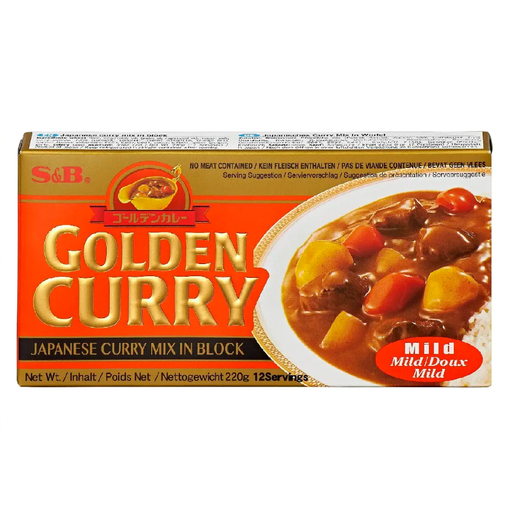
Why This Fits Their Persona: For those who want to discover the unique flavour of Japanese curry. This product provides an authentic base while giving you the freedom to add fresh vegetables and meat or a vegetarian option.
This isn't a vague "curry," but a specific product: a Japanese curry roux. You know exactly what flavour profile to expect. The packaging clearly explains that you need to dissolve the blocks, which prevents confusion about preparation.
Provides an authentic, mild, and slightly sweet Japanese curry base. The block form is easy to portion. Very versatile for use with rice, noodles, or even as a sauce for katsu.
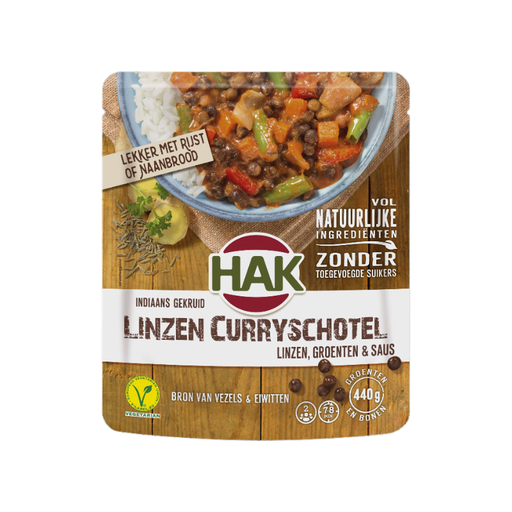
Why This Fits Their Persona: A nutritious, plant-based, and quick meal. This vegetarian curry is based on lentils and vegetables, fitting a conscious lifestyle without compromising on convenience.
This product is transparent about its contents. It's a complete meal base, so there's no confusion. According to the manufacturer, HAK, it contains no added sugars and is low in fat, which bypasses the pitfall of hidden unhealthy additives.
Ready-to-eat, just needs to be heated. A source of fibre and protein. Contains 340 grams of legumes and vegetables per serving.
We've compiled a complete, up-to-date list of products that meet these selection criteria and current regulations.
Although they all serve as a flavour base, their form is different. Curry paste (often Thai or Indian) and boemboe (Indonesian) are wet, concentrated pastes of herbs, spices, and often oil. Curry powder is a dry mixture of ground spices. Pastes often have a more intense and fresh flavour because the ingredients are not fully dried.
A simple way to elevate a jarred sauce is by adding fresh ingredients. First, sauté a chopped onion and some garlic in the pan before adding the sauce. A bit of fresh ginger, a splash of lime juice, or some fresh coriander at the end can significantly enhance the flavour.
Generally, Japanese curry is much milder than most Indian or Thai varieties. The flavour is more savoury and slightly sweet. However, different heat levels are available, usually indicated as 'Mild', 'Medium Hot', and 'Hot'. If you don't like spicy food, the mild version is a safe bet.
