
Vandaag of morgen in huis

Kwaliteit gegarandeerd

Welkomstaanbiedingen ontgrendelen: GRATIS bezorging | Tot 80% korting | Gratis 30 dagen JoyPlus-proefperiode
Download de app
Searching for that perfectly smooth, creamy peanut butter without any crunchy bits? Whether you're making a sandwich, blending a smoothie, or preparing a satay sauce, the right creamy peanut butter can make all the difference. The selection is vast, however, ranging from Dutch classics to American imports. To help you choose, we've compiled a guide to popular options and practical tips, ensuring you find the perfect jar for your taste and needs.
Before we dive into the products, here are a few key factors to make your choice easier.
The foundation of peanut butter is simple: peanuts. The differences lie in the additives. Pay attention to the sugar and salt content, especially if you eat peanut butter daily. Some brands use vegetable oils like rapeseed, soy, or palm oil to create an extra-creamy texture. The protein content is particularly interesting for athletes and can vary by brand. A quick look at the label will give you all the information you need.
There's a noticeable difference in taste and texture. Dutch peanut butter, like the well-known Calvé peanut butter, often has a pure, roasted peanut flavor. American peanut butter from brands like Jif or Skippy is typically sweeter and has an even smoother, almost velvety texture. This is often due to additives like molasses or a different ratio of sugar and oil.
Even within the creamy peanut butter category, there are variations. Some are ground completely smooth for a silky experience. Others, like the creamy version of Calvé, are described as "creamy to the bottom" but still contain very finely ground peanuts, which provides a slightly different mouthfeel.
Below is a selection of popular creamy peanut butters, each with its own unique characteristics.
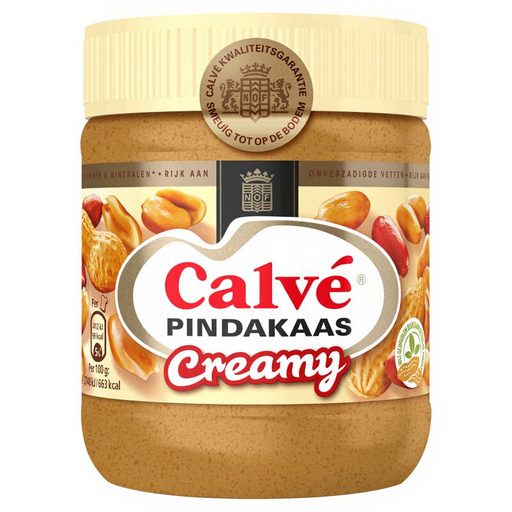
Why It Stands Out This is the familiar taste many in the Netherlands grew up with. Calvé Creamy Peanut Butter is a classic on the breakfast table. According to the manufacturer, Unilever, this product is a source of fiber, vitamins, and minerals and is suitable for a vegan diet. The texture is smooth, yet it retains the recognizable flavor that comes from its ground peanuts.
Pros
Who Is It For? Families and anyone who grew up with the classic Dutch peanut butter flavor. It's also a great choice for those looking for a reliable base for recipes.

Why It Stands OutJif peanut butter is one of the most famous brands in the United States. This peanut butter is known for its extremely smooth texture and slightly sweet flavor, which is enhanced by the addition of molasses. It's a classic example of American peanut butter.
Pros
Who Is It For? Fans of American products and anyone looking for an extra creamy peanut butter with a slightly sweet undertone. Ideal on toast, in desserts, or straight from the spoon.

Why It Stands OutSkippy peanut butter is another American favorite known for its rich peanut flavor. According to the product information, this peanut butter is made from 91% roasted peanuts, which provides an intense taste. The texture is soft and spreadable, perfect for a wide range of uses.
Pros
Who Is It For? Athletes looking for a protein-rich spread, as well as bakers and cooks who want to use a peanut butter with a high peanut content and a rich flavor.
If none of these jars are quite what you're looking for, or if you're curious about other spreadable treats like almond butter or cashew butter, there are many more options to discover.
Explore our full range of creamy nut butters
The main difference lies in the ingredients and flavor. Dutch peanut butter often focuses on a pure, roasted peanut taste with minimal additives. American peanut butter, such as Skippy peanut butter or Jif peanut butter, often contains more sugar (or molasses) and other types of vegetable oils, resulting in a sweeter taste and a smoother, more homogenous texture.
Peanut butter is naturally rich in protein and unsaturated fats. Its healthiness depends on the additives. Varieties with high amounts of added sugar, salt, or hydrogenated fats are a less healthy choice for daily consumption. Therefore, always read the label to find a product that fits your dietary needs.
A layer of oil on natural peanut butter is normal; this is the natural oil from the peanuts separating. You can prevent this by turning the jar upside down occasionally or by simply stirring the oil back in thoroughly before use. Storing the jar upside down in the pantry can also help.
