
Vandaag of morgen in huis

Kwaliteit gegarandeerd

Welkomstaanbiedingen ontgrendelen: GRATIS bezorging | Tot 80% korting | Gratis 30 dagen JoyPlus-proefperiode
Download de app
A compact electric bike is a significant investment. You might be looking for a model that's agile in the city, easy to bring along in your camper van, or comfortable for daily errands. The market offers a vast array of choices, but the specifications can be overwhelming. This article will help you make an informed decision by focusing on the key features that truly matter.
To make the right choice, it's helpful to understand a few technical aspects. These criteria will enable you to compare models objectively.
The motor's location significantly impacts the riding experience.
The range indicates how far you can ride on a full battery. Manufacturers often state a maximum distance, such as "up to 110 km". This figure is based on ideal conditions: a lightweight rider, flat terrain, no wind, and the lowest assistance level. In reality, the range is affected by your weight, tyre pressure, weather, and the selected assistance mode. A removable battery is practical for charging and helps protect against theft.
A small electric bike often features 20-inch wheels. Smaller wheels make a bike more agile and compact, ideal for city use or storage. The notion that smaller wheels are less comfortable is not always true. Comfort depends more on other components, such as:
For those who want to take their bike on the go, weight and dimensions are crucial. An e-bike for your camper van or caravan must not only be compact but also have a manageable weight. Folding bikes offer a clear solution here. Pay attention to the folding mechanism: how quickly and easily can the bike be folded? Also, check the maximum load capacity of the bike and any luggage racks.
Below is a selection of models that stand out for their specifications and functionality, suited for various use cases.
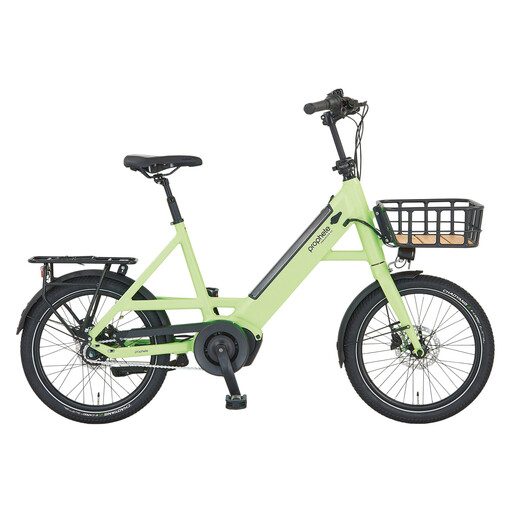
Why this product: The Prophete Urbanicer 3.0 is a versatile urban electric bike that combines a compact design with the performance of a full-featured e-bike. It's a practical solution for both daily use and recreational rides.
Advantages:
Who it's for: Ideal for urban commuters seeking an agile and powerful bike. It's also an excellent choice for camper and caravan owners due to its compact size. The step-through-style geometry makes it accessible to a wide audience.
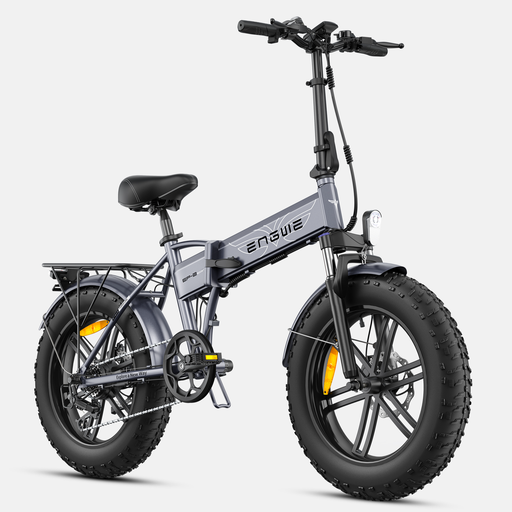
Why this product: The Engwe EP-2 Boost is designed for adventure and versatility. Its foldable frame combined with wide tyres makes it suitable for a variety of terrains.
Advantages:
Who it's for: For the rider who doesn't want to be limited to asphalt. Suitable for recreational use on varied terrain and for anyone looking for a robust, foldable e-bike.
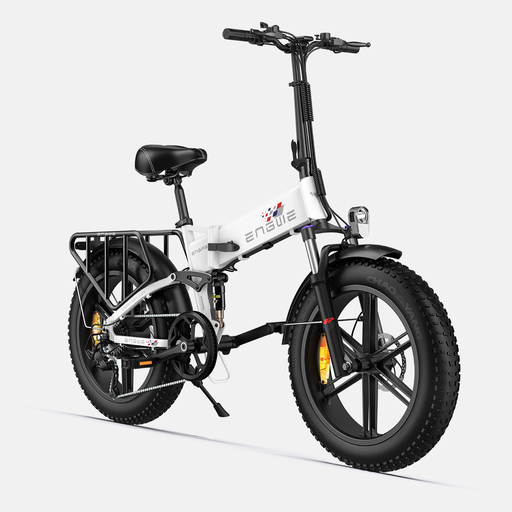
Why this product: Like the EP-2, the Engwe Engine X combines a foldable design with wide tyres, but with a greater focus on a robust build and a powerful aesthetic.
Advantages:
Who it's for: Users looking for a foldable e-bike that makes no compromises on robustness and performance on unpaved roads.
The bikes mentioned above are focused on commuting and transport. If your primary goal is to stay fit regardless of the weather, and the journey itself is less of a priority, an at-home solution might be a practical consideration. With an Indoor Bike or a bike trainer, you can work out whenever you want, without being dependent on external factors.
1. What is the advantage of a compact e-bike with 20-inch wheels? An e-bike with 20-inch wheels is typically more agile and lighter than a model with larger wheels. This makes it ideal for navigating busy city traffic and for easy storage in an apartment, shed, or camper van.
2. Is an e-bike with a mid-drive motor better? An e-bike with a mid-drive motor is often considered 'better' because the weight distribution is optimal and the assistance feels very natural. The system is more efficient and performs well on hills. However, front-hub and rear-hub motors are often more affordable and can be an excellent choice for flat terrain and urban use.
3. How far can I ride on a compact electric bike? The range heavily depends on the battery capacity (measured in Watt-hours, Wh) and various external factors. Most compact e-bikes offer a realistic range of between 40 and 80 kilometres, depending on the assistance level, terrain, and rider's weight. The maximum range claimed by manufacturers is typically only achievable under the most ideal conditions.
