
Vandaag of morgen in huis

Kwaliteit gegarandeerd

Welkomstaanbiedingen ontgrendelen: GRATIS bezorging | Tot 80% korting | Gratis 30 dagen JoyPlus-proefperiode
Download de app
A good colander is an indispensable tool in any kitchen. Whether you're draining pasta, washing vegetables, or rinsing rice, the right tool makes the job much easier. Yet, the selection is overwhelming, and pitfalls lurk. A model that rusts after three uses, a plastic colander that melts from hot pasta water, or an unstable design that sends your entire meal down the drain. Sound familiar?
As a Joybuy Product Recommendation Officer, I'll help you cut through the marketing jargon. We'll look at what really matters, so you can choose a colander that will last for years and perfectly fit your kitchen routine.
Before you make a choice, it's good to know where things often go wrong. Many colanders look fine in the store but quickly show their flaws in practice.
To avoid the problems above, focus on a few key specifications. These determine the durability and ease of use of your colander.
The material is the most important factor for its lifespan.
Think about how you will use the colander. The shape and type are just as important as the material.
Not everyone needs the same thing. Below are a few options, tailored to specific user profiles.

Why This Fits Their Persona: Ideal for those who want a tidy countertop. This extendable colander fits over most sinks, allowing you to wash fruits and vegetables while the water drains directly. It keeps your hands free and your countertop dry.
The design hangs above the sink floor, so it won't tip or sit in a puddle of water. Made of 304 stainless steel, so there are no worries about rust.
Multifunctional: can be used as a colander, but also as a dish drying rack. The frame is adjustable (29-44 cm) for a secure fit.
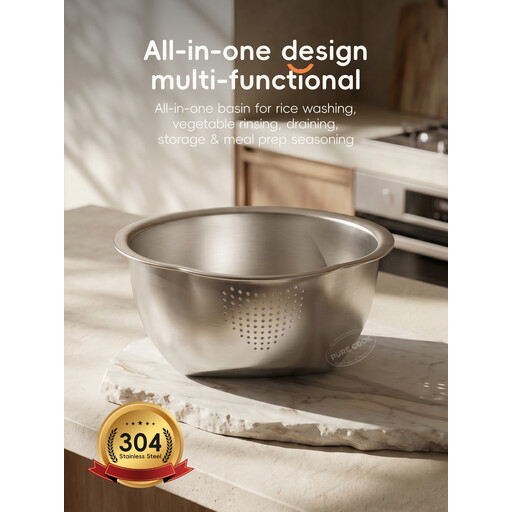
Why This Fits Their Persona: Anyone cooking for a whole family needs capacity. This large, robust colander is perfect for draining a big pot of pasta or potatoes, or washing a large quantity of vegetables.
The wide, angled base provides excellent stability and prevents tipping. It's made from food-grade 304 stainless steel, which resists rust and corrosion, even with heavy use.
The closely spaced holes ensure quick drainage without letting small pieces of food escape. The smoothly polished edges prevent scratches and are safe to handle.
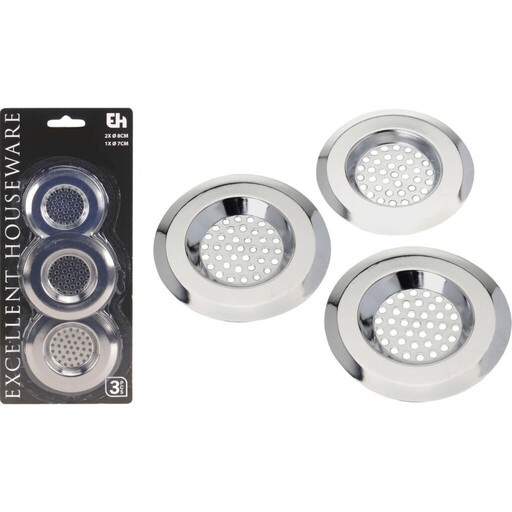
Why This Fits Their Persona: For those who hate food scraps in the sink and want to prevent clogs. This isn't a colander for cooking, but a permanent solution to keep the drain clean.
This is a purely functional purchase. It does one thing well: catching food debris. The stainless steel material is hygienic, doesn't rust, and is easy to empty and clean.
Fits most standard sink drains (8 cm diameter). The set of three offers excellent value for money, and you'll always have a spare.
We have compiled a complete, up-to-date list of products that fully meet these strict selection criteria and quality standards.
Although the terms are often used interchangeably, there is a functional difference. A colander typically has larger, perforated holes and is used for quickly draining water, such as from pasta or cooked vegetables. A sieve (or fine-mesh sieve) has a fine mesh and is intended for separating finer particles, like sifting flour, rinsing quinoa, or creating a smooth sauce.
Most stainless steel colanders are dishwasher-safe. For hand washing, use warm water, a soft brush, and dish soap. Rinse well and dry the colander to prevent water spots. Avoid abrasive sponges, as they can scratch the surface.
This depends on the type of plastic. Always check the manufacturer's product information. Many modern plastic (PP) colanders are top-rack dishwasher-safe. However, never place them near the heating element to prevent warping.
