
Vandaag of morgen in huis

Kwaliteit gegarandeerd

Welkomstaanbiedingen ontgrendelen: GRATIS bezorging | Tot 80% korting | Gratis 30 dagen JoyPlus-proefperiode
Download de app
A good colander is indispensable in any modern kitchen. Whether you're draining pasta, washing vegetables, or rinsing rice, the right tool makes the job easier. However, choosing one is often trickier than it seems. Many colanders look fine in the store but prove to be clumsy, break quickly, or become a source of frustration in practice. Before you purchase a new colander, it's helpful to know where the most common pitfalls lie.
Many buyers fall into these three traps:
By paying attention to a few key specifications, you can easily avoid these problems and choose a model that will last for years.
A functional colander depends on more than just its color. The following three points are crucial for a good purchase.
The material determines the durability, maintenance, and intended use of the colander.
A practical design prevents daily annoyances.
Not every colander is suitable for every task. Sometimes a specialized tool is more convenient.
Based on these practical criteria, we have selected a number of products that suit different user profiles.
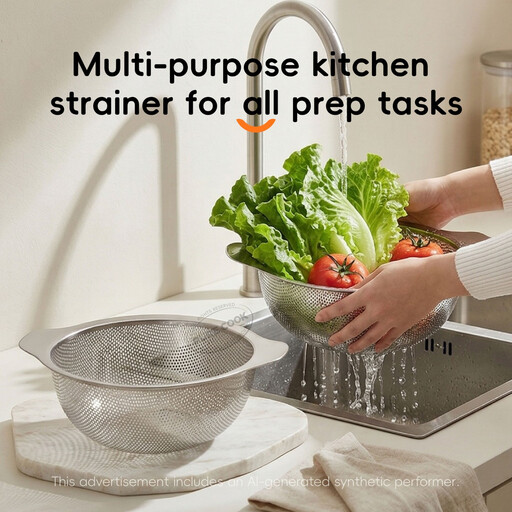
Why This Fits Their Persona: Ideal for handling larger quantities, like a pot of pasta for the whole family or washing a head of lettuce. Its sturdy construction and size make it a kitchen workhorse.
Made from food-grade stainless steel, so there are no worries about rust or cracking plastic. The integrated handles are part of the construction and cannot come loose. The dense, uniform holes ensure rapid drainage.
Durable and versatile. Thanks to its design, it can also be placed directly on the table as a fruit bowl.

Why This Fits Their Persona: Perfect for those living in an apartment or who simply want a tidy countertop. This extendable colander adjusts to fit the sink and is compact to store.
It solves the 'wrong size' problem with its adjustability. It rests stably on the edges of the sink, preventing it from tipping over. Made of 304 stainless steel for a long lifespan.
Space-saving and fits most sinks. Ideal for washing vegetables and letting dishes drain.
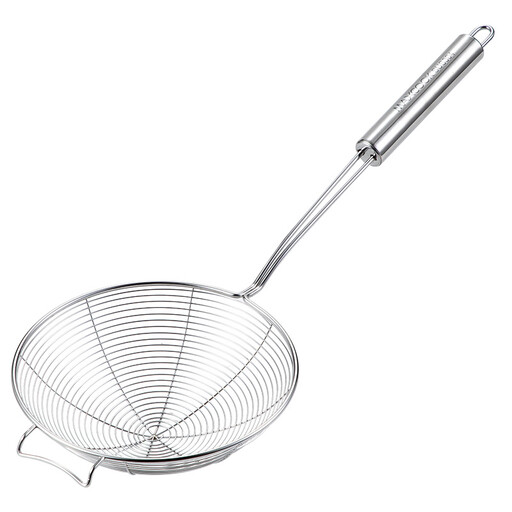
Why This Fits Their Persona: For those who regularly fry, blanch, or cook in large pots with hot liquid. This skimmer offers control and safety when scooping food.
The hollow, heat-insulating handle prevents the risk of burned hands, a common problem with metal kitchen utensils. The convenient hook for hanging on the pot prevents messes.
Safe and efficient for frying and scooping. Made of durable 304 stainless steel and easy to clean.
We have compiled a complete, up-to-date list of products that meet these strict selection criteria and usage standards.
A colander typically has larger, perforated holes and is designed for quickly draining water from things like pasta and boiled vegetables. A kitchen sieve has a much finer woven mesh and is used for tasks requiring more precision, such as sifting flour, powdered sugar, or filtering sauces for a smooth texture.
A high-quality stainless steel colander, often designated as 18/8 or 304 stainless steel, is highly resistant to rust. However, no steel is 100% rust-proof. Cheaper metals or lower-quality stainless steel can develop rust spots over time, especially with prolonged exposure to moisture or acids. It is advisable to dry your metal sieve thoroughly after washing to maximize its lifespan.
Most modern stainless steel and plastic colanders are dishwasher-safe. For a thorough cleaning, especially with fine-mesh sieves where food particles can get stuck, hand washing with a dish brush and warm water is often more effective. Rinse the colander immediately after use to prevent starches (from pasta or rice) or other residues from drying and caking in the holes.
