
Vandaag of morgen in huis

Kwaliteit gegarandeerd

Welkomstaanbiedingen ontgrendelen: GRATIS bezorging | Tot 80% korting | Gratis 30 dagen JoyPlus-proefperiode
Download de app
A colander might seem like one of the simplest tools in the kitchen—until you buy the wrong one. A model that shows rust spots after three uses, sends your freshly cooked pasta down the drain, or is impossible to clean. Choosing the right one isn't a matter of luck, but of knowing what to look for. As a Product Recommendation Officer at Joybuy, I'll help you ignore the marketing jargon and focus on what truly matters.
Before you make a choice, it's wise to recognize the most common problems. Many models look great in the store but fail in practice.
To avoid the pitfalls above, focus on three concrete features. These determine the quality and usability of your colander or sieve.
The term "stainless steel" isn't enough. Look for specifications like 304 stainless steel or 18/8 stainless steel. This is a food-safe alloy with higher resistance to rust and corrosion. It's more durable, doesn't absorb odours or colours, and is the standard in many professional kitchens. A product made from this material is an investment in durability.
A good colander stands firm. Look for the following two designs:
The size of the openings determines what you can use the tool for.
Based on these criteria, we have selected a number of products that suit different needs and kitchens.
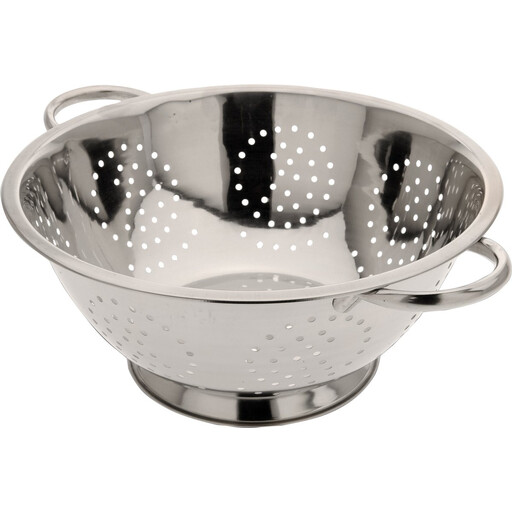
Why This Fits Their Persona: Ideal for those seeking a reliable, no-nonsense colander for daily tasks like draining pasta and washing vegetables. A solid foundation for any kitchen setup.
This model has a wide base that minimizes the tipping hazard. The stainless steel material is a clear upgrade from cheap plastic that can discolour or melt.
Stable design with handles for safe use. Dishwasher-safe, which simplifies cleaning.

Why This Fits Their Persona: Perfect for those who value a tidy countertop and smart, space-saving solutions. This drainer basket adapts to your sink and is multifunctional.
Made from food-grade 304 stainless steel, which directly addresses the rust trap. The extendable design that rests on the sink edges is inherently stable and prevents tipping.
Flexible and space-saving due to its extendable design. Hygienic in use because food does not touch the bottom of the sink.
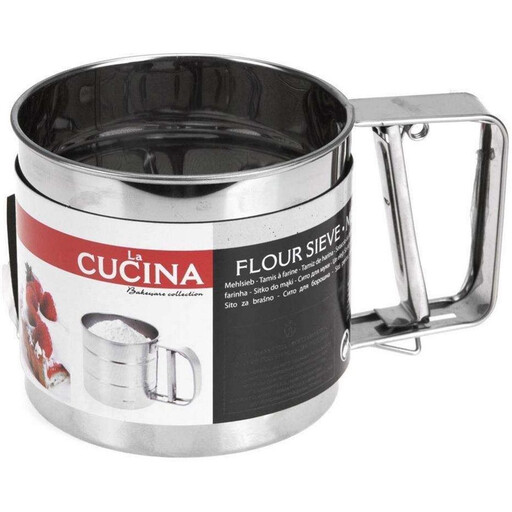
Why This Fits Their Persona: For the baking enthusiast who knows that sifting flour and powdered sugar makes all the difference. This isn't a general colander, but a specialized tool for a perfect result.
This is the right tool for the job. It prevents the frustration of trying to sift flour with a pasta colander, which leads to lumps and a mess.
The fine mesh is specifically designed for flour and powdered sugar. The mechanism makes it easy to operate with one hand.
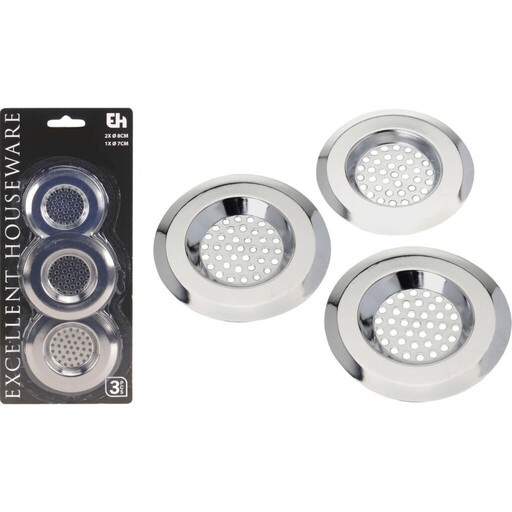
Why This Fits Their Persona: For anyone who hates a clogged drain. This isn't a colander for cooking, but an essential tool to keep the kitchen clean and functional.
This product prevents the bigger problems of clogs and the associated costs and mess. It's a small, preventative purchase that saves a lot of trouble.
A set of 3 offers excellent value. Made of stainless steel and dishwasher-safe for easy cleaning.
We've compiled a complete, up-to-date list of products that meet these selection criteria and quality standards.
Although the terms are often used interchangeably, there is a functional difference. A colander typically has larger, perforated holes and is used for draining large amounts of water, such as from pasta or boiled vegetables. A sieve has a finer metal mesh and is intended for tasks that require more precision, like separating solids from liquids (straining a sauce), washing fine grains, or sifting flour.
For most stainless steel models, the dishwasher is a great option. However, always check the product information. For a fine-mesh sieve, it's recommended to rinse it with a strong stream of water immediately after use to prevent food particles from drying and getting stuck. A dish brush can help with stubborn residue.
Both materials have their advantages. Plastic is often lighter and cheaper, but it can discolour over time, retain odours, or even melt if it comes into contact with a hot pan. Stainless steel, and specifically 304 stainless steel, is significantly more durable, heat-resistant, hygienic, and easier to keep clean. For long-term and intensive use, stainless steel is generally the better choice.
