
Vandaag of morgen in huis

Kwaliteit gegarandeerd

Welkomstaanbiedingen ontgrendelen: GRATIS bezorging | Tot 80% korting | Gratis 30 dagen JoyPlus-proefperiode
Download de app
The aroma of freshly ground coffee beans is, for many, the perfect start to the day. You invest in high-quality coffee beans, yet your homemade brew doesn't quite taste like the one from your favourite café. Chances are, the culprit isn't the bean, but the grind. A good coffee grinder is the crucial link between an ordinary and an exceptional cup of coffee.
But the coffee grinder market is full of pitfalls. Many people fall into them, ending up with a device that does more harm than good. These are the most common mistakes:
A bad purchase is a waste of your money and your coffee. Let's explore how to prevent this by focusing on the right specifications.
Before you buy a coffee bean grinder, there are a few technical aspects that make all the difference. By focusing on these, you can filter out the marketing fluff and choose a device that truly performs.
This is the single most important component. There are two types:
A burr grinder is the smarter choice for anyone who takes their coffee's flavour seriously.
The ideal grind size depends on your coffee maker. A good electric coffee grinder or a quality manual coffee grinder offers the ability to set the fineness precisely. Here is a general guideline:
espresso beansA grinder with clear and consistent grind settings gives you the freedom to experiment and create the perfect cup for your taste.
Look at the materials of the grinding burrs and the housing. Stainless steel (S/S) and ceramic are durable choices for burrs. They stay sharp for a long time and don't affect the coffee's taste. A metal housing is generally sturdier and more stable than an all-plastic model, contributing to a longer lifespan.
To help you choose, we've matched some popular models to different user profiles.
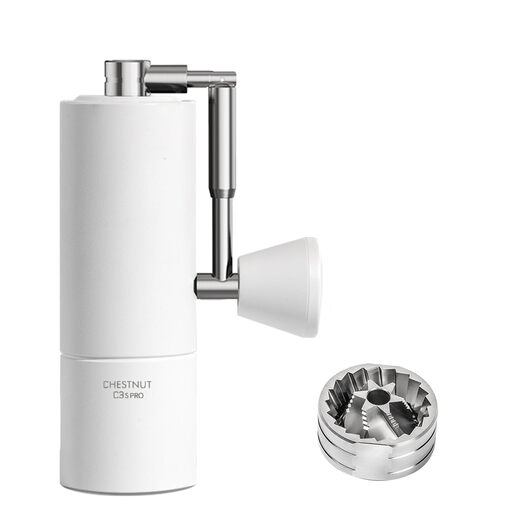
Why This Fits Their Persona: Ideal for those switching from pre-ground coffee who want to experience a noticeable difference in taste immediately. This manual coffee grinder offers precision without the high cost of an advanced electric model. Perfect for home or on the go.
This model uses stainless steel conical burrs (S2C) that grind the beans consistently, unlike the unpredictable blades of cheaper alternatives.
Offers a very precise, adjustable grind size for various brewing methods. The build quality is high, with a metal body and a foldable handle.
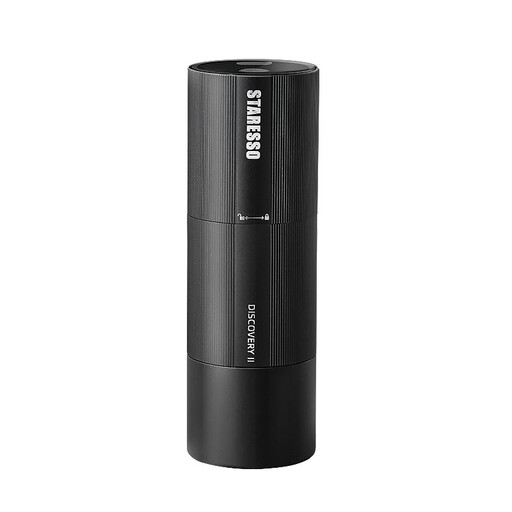
Why This Fits Their Persona: For those who want the quality of a burr grinder without the effort of manual grinding. This compact, rechargeable model is ideal for a quick, fresh grind in the morning, at the office, or even while camping.
It combines the convenience of electric grinding with the consistency of a stainless steel burr grinder. The adjustable grind size gives you control, something simple electric blade grinders don't offer.
One-button operation, rechargeable via Type-C, and a full metal body for durability. Suitable for everything from espresso to French press.
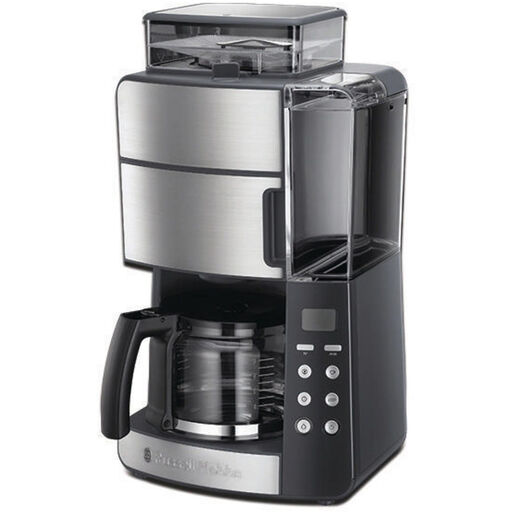
Why This Fits Their Persona: For those looking for maximum convenience. This is an all-in-one coffee maker with a built-in grinder. You fill it with water and your favourite coffee beans, like the G'woon Roodmerk, and the machine does the rest.
This appliance solves the problem of having to buy and store two separate devices. The integrated grinder is designed to grind immediately before brewing.
Fully automatic: grinds and brews coffee in a single cycle. The coffee strength and quantity are adjustable, and the device features a digital timer.
Of course, the right bean is just as important as the grind. For a powerful espresso, you might consider the L'OR Espresso Fortissimo or Lavazza Espresso Barista Intenso. We have compiled a complete list of products that meet these selection criteria.
How often should I clean my coffee grinder? For optimal flavour, it's recommended to clean your coffee grinder weekly. Old coffee grounds and oils can build up and negatively affect the taste of your fresh beans. Use a small brush to wipe the burrs and the collection bin. Avoid using water near the electrical components and the grinding mechanism unless the manual states otherwise.
What grind size do I need for my coffee? This depends entirely on your brewing method. As a rule of thumb: the shorter the contact time between water and coffee, the finer the grind. For a quick espresso, you need a fine grind, whereas for a French press, where the coffee steeps for several minutes, a coarse grind is better. Experiment with small adjustments to find the perfect setting for your taste.
Is a manual coffee grinder better than an electric one? Not necessarily "better," but different. A high-quality manual coffee grinder can produce a very consistent grind, is often cheaper, quieter, and portable. An electric coffee grinder primarily offers convenience and speed, which is ideal if you make coffee often or have little time in the morning. The choice depends on your budget, lifestyle, and how much effort you want to put into your cup of coffee.
