
Vandaag of morgen in huis

Kwaliteit gegarandeerd

Welkomstaanbiedingen ontgrendelen: GRATIS bezorging | Tot 80% korting | Gratis 30 dagen JoyPlus-proefperiode
Download de app
Coconut water is a popular and refreshing thirst-quencher. Whether you drink it after a workout, mix it into a smoothie, or enjoy it chilled straight from the carton on a warm day, the selection in the supermarket is vast. But not every carton with a palm tree on it is created equal. The labels can be confusing, and it's easy to choose a product that doesn't meet your expectations.
Before you decide which coconut water to buy, it's helpful to be aware of a few common pitfalls. This will prevent you from paying for a sugary drink when you were looking for a natural hydrator.
coconut drink or coconut juice is often very different from pure coconut water.To be confident in your choice, there are a few specifications you can check directly on the packaging. This will help you see through the marketing jargon and choose a product that aligns with what you're looking for.
The most reliable indicator of quality is the ingredient list. If you're looking for pure coconut water, the list should ideally contain only one ingredient: 100% coconut water. Sometimes, a small amount of an antioxidant (like ascorbic acid/vitamin C) is added to preserve the colour, which is acceptable. Be wary if sugar, fructose, syrup, or "natural flavours" appear high on the list. These are signs that the product has been processed and deviates from its pure form. For those who want to go the extra mile, organic coconut water is an option where the coconuts are grown without synthetic pesticides.
All coconut water naturally contains a small amount of sugar (usually around 4-5 grams per 100 ml). This is normal. The problem arises with added sugars. Look at the "Carbohydrates" section on the label, specifically "of which sugars." Compare this number with the ingredient list. If sugar is listed as a separate ingredient, you know the sweetness isn't entirely natural. For athletes seeking a drink with electrolytes for hydration, added sugars are often undesirable. Brands like Foco and Chaokoh offer pure varieties, but also sweetened versions, so always read the specific label.
Coconut water is typically sold in cartons (Tetra Pak) or cans. Cartons protect the contents well from light, which helps preserve the flavour and nutrients. Cans are convenient on the go. The origin, often Thailand or Vietnam, can be an indicator of taste. Thai coconuts, like those often used by Chaokoh and Foco, are known for their naturally sweet and nutty flavour.
Based on these objective criteria, we have selected a few products that cater to different needs and preferences.
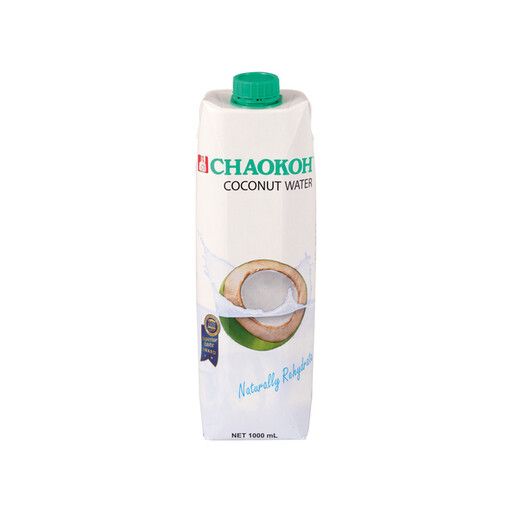
Why This Fits Their Persona: For those seeking the pure, unprocessed taste of coconut water. Ideal for daily hydration, as a base for healthy smoothies, or for anyone following a dairy-free diet and looking for a clean beverage.
This product is exactly what it claims to be: 100% coconut water. No added sugars or unnecessary additives, allowing you to completely avoid the "hidden sugar" trap.
Contains only 100% coconut water. The taste is pure and naturally sweet, sourced from Thai coconuts.
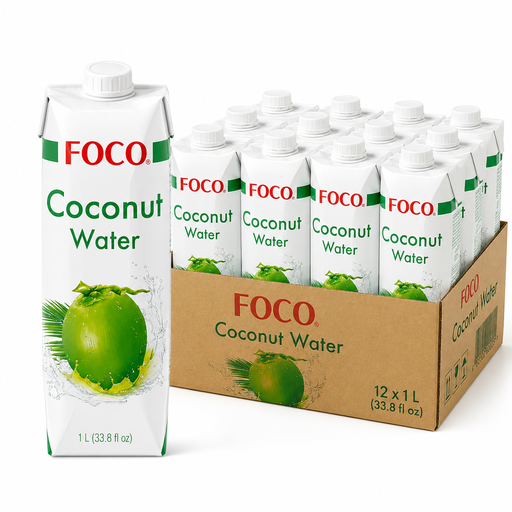
Why This Fits Their Persona: Ideal for families or athletes who drink coconut water regularly. A bulk pack is practical and cost-effective, ensuring you always have a supply for post-workout hydration or as a healthy drink for the whole family.
This is pure coconut water, not from concentrate. It delivers natural electrolytes like potassium without the unnecessary sugars found in sports drinks, making it a functional choice for recovery.
Value pack (12x1L) at a competitive price. 100% natural and free from added sugars or preservatives.
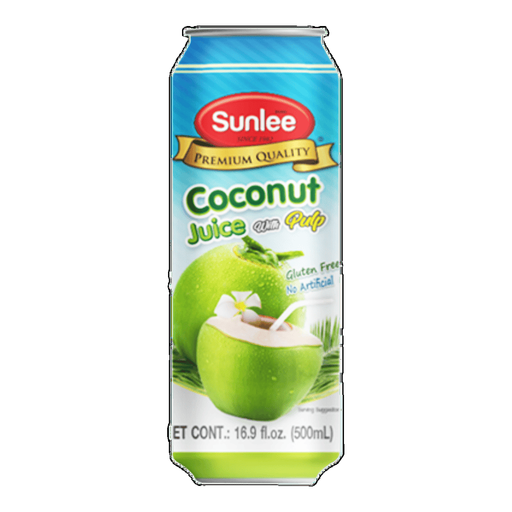
Why This Fits Their Persona: For those looking for a beverage that's more than just water. The combination of sweet coconut juice and pieces of coconut meat (pulp) provides a full flavour and an interesting texture. Perfect as a tropical treat.
This product is transparent about its contents. It calls itself a 'coconut juice', and the ingredient list clearly states sugar and coconut pulp. It doesn't pretend to be pure coconut water.
Offers a sweeter taste and a satisfying bite thanks to the added coconut pieces. A refreshing treat rather than a pure hydration drink.
We have compiled a complete, up-to-date list of products that meet these selection criteria and comply with current regulations.
Coconut water is the clear, watery liquid found in the center of a young, green coconut. It is naturally low in fat and calories. Coconut milk, on the other hand, is made by grating the white flesh of a ripe, brown coconut and mixing it with water. It is much creamier, higher in fat, and is primarily used in cooking for curries, soups, and sauces.
Coconut water in a carton is usually briefly heated (UHT treatment) to extend its shelf life. This process can slightly alter the taste compared to water straight from a fresh coconut. However, the key nutrients, such as the electrolytes potassium and magnesium, are largely retained. For convenience and shelf stability, coconut water from a carton is an excellent alternative.
Once opened, a carton of coconut water should be stored in the refrigerator. Most manufacturers recommend consuming it within 2 to 3 days to ensure freshness and taste. Always check the instructions on the packaging for the specific shelf life.
