
Vandaag of morgen in huis

Kwaliteit gegarandeerd

Welkomstaanbiedingen ontgrendelen: GRATIS bezorging | Tot 80% korting | Gratis 30 dagen JoyPlus-proefperiode
Download de app
A clean pan, a streak-free bathroom, or a spotless wall—it often starts with a simple cleaning sponge. But the shelves are filled with options. The wrong choice can lead to scratches on your new hob or a sponge that falls apart after a single scrub.
This article is a no-nonsense guide. We'll skip the marketing jargon and focus on what really matters: the material, the type of job, and durability. This way, we'll help you find the right sponge for your household.
Before you buy a sponge, it's wise to consider a few practical points. This will help you make a choice that fits your cleaning routine and the surfaces in your home.
A sponge's composition says a lot about its performance and environmental impact. A standard household sponge is often made of cellulose or plastic. For those seeking an eco-friendly sponge, there are options made from plant-based materials like viscose and coconut fibres. These are sometimes biodegradable. Synthetic sponges, such as those made from polyurethane, often last longer but are less sustainable.
Not every sponge is suitable for every job. A standard scouring sponge is effective for caked-on food in pans but can cause scratches on delicate surfaces like induction hobs or shiny taps. For those tasks, a non-scratch scouring sponge is a better choice. For specific stains, like marker on a wall or limescale in the bathroom, a magic eraser (also known as a melamine sponge) can be the solution, often without needing any cleaning agents.
Based on product specifications and intended uses, we've highlighted a few popular choices for you.
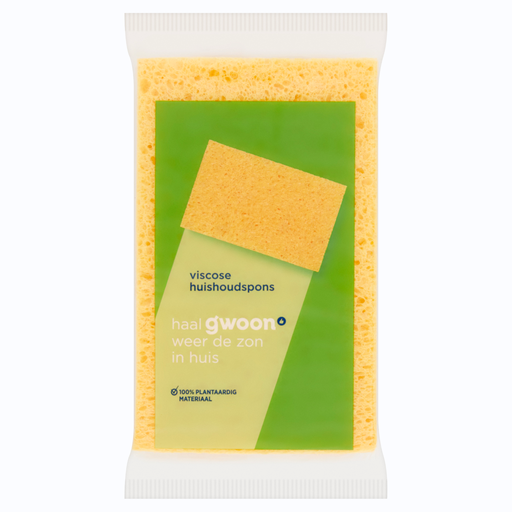
Why it stands out This sponge from G'woon is made entirely from plant-based materials. The combination of viscose and cellulose with a scouring layer of coconut fibres makes it a remarkably sustainable choice. According to the manufacturer, the product is plastic-free and biodegradable.
Advantages
Who is this for? For the eco-conscious user looking for an effective and sustainable sponge for daily dishwashing and general cleaning tasks in the kitchen.
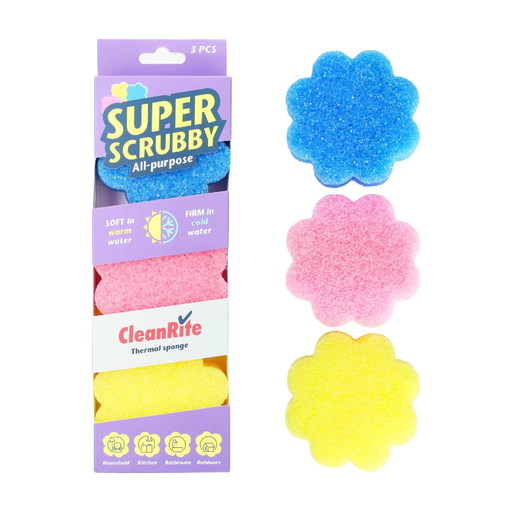
Why it stands out This scouring sponge adapts to the task at hand. According to the product information, the sponge becomes firm and powerful with cold water for tough dirt, and soft and flexible with warm water for delicate surfaces. This makes it highly versatile.
Advantages
Who is this for? For the practical user seeking a single, versatile solution. Ideal for those who want to scrub caked-on pans as well as clean a glass shower screen or stainless steel worktop without switching sponges. A great all-rounder for the kitchen and as a bathroom sponge.
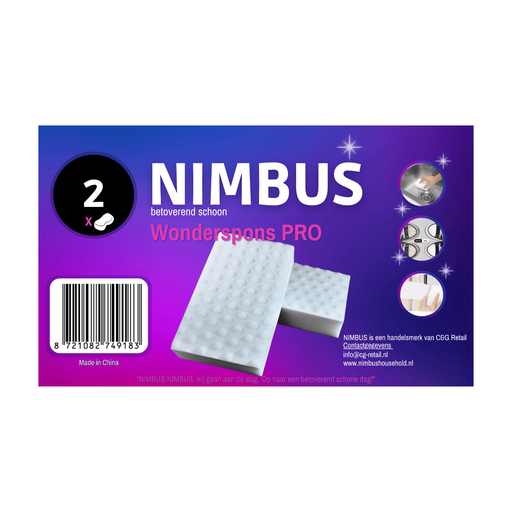
Why it stands out The Nimbus Magic Eraser PRO is a melamine sponge with double the density (16 instead of 8). According to the manufacturer, this makes it firmer and more durable than standard magic erasers. Its key feature is its ability to remove stubborn stains using only water.
Advantages
Who is this for? For anyone who wants to tackle stubborn stains and scuffs without chemical agents. Think of parents dealing with finger paint on the wall, or for refreshing white trainers and plastic garden furniture. Note: always test on an inconspicuous area first, as the sponge can leave a dull finish on glossy surfaces.
This is just a selection to get you started. Every household is different, and you might be looking for a different size, material, or type of scouring sponge. For a complete overview of all options, you can visit our category.
View all scouring sponges here
A traditional scouring sponge cleans using a rough, abrasive surface that loosens dirt. A magic eraser is made of melamine foam. This material acts like extremely fine sandpaper, 'scraping' stains from a surface on a microscopic level. That's why a magic eraser is effective against scuffs and stains, while a scouring sponge is better for caked-on grime.
Sponges can become a breeding ground for bacteria. To minimise this, it's important to rinse the sponge thoroughly with hot water after each use and allow it to dry completely. Squeeze out all excess water and place it somewhere it can air-dry. Using colour-coded sponges, like the Super Scrubbing set, helps prevent cross-contamination between areas like the kitchen and the toilet. Replace your sponges regularly.
Yes, an eco-friendly sponge can be just as effective, depending on the material and the job. Models like the G'woon Viscose Sponge use natural fibres (like coconut) for the scouring layer, which can be surprisingly powerful on grease and caked-on food. So, its effectiveness doesn't depend on whether the product is sustainable, but whether the material is right for the task.
