
Vandaag of morgen in huis

Kwaliteit gegarandeerd

Welkomstaanbiedingen ontgrendelen: GRATIS bezorging | Tot 80% korting | Gratis 30 dagen JoyPlus-proefperiode
Download de app
The cleaning cloth aisle can be overwhelming. From microfibre to bamboo, disposable to washable, which cloth do you really need for a spotless home? The wrong choice can lead to streaky windows, dust that just gets moved around, or a dishcloth that smells musty after just two days.
As a Product Recommendation Officer at Joybuy, my job is to sift through the vast selection and provide you with practical advice. In this article, I'll help you choose the right cleaning cloths for your specific needs, based on material, intended use, and key specifications.
Before we dive into the products, here are a few key points to help you make an informed decision.
The material largely determines a cloth's effectiveness.
The choice between reusable cleaning cloths and disposable ones depends on the task at hand and your personal preference.
Based on functionality and application, we've highlighted some of our most popular choices.
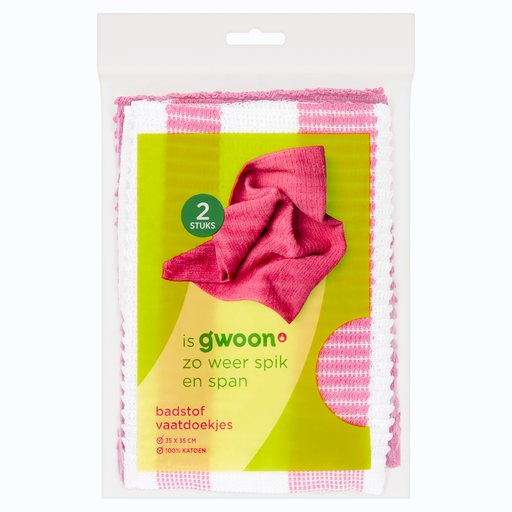
Why It Stands Out These terry dishcloths are made from bamboo fibres and are OEKO-TEX certified. What immediately stands out in the specifications is their 400% water absorption rate, making them highly suitable for kitchen use where spills are common.
Benefits
Who Is It For? These cloths are a great match for households looking for effective and sustainable cleaning cloths for the kitchen. Their high absorbency makes them a practical choice for anyone in need of a reliable dishcloth.
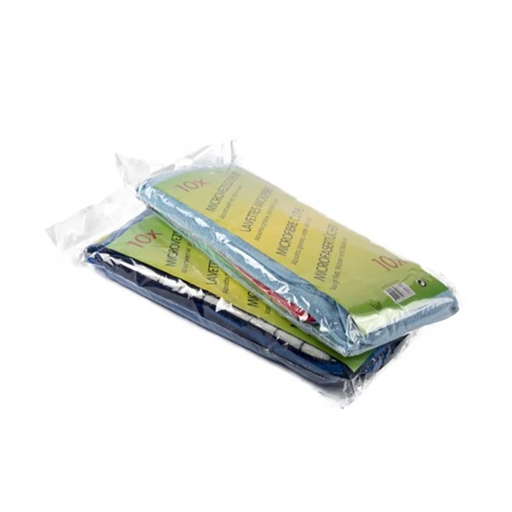
Why It Stands Out This is a versatile set of microfibre cloths in a value pack of ten. The fine microfibre structure is designed to effectively remove dust and small dirt particles, resulting in a smooth, streak-free finish.
Benefits
Who Is It For? Ideal for budget-conscious buyers and anyone looking for a multifunctional set of all-purpose cloths for the entire home. A practical starter set for any household, from cleaning the bathroom mirror to dusting the TV.
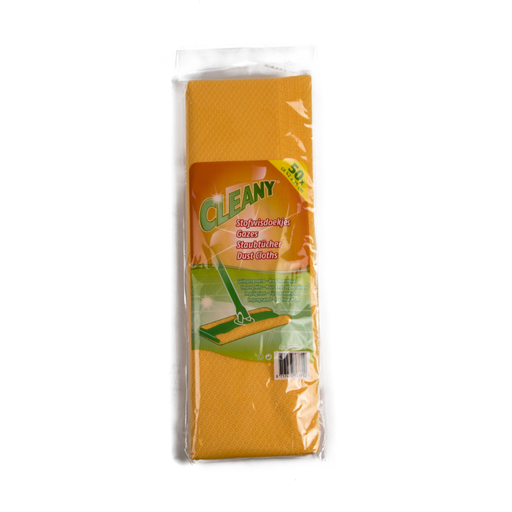
Why It Stands Out These disposable dusting cloths are specially designed for convenience and hygiene. They are impregnated with a mild adhesive and work electrostatically to attract and trap dust, hair, and fine particles. Measuring 42 x 25 cm, they fit most standard floor sweepers.
Benefits
Who Is It For? A perfect solution for households with pets or people with dust allergies. The cloths trap hair and allergens, preventing them from recirculating in the air. They are also very convenient for anyone who wants to dust hard floors quickly and without hassle.
Can't find exactly what you're looking for in this selection? Sometimes a specific task, like polishing glassware or cleaning stainless steel, requires a specialised cloth. For a wider range of cloths designed for various jobs in and around the kitchen, feel free to browse our category.
View more Microfibre Kitchen Cloths.
The main difference lies in the fibre structure. A microfibre cloth has split fibres that create a positive static charge. This allows them to attract and trap negatively charged dust and dirt particles. A traditional cotton dishcloth mainly absorbs moisture and dirt but is less effective at trapping fine dust.
For proper hygiene, it's best to machine wash reusable cleaning cloths at 60°C. An important tip: do not use fabric softener. Fabric softener leaves a coating on the fibres, which significantly reduces the effectiveness of microfibre cloths in particular. Air-dry the cloths for the best results.
Bamboo is a type of grass that grows quickly and generally requires less water and pesticides than cotton. This often makes products like bamboo dishcloths a more sustainable choice. Furthermore, according to the packaging, the MULTY G'woon cloths mentioned above are 100% biodegradable under industrial composting conditions, which adds to their environmental profile.
