
A group with different bread preferences
If some guests prefer white bread and others prefer wholemeal, you can serve two clearly different types. That way, brown bread doesn’t have to be a compromise for everyone.


If you want to serve bread made from 100% wholemeal flour, choose a loaf labelled ‘wholemeal’. According to the Netherlands Nutrition Centre, brown bread is made from a mixture of wholemeal flour and flour. If your guests have different preferences, you can also serve white bread rather than expecting one type of brown bread to be a compromise everyone will enjoy. Check the nutritional information for the products you choose, as well as the allergen information where necessary.
If some guests prefer white bread and others prefer wholemeal, you can serve two clearly different types. That way, brown bread doesn’t have to be a compromise for everyone.
Want to serve bread made exclusively from wholemeal flour? Look for the ‘wholemeal’ label. According to the Netherlands Nutrition Centre, wholemeal bread is made from 100% wholemeal flour.
If you’re hosting guests with an allergy or intolerance, check the information for the exact type of bread. For loose rolls, you can ask the seller for allergen information before you buy. The Netherlands Food and Consumer Product Safety Authority explains what information sellers must provide about non-prepacked foods.
For Christmas dinner, first distinguish between wholemeal, brown and white bread. Then decide whether one type will do, or whether you’d prefer to serve two types for guests with different preferences.
Choose this if: you’re looking for bread made from 100% wholemeal flour. According to the Netherlands Nutrition Centre, that’s what the ‘wholemeal’ label means.
Bear in mind: guests who prefer white bread may want a second option.
Choose this if: you specifically want bread made from a mixture of wholemeal flour and flour.
Bear in mind: according to the Netherlands Nutrition Centre, brown bread isn’t the same as bread made from 100% wholemeal flour.
Choose this if: guests specifically prefer white bread, for example alongside a wholemeal option.
Bear in mind: according to the Netherlands Nutrition Centre, white bread is made from flour, so it doesn’t replace the wholemeal option.
| What to consider | What to check when buying | Who it matters to |
|---|---|---|
| Ingredients | Look for the ‘wholemeal’ label if you want bread made from 100% wholemeal flour. When comparing similar breads, check the fibre and salt per 100 g. | I want to know whether the bread is genuinely wholemeal, not just brown in colour. For around 42% of consumers, the ingredients come first. |
| Guests’ preferences | Check whether the type of bread you’ve chosen suits your guests’ preferences; consider serving white bread alongside a clearly different type. | If not everyone likes the same bread, I want to offer a clear alternative. Around 33% of consumers say this choice for their guests comes first. |
| Serving and storage | Check what’s currently available and choose a suitable type and quantity of bread. If you’re buying loose rolls, ask about allergens if necessary. | I want to serve bread without ending up with too many leftovers. For around 25% of consumers, this practical consideration comes first. |
The colour doesn’t tell you whether the bread is made entirely from wholemeal flour. According to the Netherlands Nutrition Centre, brown bread contains both wholemeal flour and flour.
Look for ‘wholemeal’ if you need bread made from 100% wholemeal flour. To compare nutritional values, check the fibre and salt per 100 g in similar products.
The name or shape of a loaf doesn’t tell guests with an allergy which allergens it contains. This information also matters for non-prepacked rolls.
For packaged bread, read the information on the packaging. If you’re buying loose rolls, ask about allergens in the specific type before you buy.
A festive loaf featured on a seasonal page may not be available when you place your order. Lidl also notes that its fresh bread range can vary by store.
Check what’s available at your store or in your online shopping account shortly before Christmas dinner. Have a back-up in mind in case your first choice isn’t available.
Serving white bread alongside brown or wholemeal gives guests a choice, but it can also leave you with bread after dinner.
Choose a quantity to suit your guests and the other courses. The Netherlands Nutrition Centre recommends freezing bread in portions soon after buying it if you plan to keep it.
These supermarkets feature different bread categories. Compare the exact products for your Christmas dinner and check what’s available when you’re ready to buy.
Albert Heijn has an online bread category and a separate page for Christmas breakfast and brunch.
Jumbo features online categories for bread, bake-at-home bread and rolls, among other things.
Lidl describes an oven-fresh range that includes wholemeal and multigrain bread.
ALDI’s bread range includes white, wholemeal and multigrain options.
PLUS features online wholemeal, white, brown and multigrain options, among others.
Dirk features bread categories for white, wholemeal and multigrain bread, as well as rolls.
These products offer white rolls and a round loaf as separate options for Christmas dinner. If you specifically want bread made from 100% wholemeal flour, check the label and ingredients on the current packaging of the round loaf. The product name alone isn’t enough to confirm this.
 No image available
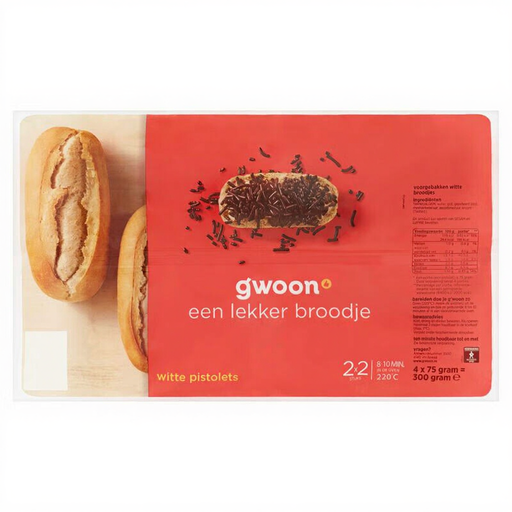
White rolls for guests who prefer white bread, served on their own or alongside another type. The pack contains 4 pieces and weighs 300 g.
If you have allergies, check the information on the current packaging for this product.
 No image available
A round loaf to serve as an alternative to white rolls. The listed weight is 550 g.
If bread made from 100% wholemeal flour is essential to you, check the exact product description and ingredients on the packaging. Follow the preparation instructions on the packaging.
No. According to the Netherlands Nutrition Centre, wholemeal bread is made from 100% wholemeal flour, while brown bread is made from a mixture of wholemeal flour and flour. So if that’s what you need, look for the ‘wholemeal’ label.
Compare the nutritional information per 100 g rather than looking only at the information per serving. The Netherlands Nutrition Centre recommends using this basis for comparisons. For similar breads, for example, check the fibre and salt, and read the ingredients list too.
Ask the seller before you buy, or check the product information available. According to the Netherlands Food and Consumer Product Safety Authority, sellers must provide information about the specified allergens in non-prepacked foods, including the specific cereals containing gluten or nuts if they are present.
If you won’t use the bread soon, it’s best to freeze it in portions shortly after buying it. For opened wholemeal bread, the Netherlands Nutrition Centre recommends keeping it for 2 to 4 days in a kitchen cupboard or 1 to 3 months in the freezer. Check the storage advice for other products.