
Vandaag of morgen in huis

Kwaliteit gegarandeerd

Welkomstaanbiedingen ontgrendelen: GRATIS bezorging | Tot 80% korting | Gratis 30 dagen JoyPlus-proefperiode
Download de app
An unexpected light on your dashboard. It's a familiar scenario that often leads to uncertainty and the fear of a hefty repair bill. But what if you could take control yourself? With a good car diagnostic tool, you can immediately see what's wrong, from a simple sensor fault to more complex issues. This not only saves you money on diagnostic fees but also allows you to have a more informed conversation with your mechanic.
This article is designed to help you choose the right car diagnostic tool. We'll cut through the marketing jargon and focus on what really matters: the specifications and features you need for your car and your project.
The market for OBD2 scanners can be overwhelming. To make the right choice, it's helpful to focus on a few key points.
Not all diagnostic tools are created equal. The simplest models are often limited to reading and clearing engine-related fault codes (the 'P' codes) via the OBD2 protocol. This is fine if you just want to know why the check engine light is on.
However, for a more complete picture, you need a device that can scan all systems. This includes the transmission, ABS, airbags (SRS), air conditioning, and more. These tools provide a much deeper insight into your vehicle's overall health.
Traditional scanners have a fixed cable that you plug into your car's OBD2 port. They are robust and don't require a smartphone.
An OBD2 Bluetooth adapter is a more modern and flexible solution. You plug a small dongle into the port and connect it wirelessly to an app on your smartphone or tablet (iOS or Android). This makes it easier to view, save, and even share data directly from your phone.
For the DIYer who performs their own maintenance, a service reset tool is indispensable. It allows you to reset service notifications yourself after performing maintenance. This includes:
Pay close attention to which reset functions a device supports and whether they are compatible with your car's make and model.
Based on functionality and ease of use, we've highlighted some compelling options for you.
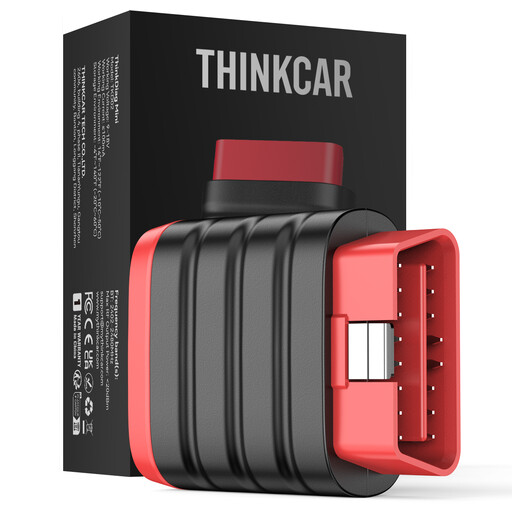
Why It Stands Out: The ThinkDiag Mini is a highly compact and accessible OBD2 Bluetooth adapter. Its unique advantage is the lifetime free update service for full system diagnostics. You pay once for the hardware and can then continue to use the diagnostic software via the ThinkDiag+ app at no extra cost.
Pros:
Who Is It For?: Ideal for the car owner looking for an affordable and straightforward tool to quickly perform a full system scan. Perfect for finding out why a warning light is on, without the need for advanced reset functions.
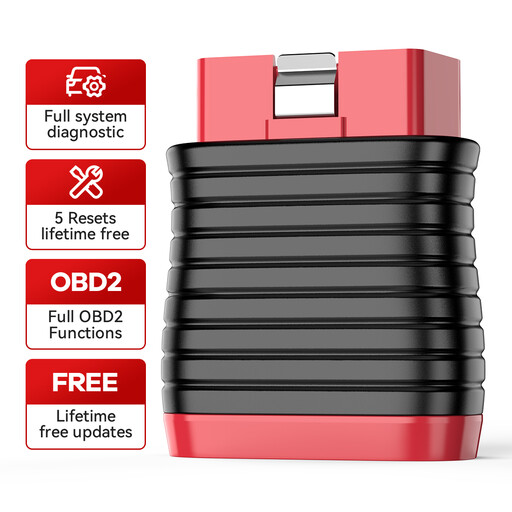
Why It Stands Out: The BD6 builds on the Mini's foundation but adds a crucial layer of functionality: five essential reset functions. This makes it a fully-fledged service reset tool for the most common maintenance tasks. Here too, you benefit from a lifetime free subscription.
Pros:
Who Is It For?: The active DIYer who changes their own oil, replaces brake pads, or performs other basic repairs. With the BD6, you can not only read fault codes but also reset the corresponding service notifications yourself.
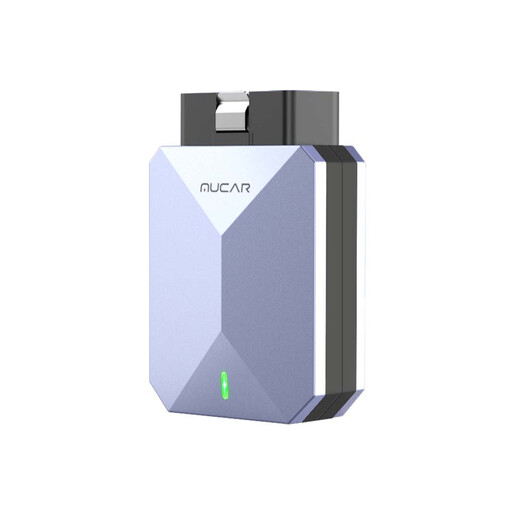
Why It Stands Out: The BT200 MAX is a powerful car diagnostic tool for the serious hobbyist or small workshop. What sets this device apart is its Bi-Directional Control, which allows you to actuate components (like fans or injectors) to test their operation. The built-in AI assistant helps interpret fault codes and provides repair suggestions.
Pros:
Who Is It For?: The advanced user, car enthusiast, or semi-professional who wants to perform in-depth diagnostics and actively test component functionality. This is more than just a code reader; it's an interactive diagnostic instrument.
If the perfect device for your situation isn't listed here, or if you want to compare more models, we've got you covered. Every car and every user has different needs. That's why we offer a wider range of diagnostic tools.
Explore our full range of OBD car code readers here and find the tool that perfectly matches your requirements.
OBD stands for On-Board Diagnostics. The OBD2 port is the standardized access point to your car's onboard computer. In most cars sold in the EU after 2001 (petrol) or 2004 (diesel), you'll find this port within reach of the driver's seat, usually under the dashboard or near the steering column.
A car diagnostic tool is a diagnostic aid. It tells you what the problem is by displaying fault codes, but it doesn't fix the problem itself. However, it enables you to perform (or have someone perform) a targeted repair, as you'll know exactly which component needs attention.
Most modern scanners are compatible with virtually all car brands that comply with the OBD2 standard. For advanced features like full system diagnostics or specific resets, it's important to check the manufacturer's compatibility list. The models mentioned above offer broad coverage for European, Asian, and American vehicles.
