
Vandaag of morgen in huis

Kwaliteit gegarandeerd

Welkomstaanbiedingen ontgrendelen: GRATIS bezorging | Tot 80% korting | Gratis 30 dagen JoyPlus-proefperiode
Download de app
As a new mother, you have a lot on your plate. Pumping and storing breast milk is a crucial part of that journey. Choosing the right breast milk storage bags might seem simple, but the market is flooded with options that don't always deliver on their promises. A leaking bag or unsafe materials are the last things you want to worry about. This guide will help you cut through the marketing noise and make a practical choice for you and your baby.
Before you make a choice, it's important to know what often goes wrong. Many mothers encounter the same problems, which are easily avoidable.
To bypass the pitfalls above, there are a few non-negotiable specifications to look for. These features determine the safety and ease of use.
The term you always want to see is BPA-free. BPA (Bisphenol A) is a chemical used in some plastics that you want to avoid in baby products. Only choose BPA-free breast milk bags made from food-safe material. This ensures no unwanted substances leach into the milk, even during freezing and thawing.
For safely freezing breast milk storage bags, a reliable seal is crucial. Milk expands as it freezes, putting extra pressure on the seams and the seal. Look for leak-proof breast milk storage bags with a double zipper seal. This dual closure provides an extra barrier against leaks and better protects the milk from air and bacteria, which preserves its quality.
The best designs are focused on practical use:
Not every storage bag is created equal. We've highlighted some popular choices and matched them to different needs based on their specifications.
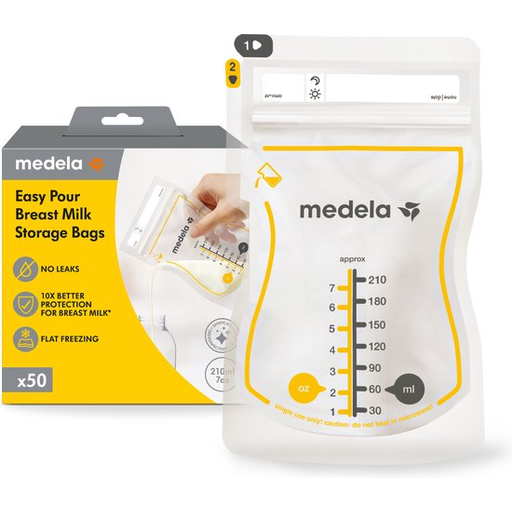
Why This Fits Their Persona: This user seeks the assurance of an established brand. Medela is a well-known name in the world of breastfeeding, offering a product that inspires confidence through its reputation and focus on quality.
It tackles the leakage pitfall with a double seal. According to Medela, the bags are 100% leak-proof. The material is explicitly BPA-free, eliminating concerns about unsafe materials.
The bags have a high oxygen barrier to preserve nutrients and can be frozen either lying flat or standing up.
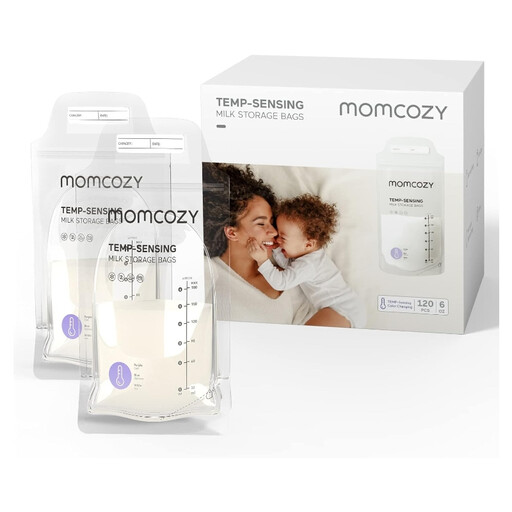
Why This Fits Their Persona: This mother pumps regularly and is building a substantial stash. She appreciates smart features that streamline the process. The large pack size is economical, and the temperature sensor offers added convenience.
It bypasses the impractical design pitfall with a self-standing base and a unique temperature sensor. The double-sealed sides and double zipper are designed to prevent leakage.
The temperature-sensitive indicator, which changes colour, provides a quick visual cue of the milk's temperature. The large 120-count pack offers great value for money.
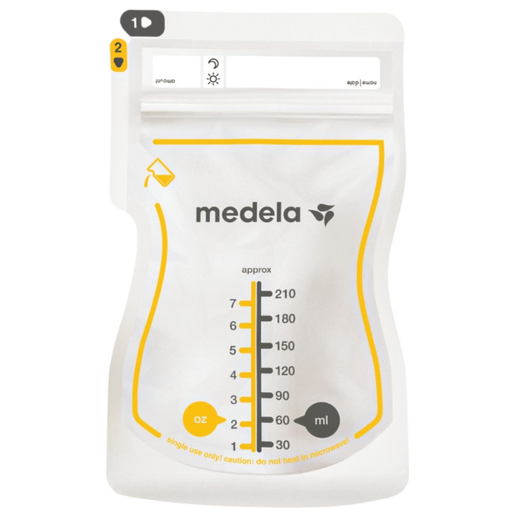
Why This Fits Their Persona: For anyone building a freezer stash, every inch of space is precious. This user needs a solution that can be frozen flat to maximise space without compromising on reliability.
The flat design is specifically intended to avoid the pitfall of impractical storage. The double seal ensures the bags won't leak even when lying flat in the freezer. The pour spout prevents spills.
Designed to be frozen flat, which saves a significant amount of space. The dedicated pour spout helps transfer milk hygienically and without mess.
We've compiled a complete, up-to-date list of products that fully meet these strict selection criteria and safety standards.
In a freezer with a constant temperature of 0°F (-18°C) or colder, breast milk can be safely stored for up to 6 months. Always label the bags with the date so you can use the oldest milk first.
It is strongly advised not to use standard freezer or sandwich bags. These are often not sterilised, not guaranteed to be BPA-free, and their seals are usually not strong enough to prevent leaks, especially after freezing and thawing. Always use bags specifically designed for breast milk storage.
The safest method is to leave the bag in the refrigerator overnight. If you need the milk sooner, hold the sealed bag under running lukewarm water (not hot) or place it in a bowl of lukewarm water. Never use a microwave to thaw or heat breast milk. This can create 'hot spots' that could burn your baby's mouth and also destroys important nutrients.
