What should you look for when choosing?
First decide whether the bread needs to be easy to share and served warm, or whether the grain content or a gluten-free label will determine your choice. Then check the format, packaging and, if necessary, preparation instructions for each product.
| What to consider |
What to check when buying |
Who is this most important for? |
| Warm and easy to share |
Check the number of pieces or the weight, whether the bread can be baked at home, and what preparation instructions apply. |
If I want to serve bread alongside the other dishes, it needs to be easy to share and, if necessary, prepare just before eating. Around 33% of consumers prioritise a side that’s easy to share. |
| Grains and fibre |
Compare the stated proportion of wholemeal flour and the fibre content per 100 g; ‘multigrain’ and ‘wholemeal’ don’t mean the same thing. |
If the ingredients matter more to me than a white bread format, I want to be able to compare the ingredients. Around 25% of consumers prioritise grains and fibre. |
| Gluten and allergens |
Read the current ingredients and allergen information, and look for an explicit gluten-free label if needed. |
If someone at the table needs to eat gluten-free, I can’t rely on the words ‘sourdough’ or ‘multigrain’. This separate bread choice is a priority for around 17% of consumers. |
| Practical planning |
Check availability at your chosen shop and whether the bread is ready to serve or needs to be baked at home. |
If I want to buy the bread on the day of the meal, the preparation method needs to fit my plans. Around 25% of consumers prioritise this practical consideration. |
Brands to compare
These supermarket ranges offer different types of bread to compare. Check the product information and availability for the bread you actually want to buy.
Albert Heijn
A range that includes sourdough baguettes, regular baguettes and ciabatta to compare.
- Albert Heijn lists, among other products, AH Liefde & Passie sourdough baguettes.
- Some of the products shown are only available in store.
Jumbo
A range with different baguettes and ciabatta, including products specifically labelled gluten-free.
- Jumbo lists, among other products, sourdough baguettes and Schär gluten-free ciabatta.
- Check whether your chosen product is available at your local shop.
Lidl
A way to compare bread baked in store with loaves you bake at home.
- Lidl describes bread baked in store and lists Tastino Ciabatta, 300 g, for home baking.
- Check the current product information or packaging for ingredients and allergens.
ALDI
A range for anyone considering ciabatta, baguettes or other bread to bake at home.
- De Afbakker lists, among other products, ciabatta, stone-baked baguettes and flatbread.
- According to ALDI, its in-store baked range is available at shops with a bakery section.
PLUS
A range for comparing white and multigrain sourdough baguettes by ingredients and preparation method.
- For the baguettes reviewed, PLUS lists ingredients, allergens and nutritional values.
- Check the current packaging, as product information can change.
Dirk
A range for comparing ciabatta with other types of bread to bake at home.
- Dirk lists, among other products, ciabatta, baguettes and Italian bread rolls.
- Check the information and availability for each individual product.
Bread options at Joybuy
These ciabatta and baguettes are suited to serving as a bread side. Compare the size and check whether the preparation method and allergen information for each product suit your meal.
 No image available
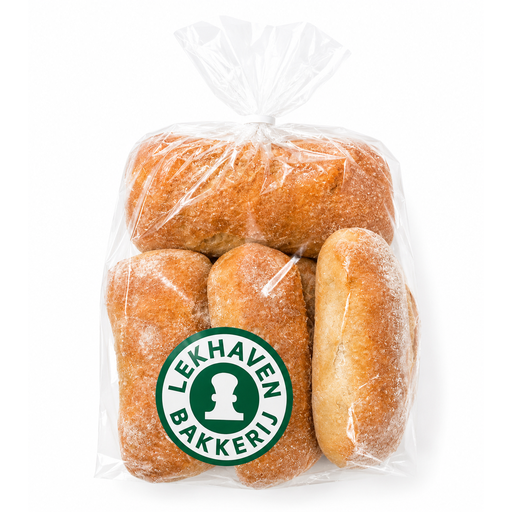
Lekhaven Bakkerij Natural Rustic Ciabatta, 4 × 135 g
Four individual ciabatta rolls are a good option if you want to serve the bread in portions alongside your meal.
Check the current packaging for preparation instructions and allergen information, especially if you want to serve the bread warm.
View at Joybuy
 No image available
Lekhaven Bakkerij Multigrain Rustic Baguette, 4 × 135 g
This pack of four baguettes is ideal for a meal where you want to serve several portions of bread.
Compare the grain content on the packaging if it matters to your choice. If you need gluten-free bread, don’t rely on the name ‘Multigrain’.
View at Joybuy
 No image available
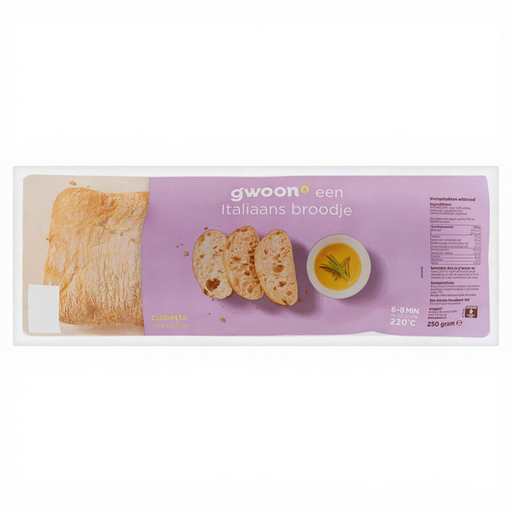
g'woon Ciabatta Bread, 250 g
This 250 g ciabatta is a good size to share as a side.
If you want to serve warm bread, check the preparation instructions before buying. If you have allergies, read the current packaging.
View at Joybuy
 No image available
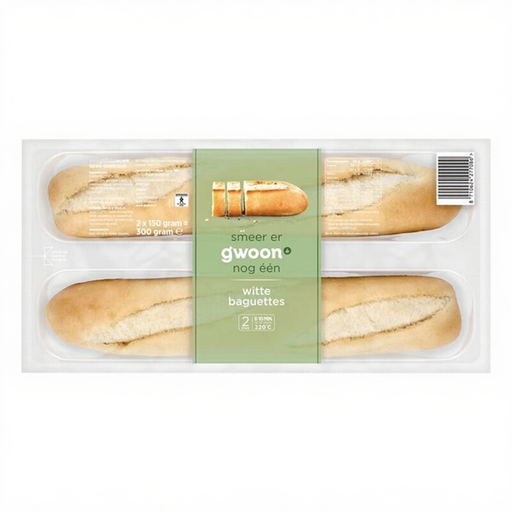
g'woon Popular Multigrain Baguettes, 2 stuks, 300 g
Two baguettes are a good option if you want to serve the bread in separate portions with your meal.
If grains or fibre are the deciding factors, compare the listed ingredients and nutritional information per 100 g. Check separately how to serve the bread.
View at Joybuy
 No image available
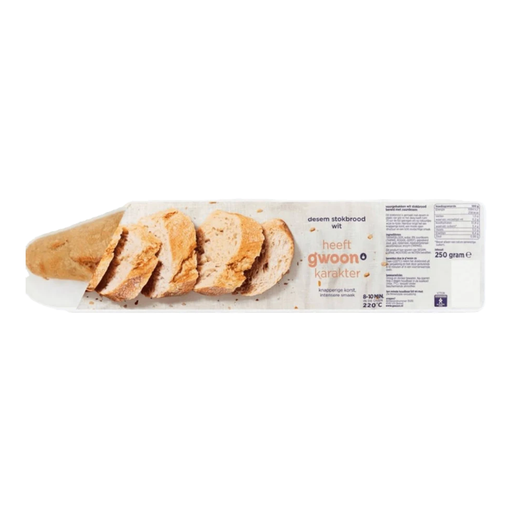
G'woon White Rustic Baguette, 250 g
This 250 g white baguette is a good choice if you want bread to slice and serve as a side.
If baking at home or serving it warm is part of your plan, check the packaging. Read the allergen information for anyone at the table with dietary restrictions.
View at Joybuy
Frequently asked questions
Is sourdough baguette automatically gluten-free?
No. The white and multigrain sourdough baguettes from PLUS that were reviewed contain gluten-containing grains. If you need gluten-free bread, choose a product with an explicit gluten-free label and check the current packaging.
Is multigrain bread the same as wholemeal bread?
No. According to the Voedingscentrum, multigrain bread is made with at least three types of grain; the name doesn’t tell you how much wholemeal flour it contains. Check the ingredients and, if you wish, compare the fibre content per 100 g.
Does bread for an Asian night need to be baked at home?
Only if you choose a product that needs to be baked at home. Follow the instructions on the product’s own packaging: the preparation method for one baguette or ciabatta won’t necessarily suit another product.
Does all bread contain iodised baker’s salt?
No, you can’t assume that all bread does. The Voedingscentrum describes bread made with iodised baker’s salt as a source of iodine, but also says that organic bread usually doesn’t contain baker’s salt. Check the ingredients list for the bread you choose.
What should I check when ordering bread online?
Check the type of bread, its weight, the preparation method and availability at your chosen shop. Also read the packaging for ingredients and allergens when it arrives: PLUS, for example, notes that product information can change.


