
Vandaag of morgen in huis

Kwaliteit gegarandeerd

Welkomstaanbiedingen ontgrendelen: GRATIS bezorging | Tot 80% korting | Gratis 30 dagen JoyPlus-proefperiode
Download de app
A quality cube or a spoonful of powder can elevate a dish from bland to flavourful. Bouillon is the unsung hero in many kitchens, an indispensable base for soups, sauces, or stews. But the selection is vast, and not all choices are created equal. Many products look similar, but the differences in salt content, flavour enhancers, and actual ingredients are significant.
Before you toss a random box into your cart, it's wise to know the common pitfalls. This will prevent your dish from becoming too salty or stop you from paying for fillers instead of flavour.
The 2 most common pitfalls when buying bouillon:
You don't need to be a label expert to make a good choice. By focusing on a few key points, you can quickly filter the options and find the bouillon that suits your cooking style.
The form of the bouillon determines how you use and dose it.
The ingredient list tells the real story. The order is important: whatever is listed first is the most prominent ingredient.
To help you get started, we've highlighted some popular choices and matched them with different cooking styles.
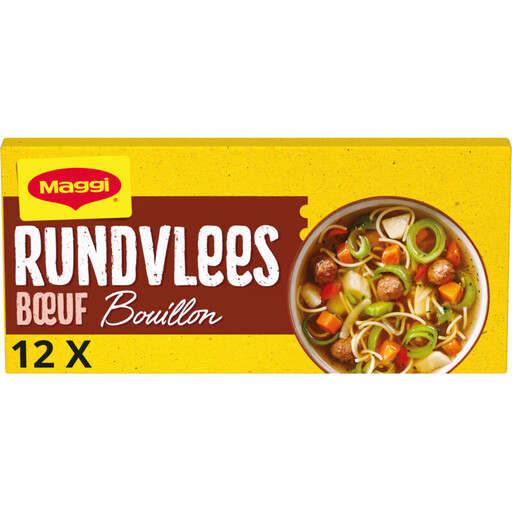
Why This Fits Their Persona: Ideal for those who cook frequently and need a reliable, cost-effective flavour base. This value pack is perfect for the weekly soup, pasta, or stew.
The clear dosage of one cube per litre of water helps to keep salt intake under control and prevents your dish from accidentally becoming too salty.
Value pack with 12 cubes, good for 12 litres of bouillon. An economical and versatile choice for everyday use.
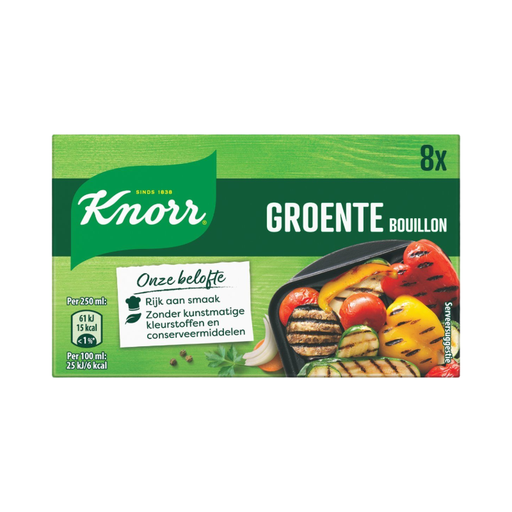
Why This Fits Their Persona: Perfect for anyone seeking a fully plant-based foundation for soups and sauces. This vegetable bouillon is a reliable choice for vegans and vegetarians.
The V-Label (certified vegan) guarantees there are no hidden animal ingredients, a common concern with generic 'vegetable' bouillons.
Certified vegan by the European Vegetarian Union. According to Knorr, it's made with sustainably grown vegetables.
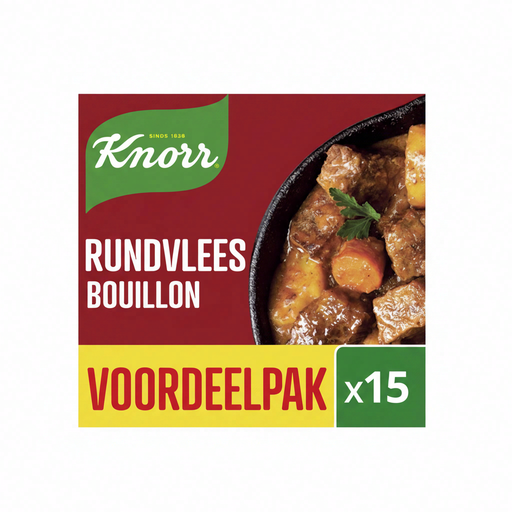
Why This Fits Their Persona: For the home cook seeking a deep, rich flavour as a base for soup or sauce. The gel structure is a convenient alternative to homemade stock.
The gel dissolves completely and quickly, so you won't have issues with clumps that can sometimes be left behind by traditional cubes. This ensures an even flavour distribution.
Delivers a rich, authentic beef flavour, according to the manufacturer. Its concentrated form makes it a powerful base for a variety of dishes.
We have compiled a complete, up-to-date list of products that meet these selection criteria and local preferences.
In practice, the terms are often used interchangeably, but there is a subtle difference. Bouillon is generally a lighter, clear liquid, made from meat, fish, or vegetables, and is often used as a base for soup. Stock is more reduced, making it more concentrated and richer in flavour. Stock is more frequently used as a base for sauces and ragouts.
This varies greatly by brand and type. A dissolved bouillon cube often provides between 0.8 and 1.3 grams of salt per 100 ml of prepared bouillon. Since the recommended daily salt intake for adults is 6 grams, this adds up quickly. It is always wise to check the nutritional information on the packaging, especially if you are monitoring your salt intake.
