
Vandaag of morgen in huis

Kwaliteit gegarandeerd

Welkomstaanbiedingen ontgrendelen: GRATIS bezorging | Tot 80% korting | Gratis 30 dagen JoyPlus-proefperiode
Download de app
A blender seems like a simple purchase—until you start looking online. You're faced with hundreds of models, flashy marketing, and specifications that raise more questions than they answer. The result? Many people buy an appliance that ends up gathering dust in a cupboard after just a few months. As a Product Recommendation Officer at Joybuy, I see where things go wrong every day. Let's skip the marketing jargon and focus on how to avoid buyer's remorse.
Before you spend any money, watch out for these common pitfalls:
To find a blender you'll actually use, it's crucial to translate the specifications into your everyday kitchen needs. Focus on these three points.
The power, expressed in Watts (W), determines what a blender can handle. But don't be blinded by the highest numbers.
The jug is where the magic happens. Its material directly impacts durability and hygiene.
Not every appliance that mixes is the same. What do you really need?
Based on these practical criteria, we've selected a few models that suit different users.
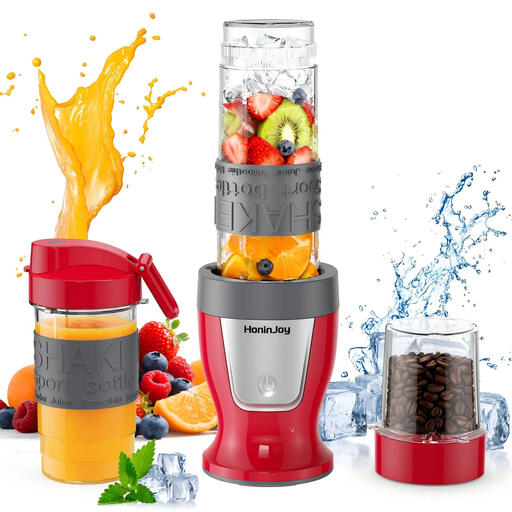
Why This Fits Their Persona: Ideal for those who want to quickly grab a fresh smoothie in the morning. No fussing with large jugs; you blend directly in one of the two included BPA-free to-go cups. Perfect for a single-person household or for taking to work or the gym.
At 650W, it has enough power for most smoothies without making you pay for unnecessary force. The BPA-free cups are more durable and safer than cheap plastic. Cleaning is simple: the cups are dishwasher-safe.
Includes two leak-proof sports cups (570ml + 400ml) and a separate grinding cup for coffee beans or spices. Compact and space-saving.
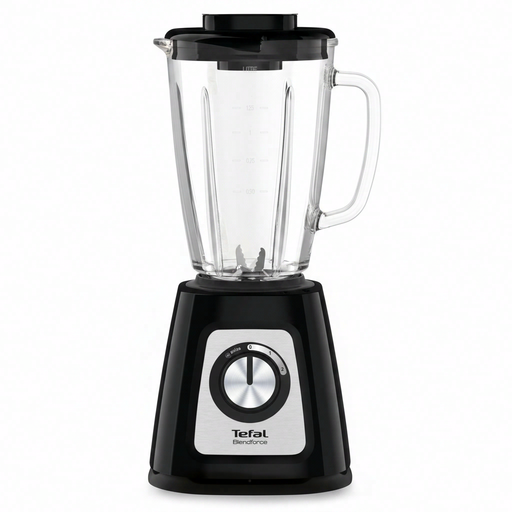
Why This Fits Their Persona: A reliable all-rounder for families. The 1.25-litre glass jug is large enough for multiple servings, and the 800W motor can handle smoothies, soups, and even crushed ice for mocktails.
The heat-resistant glass jug prevents scratches, discolouration, and lingering odours. The parts are dishwasher-safe, which avoids the cleaning nightmare. The power is perfectly balanced for versatile use.
Features a special ice crush function and a pulse setting for extra control. The safety lock ensures the appliance won't start unless the jug is properly secured.

Why This Fits Their Persona: This is more than a blender; it's a complete kitchen machine. Ideal for the home chef who wants to knead dough, slice vegetables, or grind meat in addition to making smoothies. It replaces multiple separate appliances on the countertop.
Instead of buying an overpowered blender, you invest in a single, multi-functional appliance. The 900W motor is designed for heavy tasks like kneading dough, making the power functional here. The stainless steel bowl is indestructible.
Comes with a patisserie set, meat mincer, citrus press, and slicing/grating discs. The large 3.9-litre stainless steel mixing bowl is suitable for large quantities.
We have compiled a complete, up-to-date list of products that fully meet these strict selection criteria and UK safety regulations.
It depends entirely on your usage. For daily smoothies with soft fruit and liquids, 300-600 watts is sufficient. If you also want to blend frozen fruit, ice cubes, or hard vegetables like carrots, look for a model with 600 to 1000 watts. Higher wattage is mainly useful for intensive tasks like making nut butter or grinding flour.
Not every blender can do this. To crush ice, you need a powerful blender (ideally 700W or more) and sturdy blades. Cheaper models with weak motors or plastic jugs can be damaged by this. Some blenders have a special 'ice crush' function that runs the motor in pulses for a better result. Always check the manufacturer's specifications.
A blender is designed to purée ingredients, usually with the addition of liquid, into a smooth consistency. Think smoothies, soups, and sauces. A food processor is more versatile and is intended for drier tasks. With different blades and discs, a food processor can chop, slice, grate, and sometimes even knead dough. While some tasks overlap, a blender is superior for making liquid creations, and a food processor excels at ingredient preparation.
