
Vandaag of morgen in huis

Kwaliteit gegarandeerd

Welkomstaanbiedingen ontgrendelen: GRATIS bezorging | Tot 80% korting | Gratis 30 dagen JoyPlus-proefperiode
Download de app
A blender seems like a simple purchase, until you get lost in a world of wattages, blade designs, and marketing promises. Many appliances end up collecting dust in the back of a cupboard after just a few uses. This is often due to a few common pitfalls that consumers fall into. We've outlined the most important ones, so your next blender becomes a kitchen asset instead of a dust collector.
Before you make a choice, it's wise to know where things often go wrong. Manufacturers entice you with specifications that sound impressive but add little practical value.
To avoid a bad purchase, focus on the specifications that matter in practice. These are the three most important factors to check.
The first choice is the type. Each model serves a specific purpose:
As mentioned, don't get fixated on the wattage. Look at the combination. A power rating between 300W and 600W is generally sufficient for smoothies with soft fruit and liquids. For crushing ice, grinding nuts, or blending fibrous vegetables, a powerful blender with 600W to 1200W and a robust blade system is a better choice. Brands like Nutribullet and Philips often specify technologies (like ProBlend) designed for efficient ingredient circulation.
The jar is where the magic happens. Pay attention to two things:
Based on these practical criteria, we have selected a few models that suit different user profiles.
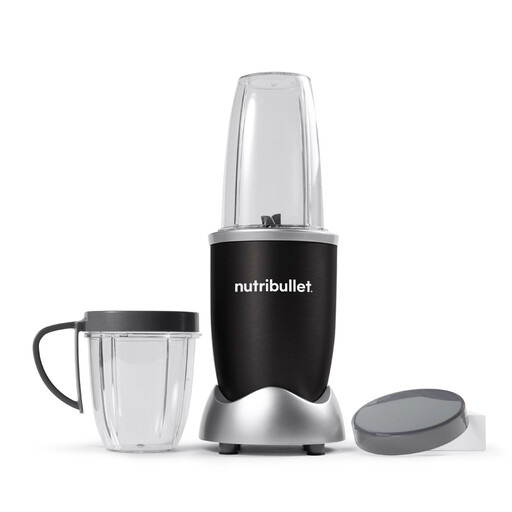
Why This Fits Their Persona: This is a popular choice for anyone who wants to make a nutritious smoothie quickly and without hassle. The operation is intuitive: fill, twist, and blend.
This Nutribullet blender bypasses the wattage myth. Its 600W motor is perfectly tuned to the blade and cup design, efficiently extracting nutrients without excessive power.
Compact design with a small footprint. The cup and blade assembly are easy to rinse, which prevents the cleaning nightmare.

Why This Fits Their Persona: For those always on the move. This cordless on-the-go blender charges via USB-C and goes wherever you do. Make a fresh smoothie at the office, on the train, or after a workout.
This model avoids the "one-size-fits-all" pitfall. It is specifically designed as a personal blender and doesn't pretend to be an all-rounder. Perfect for its intended purpose: quick, fresh drinks on the go.
Cordless and rechargeable via USB-C. The secure, leak-proof lid ensures you can carry the cup in your bag without any spills.

Why This Fits Their Persona: This immersion blender set is a kitchen workhorse. Purée soup directly in the pot, chop vegetables in the chopper attachment, or whip cream with the whisk. Ideal for those who want to do more than just make smoothies.
This is the opposite of an impractical appliance. Its versatility ensures you'll use it for countless tasks. The detachable parts are dishwasher-safe, which tackles the cleaning pitfall.
4-in-1 functionality (immersion blender, chopper, whisk, beaker) saves space and money. The variable speed control gives you complete control over the texture.
We've curated a complete, up-to-date list of products that fully meet these strict selection criteria and safety standards.
Yes, but not every blender is up to the task. Look for a model specifically marketed as a blender for ice, with a power rating of at least 500-600W and a pulse function. The pulse function helps break the ice cubes in short, powerful bursts without overheating the motor. A sturdy jar made of glass or thick Tritan plastic is also recommended for this.
The terms are often used interchangeably, but there is a subtle difference. A smoothie maker is typically a compact, personal blender optimized for making drinks in a to-go cup. A traditional (countertop) blender is often larger and more versatile, suitable for a wider range of tasks like preparing hot soups, sauces, batters, and processing larger quantities.
The golden rule is to rinse it immediately after use. This prevents residue from drying and caking on. For a quick, deep clean, fill the jar halfway with warm water and a drop of dish soap. Turn the blender on for a few seconds, rinse, and you're done. Always check if the jar and blade assembly are dishwasher-safe; this makes maintenance significantly easier.
