
Vandaag of morgen in huis

Kwaliteit gegarandeerd

Welkomstaanbiedingen ontgrendelen: GRATIS bezorging | Tot 80% korting | Gratis 30 dagen JoyPlus-proefperiode
Download de app
A blender seems like a simple purchase, until the appliance gives up the ghost after a few months, is a nightmare to clean, or simply isn't powerful enough for your favourite smoothie. Many marketing promises lead to disappointment and an unused appliance in the kitchen cupboard. Before you make a choice, it's helpful to know where the pitfalls lie.
As a Joybuy Product Recommendation Officer, I'll help you see through the noise of specifications and marketing. We'll focus on what really matters, so you can find a blender that suits your needs without paying for features you'll never use.
The 3 most common pitfalls when buying a blender:
To avoid a bad purchase, it's important to look beyond the packaging. Pay attention to the following specifications that determine whether a blender will do its job well and continue to do so.
A powerful blender is an interplay of three factors:
The material of the jar or blending cup affects durability, weight, and maintenance.
Also, consider the capacity. A 1.5-litre jar is suitable for families, while a smoothie maker with a 500-700 ml cup is ideal for single servings.
Not everyone needs the same type of blender. Below are some popular choices, matched to a specific user profile.
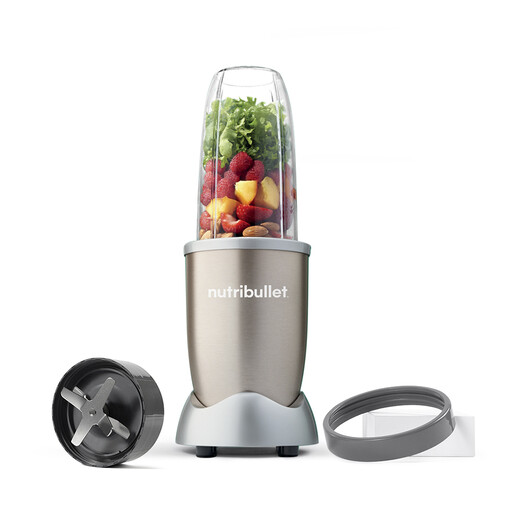
Why This Fits Their Persona: Ideal for those who want to quickly make a healthy smoothie on the go or after a workout. This model is a classic 'blender to go' that focuses on one task: blending single-servings quickly and efficiently.
This model avoids the 'all-in-one' pitfall by not offering superfluous accessories. The separate blade assembly and dishwasher-safe cup make cleaning extremely simple.
The 900W motor combined with the extractor blade is powerful enough for frozen fruit and nuts. Operation is simple: just push and twist.
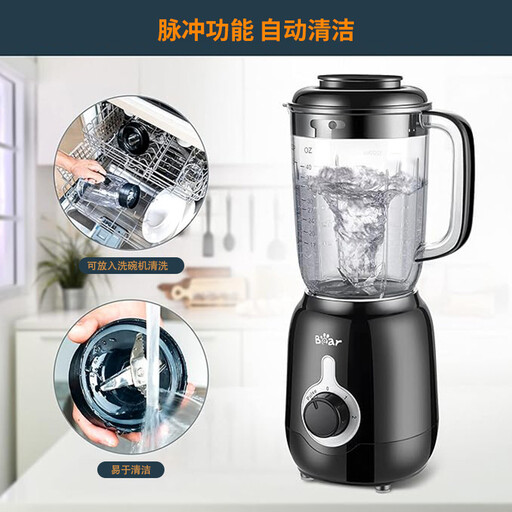
Why This Fits Their Persona: Perfect for families who want to make larger batches of soup, sauce, or smoothies. The 1.2-litre jar offers sufficient capacity, and its operation is simple enough for daily use.
This blender focuses on basic functions, avoiding the pitfall of unnecessary, expensive extras. The pulse function provides control over the texture without complicated programs.
The 1.2-litre jar is ideal for multiple servings. According to the manufacturer, the device has a self-cleaning function with some water and soap, which prevents the cleaning drama.

Why This Fits Their Persona: For the cook who wants more than just smoothies. This immersion blender set is suitable for puréeing soups directly in the pot, chopping herbs, and whipping cream.
This is an 'all-in-one' that is actually useful. The included chopper and whisk are functional and replace separate appliances. The dishwasher-safe parts make cleaning easy.
The maximum power of 1200W and the variable speed control provide complete control. The stainless steel wand is durable and suitable for use in hot pans (after cooling).
We have compiled a complete, up-to-date list of products that fully meet these strict selection criteria and Dutch safety regulations.
This depends entirely on your usage. For mixing soft fruits and liquids, a blender with 300 to 600 watts is often sufficient. If you regularly want to blend hard ingredients like ice cubes, nuts, seeds, or frozen fruit, a model with a power of 700 watts or more is recommended. Don't forget that a good blade design is just as important as the wattage.
Most standard immersion blenders are not designed for this. The blades and motor of a hand blender are typically intended for puréeing softer, often already cooked, ingredients. For crushing ice, a powerful blender with a sturdy jar and specially designed blades is the safer and more effective choice. Some very powerful immersion blender sets can handle it, but always check the manufacturer's specifications to prevent damage to the appliance.
For most jar blenders, the quickest method is the "self-cleaning" trick. Immediately after use, fill the jar halfway with warm water and a drop of dish soap. Place the blender on the base, close the lid, and let it run for 30 seconds. Pour out the soapy water and rinse the jar well. For stubborn residues or with an immersion blender, it's important to check which parts are dishwasher-safe. The motor unit should never be submerged in water.
