
Vandaag of morgen in huis

Kwaliteit gegarandeerd

Welkomstaanbiedingen ontgrendelen: GRATIS bezorging | Tot 80% korting | Gratis 30 dagen JoyPlus-proefperiode
Download de app
Buying a blender seems simple—until your model starts acting up after three months, the jug permanently smells of onion soup, or the machine makes more noise than a jet taking off. Many buying guides focus on marketing claims but ignore the design flaws that cause real-world frustration. Let's sidestep the most common pitfalls so you can choose an appliance that gets the job done, without the unnecessary extras you pay for.
The two biggest mistakes when purchasing a blender are:
To avoid buyer's remorse, it's wise to look beyond the packaging. Focus on the specifications that determine how the blender performs and how long it will last.
A powerful blender needs a decent amount of power, but its effectiveness depends on the synergy between the motor, blades, and jug.
Pay attention to the blade design and the shape of the jug. Some brands use technologies that actively pull ingredients towards the blades, resulting in a smoother blend, even with a less powerful motor.
The jug is where the magic happens. Its material determines not only the weight and durability but also what you can use the blender for.
The choice depends on what you want to prepare and how much space you have.
Below are a few models that suit different user profiles, based on their specifications and design.
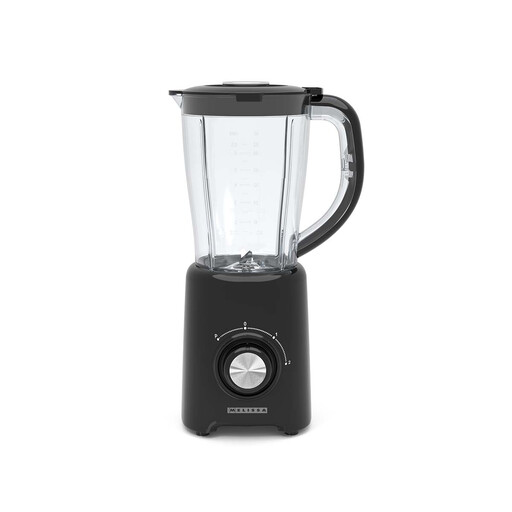
Why This Fits Their Persona: Ideal for those who want to make daily smoothies or sauces without a large budget. This model focuses on the core functions and performs them well.
This is a no-frills countertop blender without an abundance of accessories you won't use. You pay for the functionality you need.
The 800W motor is powerful enough for most daily tasks. The 1.5L plastic jug is lightweight, and the dishwasher-safe parts make cleanup easy.
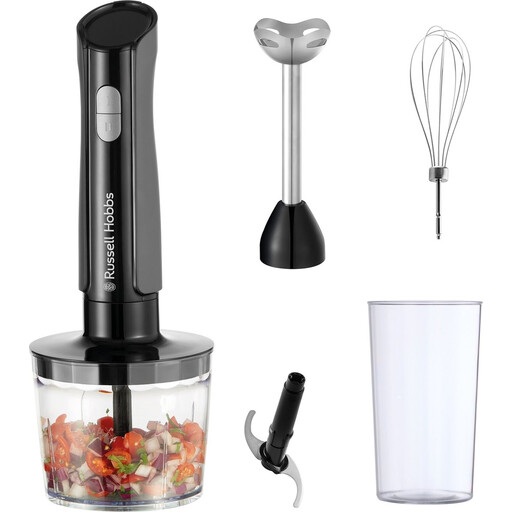
Why This Fits Their Persona: For those who want to do more than just blend. This immersion blender set is a compact kitchen assistant for puréeing, chopping, and whisking, without taking up much space.
This 3-in-1 set provides functional accessories (chopper, whisk) that are actually used in the kitchen, unlike sets with superfluous attachments.
The 500W motor is more than sufficient for an immersion blender. The included 500 ml chopper bowl and 600 ml beaker make it a complete and practical set. The parts are dishwasher-safe.
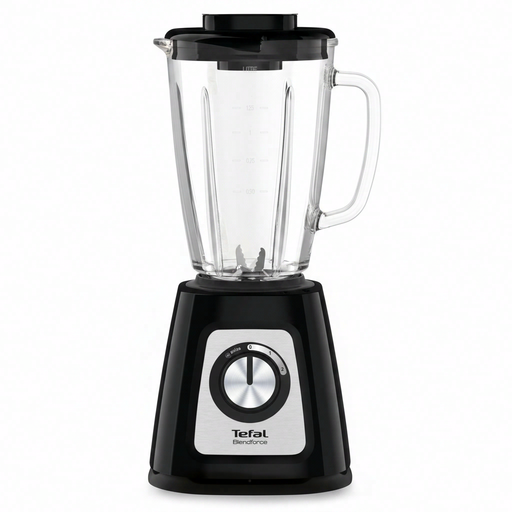
Why This Fits Their Persona: For those seeking a durable and powerful blender that can handle tougher jobs, like crushing ice and puréeing hot soups, without compromise.
The heat-resistant glass jug prevents the issues of scratching, discolouration, and odours that can occur with plastic jugs. Its power is functional, thanks to the dedicated ice-crush mode.
The combination of an 800W motor, a robust glass jug, and a specific ice crusher function makes this a reliable choice for more intensive use.
We have compiled a complete, up-to-date list of products that fully meet these strict selection criteria and UK safety regulations.
This depends entirely on your use case. For puréeing soft ingredients and liquids with an immersion blender, 300-600 watts is sufficient. For a countertop blender that you'll use for daily smoothies, 600-1000 watts is a good guideline. If you want to grind hard ingredients like frozen fruit, nuts, or ice cubes, look for a powerful blender of 1000 watts or more, preferably with a special pulse or ice-crush function.
No, this is not recommended. Hot liquids can build up pressure in a sealed blender jug, which can be dangerous. A glass jug is generally more resistant to temperature changes. If you have a plastic jug, let the soup cool to a lukewarm temperature first. The most practical option is often an immersion blender, which allows you to purée the soup directly in the pot.
A smoothie maker is essentially a type of blender, often more compact and designed with a drinking cup as the jug, so you can take your smoothie on the go. A traditional countertop blender usually has a larger jug and is more versatile for other tasks, such as making soups, sauces, or batter. However, many modern countertop blenders can also function perfectly well as smoothie makers.
