
Vandaag of morgen in huis

Kwaliteit gegarandeerd

Welkomstaanbiedingen ontgrendelen: GRATIS bezorging | Tot 80% korting | Gratis 30 dagen JoyPlus-proefperiode
Download de app
A blender seems like a simple purchase, until you get one that ends up collecting dust in a cupboard after three months. It's either too bulky for your daily smoothie or a nightmare to clean. A lot of marketing focuses on specs that sound impressive but add little practical value. As a Joybuy Product Recommendation Officer, I'm here to help you cut through the noise so you can choose a blender you'll actually use.
Before you make a choice, it's helpful to recognise the most common pitfalls:
Focus on the features that truly matter for your needs. These are the three most important points to check before buying a blender.
The type of blender determines its functionality. There is no "best" type, only the right type for your lifestyle.
The jar is where the action happens. The material affects durability, weight, and potential uses.
Look beyond just the wattage. A power rating between 300 and 600 watts is typically sufficient for smoothies with soft fruit and liquids. If you plan to regularly blend hard ingredients like frozen fruit, nuts, or ice cubes, look for models from 700 watts upwards. Combine this with information about the design. Brands like Philips blender often mention specific technologies (like ProBlend) that improve the circulation of ingredients for a smoother result, regardless of the raw wattage.
Below are some popular choices, matched with specific user profiles. This will help you find a model that fits your daily routine.
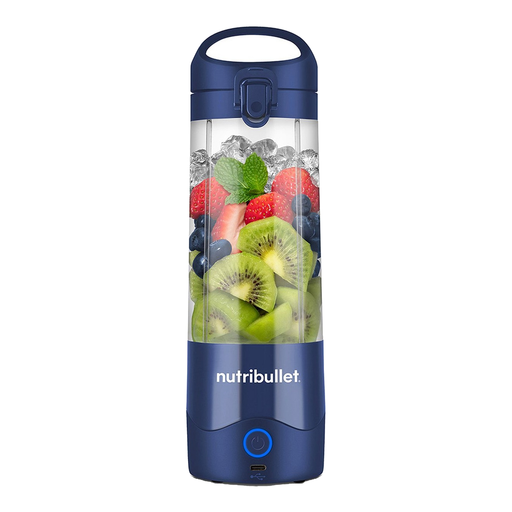
Why This Fits Their Persona: Perfect for those short on time in the morning. This portable blender is rechargeable via USB-C, compact, and designed for drinking directly from the jar. Ideal for a quick, healthy smoothie on the way to work or after the gym.
This model sidesteps the "one-size-fits-all" trap. It's specifically designed for one task: making fast, personal smoothies. No unnecessary features or a bulky design.
Cordless and rechargeable: Complete freedom from power outlets. Leak-proof lid: Can be safely carried in your bag. Easy to clean by simply rinsing.
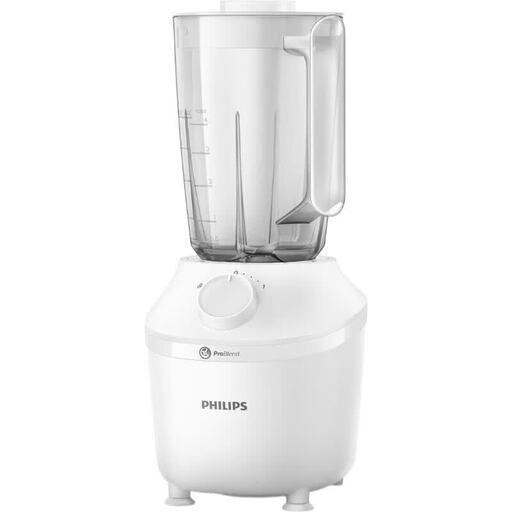
Why This Fits Their Persona: A reliable all-rounder for daily use. With a 1.9-litre jar (1-litre effective capacity), you can make enough for several people. Suitable for smoothies, sauces, and thanks to the pulse setting, also for crushing ice.
This model debunks the wattage myth. At 450W, it's not the most powerful on paper, but according to the manufacturer, Philips' ProBlend technology ensures efficient circulation and a smooth result.
Large capacity: Ideal for families. Dishwasher-safe parts: Makes cleanup easy. Overheat protection: A built-in sensor protects the motor.

Why This Fits Their Persona: For those who want to do more than just blend. This 4-in-1 immersion blender set includes a blending wand, chopper, whisk, and beaker. It lets you purée soups, chop onions, whip cream, and mix sauces with a single appliance.
This is an example where a multifunctional device is actually the smart choice. It replaces several separate appliances, saves space, and is cost-effective for the home cook who likes variety.
4-in-1 functionality: Blend, chop, mix, and whisk. Variable speed control: Precise control over the texture. Stainless steel components: Durable and food-safe.
We have compiled a complete, up-to-date list of products that meet these selection criteria and comply with UK safety regulations.
How many watts does a good blender need? This depends on your usage. For soft fruits and liquids, 300-500 watts is often enough. For regularly crushing ice, frozen fruit, or grinding nuts, a model with 700 watts or more is recommended. However, don't fixate on wattage alone; a good blade and jar design is just as crucial for a smooth result.
Can I put hot soup in any blender? No, this is not recommended. Always check the manufacturer's manual. A glass jar blender is generally the safest option for hot liquids. Plastic jars can warp or be damaged by the heat. Always let hot liquids cool for a few minutes before blending to prevent pressure from building up in the jar due to steam.
What's the easiest way to clean my blender? The golden rule is: right after use. Fill the jar halfway with warm water and a drop of washing-up liquid. Briefly turn on the blender (for about 30 seconds) and then rinse it out. For a thorough cleaning, check if the jar, lid, and blade assembly are dishwasher-safe. This will save you a lot of effort in the long run.
