
Vandaag of morgen in huis

Kwaliteit gegarandeerd

Welkomstaanbiedingen ontgrendelen: GRATIS bezorging | Tot 80% korting | Gratis 30 dagen JoyPlus-proefperiode
Download de app
A blender seems like a simple purchase, until you get lost in a world of wattages, features, and models. From a quick morning smoothie to preparing baby food or crushing ice for a cocktail, the promises are grand. But how do you choose an appliance you'll actually use, instead of one that ends up collecting dust in the back of a cabinet? As a Joybuy Product Recommendation Officer, I'll help you see through the marketing hype and make a choice based on facts.
Before you pull out your wallet, let's first look at the most common pitfalls. Many people make a choice based on misleading specifications and end up with a device that doesn't fit their lifestyle.
To avoid a bad purchase, focus on the specifications that truly matter. These are the objective criteria that determine if a blender is right for you.
Power, expressed in Watts (W), indicates the motor's strength. But always link this to your intended use.
The terms are often used interchangeably, but the appliances serve different purposes.
The jar and blades are in constant contact with your food. Therefore, pay attention to the material and how easy it is to maintain.
Below is a selection of popular models, linked to specific user profiles. This is not a ranking, but a guide to find the right match based on objective features.
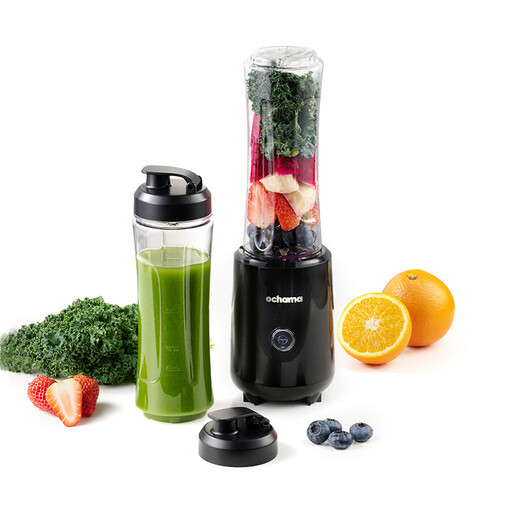
Why This Fits Their Persona: Perfect for the busy professional, student, or athlete. This on-the-go blender is designed for one thing: quickly making a fresh smoothie or shake that you can take with you immediately. No fuss with large jars or complex settings.
This model avoids the "all-in-one" myth. It is a specialised portable blender and doesn't pretend to be a food processor. The detachable parts directly address the cleaning problem.
The 300W motor is powerful enough for a personal portion with frozen fruit and ice. The cup also serves as the drinking cup, and all parts are made of food-safe materials and are easy to clean.
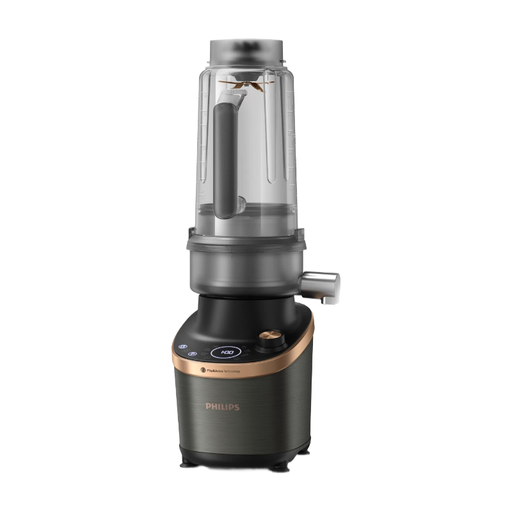
Why This Fits Their Persona: For those who want the best of both worlds: the fibre of a smoothie and the clear juice from a juicer. This user invests in innovation and wants a powerful appliance for perfectly smooth results.
This model tackles the "all-in-one" pitfall with a clever design. Instead of a compromise, it offers a specific module for blending and another for juicing. This ensures the powerful motor is used effectively for both tasks.
The 1500W ProBlend Ultra motor and the unique Flip&Juice system. Users can choose between clear juice, juice with pulp, or a smoothie, all with one jar. Pre-set programs make operation simple.

Why This Fits Their Persona: For the home cook or family that wants more than just blending. This is a full-fledged kitchen machine that also functions as a meat grinder, blender, citrus press, and vegetable slicer. A workhorse for diverse meals.
Instead of one blade for everything, this model uses specific attachments for each task. This ensures that every function—from kneading to blending—is performed effectively, avoiding the pitfall of the underperforming jack-of-all-trades.
According to the manufacturer, this model has a powerful 900W motor and a large 3.9-litre stainless steel mixing bowl, suitable for large quantities of dough. The versatility of the included accessories (pastry set, graters) is a major plus.
We have compiled a complete, up-to-date list of products that meet these strict selection criteria and Dutch safety regulations.
This depends entirely on your use case. For a simple smoothie maker or a portable blender for soft fruit, 300-500 watts is often enough. For regular use, including frozen fruit or a green smoothie, 600-900 watts is a good guideline. If you really want to handle everything, from crushing ice to making nut butter, look for a high-speed blender with 1000 watts or more.
A blender purées all ingredients, including the fibres. The result is a thick, nutritious drink like a smoothie. A juicer separates the juice from the pulp (the fibres). This yields a clear, liquid juice. Which is better depends on your personal preference for texture and whether you want to retain the dietary fibres.
The golden rule: rinse the jar immediately after use. Caked-on residue is much harder to remove. For a quick, thorough cleaning, fill the jar halfway with warm water and a drop of dish soap. Run the blender for 30 seconds on the highest setting, then rinse it well. Always check the manual to see if the jar and blades are dishwasher-safe. The motor base should never be submerged in water.
