
Vandaag of morgen in huis

Kwaliteit gegarandeerd

Welkomstaanbiedingen ontgrendelen: GRATIS bezorging | Tot 80% korting | Gratis 30 dagen JoyPlus-proefperiode
Download de app
Whether you cycle to work daily, explore the woods on weekends, or train for a road race, a good bike helmet is essential. However, the market is vast, with specific models for every discipline. How do you choose a helmet that is not only safe but also fits comfortably and suits your cycling style? In this guide, we'll help you get started with practical advice and concrete recommendations, so you can make an informed decision.
Before choosing a helmet, it's important to consider a few basic principles. The right model depends on how you ride, the fit, and the features that are important to you.
Not all helmets are created equal. The shape and features are often tailored to a specific cycling discipline.
MTB helmet offers more coverage, especially at the back and sides of the head, for extra protection on rough terrain. They often have a visor to protect your eyes from the sun, rain, and branches.e-bike riders.A helmet can only provide proper protection if it fits perfectly. A helmet that is too loose can shift during a fall, while one that is too tight will cause headaches. Measure the circumference of your head with a measuring tape, about 2 centimetres above your eyebrows. The measured circumference in centimetres corresponds to the helmet size. Most helmets are adjustable for fine-tuning. Although you often hear about a men's bike helmet or a women's bike helmet, the fit is universal. The differences are usually in colour and sizing options.
In addition to type and fit, pay attention to other characteristics. The number and size of the ventilation openings determine how cool your head stays. Weight plays a role on longer rides. Extras like a built-in visor, insect mesh, or reflective elements can further enhance comfort and safety.
Based on product specifications and functionality, we have made a selection of popular choices for different types of cyclists.
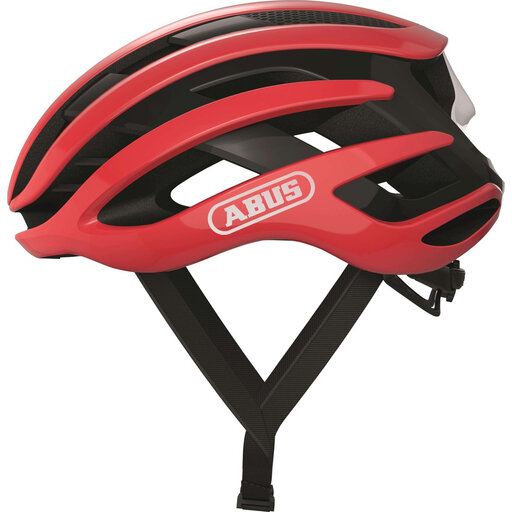
Why it stands out: The ABUS AirBreaker is designed with the performance-oriented cyclist in mind. According to the manufacturer ABUS, the honeycomb structure of the "Multi Speed Design" ensures optimal aerodynamics at high speeds and maximum ventilation during slow, steep climbs.
Advantages:
Who is it for? This is an excellent road bike helmet for the serious road cyclist looking for a balance between aerodynamics and ventilation for training and competitions.
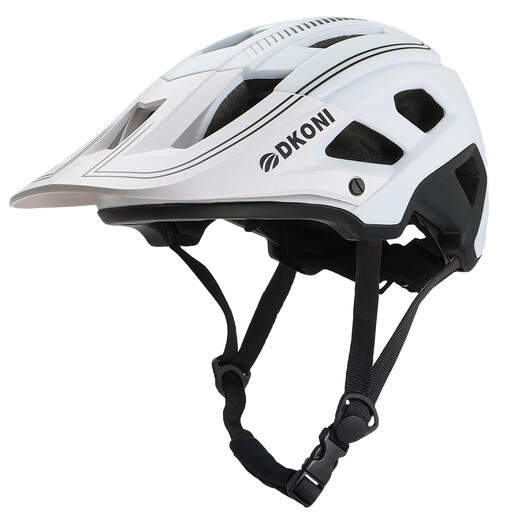
Why it stands out: This MTB helmet is built for rough terrain. It offers extra coverage on the back and sides of the head and has dual safety certification (American and European standards). The large, detachable visor is a practical detail for protection against sun and mud.
Advantages:
Who is it for? Ideal for the adventurous mountain biker who needs a robust and functional helmet for off-road rides, with the added protection of a large visor.
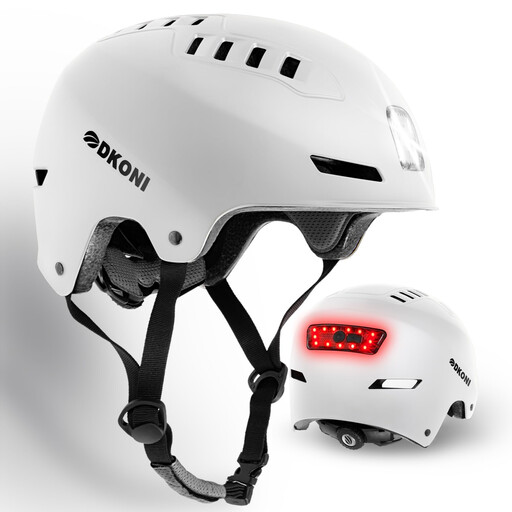
Why it stands out: This helmet is all about visibility. With an integrated, USB-rechargeable LED light on both the front and back, you'll be highly visible in city traffic. The rear light has four different modes for extra attention.
Advantages:
Who is it for? A perfect city bike helmet for the daily commuter or e-bike rider who prioritises safety and visibility, especially at dusk or in heavy traffic.
A good helmet is the first step towards a safe and comfortable ride. But the rest of your gear matters too. For example, protect your floor at home from dirt and scratches from your bike with a practical bike mat. Check out the options to complete your cycling setup.
The general guideline is to replace a helmet immediately after a crash, even if there is no visible damage. The internal structure may be weakened, meaning the helmet will no longer offer full protection in a subsequent impact. Additionally, it is recommended to replace a helmet preemptively every 3 to 5 years, as materials like the EPS foam can degrade over time due to exposure to UV light and sweat.
In the Netherlands, a helmet is not mandatory for cyclists on a regular bicycle or an e-bike with pedal assist up to 25 km/h. For riders of a speed pedelec (which can go up to 45 km/h), an approved helmet is mandatory. Despite the lack of a general requirement, wearing a helmet is strongly recommended for all cyclists.
