
Vandaag of morgen in huis

Kwaliteit gegarandeerd
Download de app
Categorieën

A bean-to-cup coffee machine is a significant investment. The market is vast, and the specifications can be overwhelming. Making the wrong choice can result in a machine that doesn't meet your needs or requires more maintenance than anticipated. This article provides a factual overview of the key selection criteria and presents a curated selection of models based on their specifications, helping you make an informed decision.
Before comparing models, it's essential to understand the core features. These parameters determine the performance, ease of use, and maintenance of your future bean-to-cup coffee machine.
Here, we present three distinct fully automatic espresso machines. This selection is curated based on a thorough analysis of their product specifications and features.
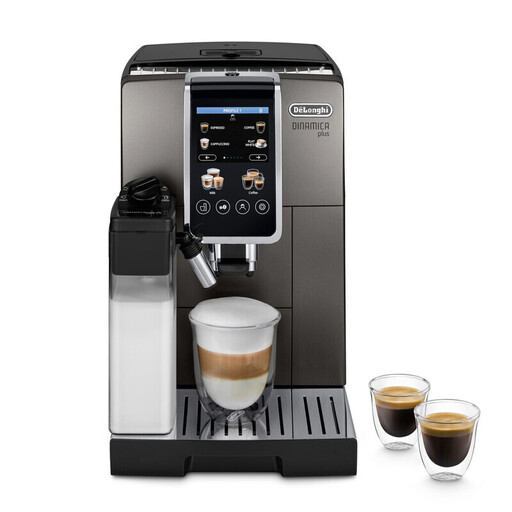
Why this product: This De'Longhi coffee machine stands out for its extensive personalisation options and ease of use. With a touchscreen and 24 pre-programmed beverages, the machine offers a wide array of choices. The LatteCrema system ensures the automatic preparation of milk-based specialities.
Advantages:
Who is it for: Ideal for households that enjoy a wide variety of coffee and milk specialities and value the convenience of a modern display.
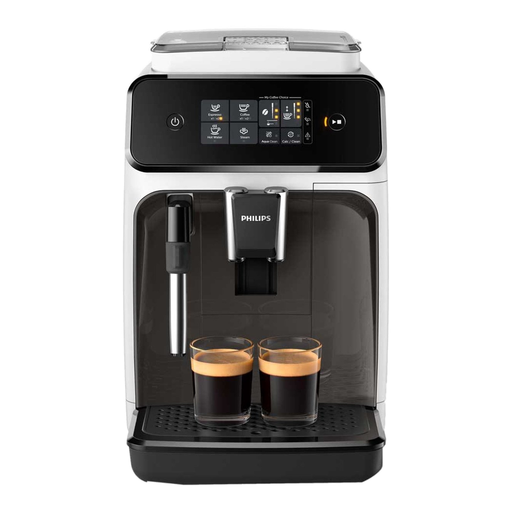
Why this product: This Philips coffee machine focuses on the essentials: brewing great coffee with simple controls. The machine is equipped with a classic, manual steam wand, giving the user complete control over the milk foam. The AquaClean filter technology reduces the frequency of descaling.
Advantages:
Who is it for: For the coffee drinker who primarily enjoys espresso and black coffee, but occasionally wants to prepare their own cappuccino or latte macchiato and values having control over the milk foam.
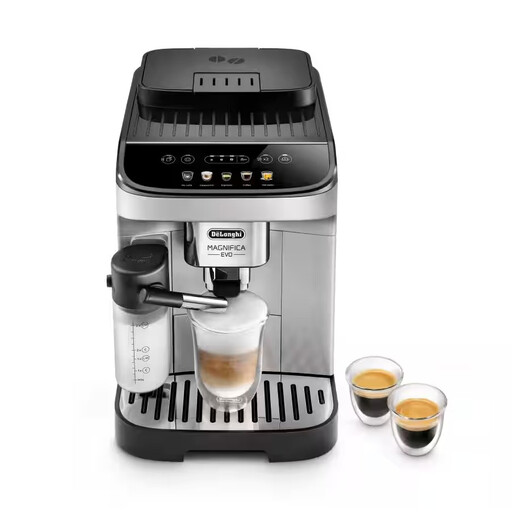
Why this product: The Magnifica Evo combines the automatic milk function of a higher-end model with more accessible controls. The LatteCrema system allows for one-touch preparation of milk-based specialities, including with plant-based milks. The 'MyLatte' function offers personalisation for milk drinks.
Advantages:
Who is it for: For users who seek the convenience of a fully automatic cappuccino machine and regularly drink milk-based specialities, but do not need an extensive menu with dozens of beverages.
The models above represent a selection of popular choices across different segments. However, the market for bean-to-cup espresso machines is vast, and your specific preferences regarding design, budget, or brand may call for a different type of machine. For a broader overview of models, including other brands and price ranges, you can browse our full category.
1. What is the difference between a fully automatic and a semi-automatic (piston) machine? A fully automatic coffee machine grinds the beans, doses the coffee, tamps it, and brews the coffee at the touch of a button. A semi-automatic machine requires more manual steps: you often grind the beans separately, fill the portafilter (piston) yourself, tamp the coffee, and manually start and stop the extraction. A fully automatic machine offers convenience, while a semi-automatic provides more control for the home barista.
2. How often should you descale a fully automatic coffee machine? The frequency depends on the water hardness in your area and how often you use the machine. Most modern machines provide a notification when descaling is required. Using a water filter (like the Philips AquaClean) significantly reduces the need for descaling. Always follow the manufacturer's instructions and use the recommended descaling agent.
3. Can I use any type of coffee bean in a bean-to-cup coffee machine? In principle, yes, but it is not recommended to use very oily or caramelised coffee beans. The oils and sugars can build up on the grinder burrs and in the brew group, which can lead to blockages and malfunctions. It is best to choose beans that are specifically labelled as 'suitable for fully automatic machines'.