
Vandaag of morgen in huis

Kwaliteit gegarandeerd

Welkomstaanbiedingen ontgrendelen: GRATIS bezorging | Tot 80% korting | Gratis 30 dagen JoyPlus-proefperiode
Download de app
A good backpack is a reliable companion on the go, whether you're cycling to college, commuting to the office, or heading into nature for the weekend. But the search can be frustrating. Many bags look great online but prove to be a disappointment in practice: zippers that break after a few months, shoulder straps that dig into your skin, or belongings that get soaked after a typical downpour.
As a Joybuy Product Recommendation Officer, I'm here to help you see through the marketing jargon. We'll focus on the facts, so you can choose a backpack that truly suits your needs and will last for years.
Before we look at specific models, it's important to recognise the most common pitfalls. This will save you money and a lot of frustration.
With these pitfalls in mind, here are the three core features that define a good backpack.
The lifespan of a backpack heavily depends on the material used. Fabrics like polyester and nylon with a high denier rating (e.g., 600D) are abrasion-resistant and last longer. Also, pay attention to the zippers. Double metal zippers are far more reliable than flimsy plastic ones. For a travel backpack or hiking backpack, this is an absolute must-have.
A backpack should distribute weight evenly. Look for the following features:
Think about what you carry daily. Do you have a laptop? Choose a model with a dedicated compartment. Do you often bring a water bottle? Then side pockets are indispensable. For travellers, packing cubes can be a game-changer. These separate bags help you organise the contents of your backpack, so you don't have to rummage through your entire bag for a pair of socks.
Based on objective specifications, we have selected a few models that suit different user profiles.
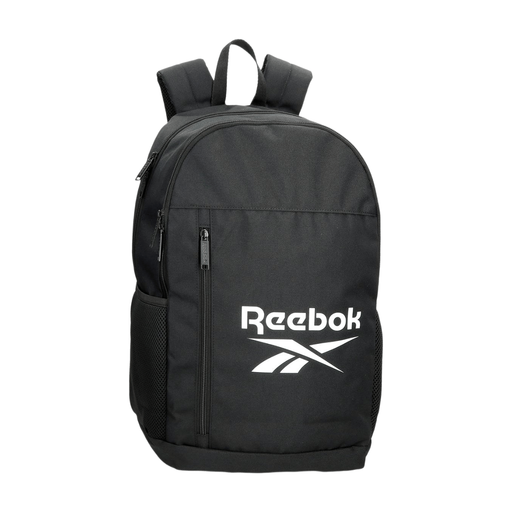
Why This Fits Their Persona: Ideal for students and professionals who need a reliable bag for daily use. The sporty yet neutral look fits both casual and business environments. Suitable as a school bag or for work.
The two separate compartments tackle the 'volume isn't everything' pitfall. You can separate your laptop and books from your lunch or gym clothes, ensuring better organisation.
The durable construction and adjustable shoulder straps offer reliability and comfort for daily carrying. A practical all-rounder without unnecessary frills.
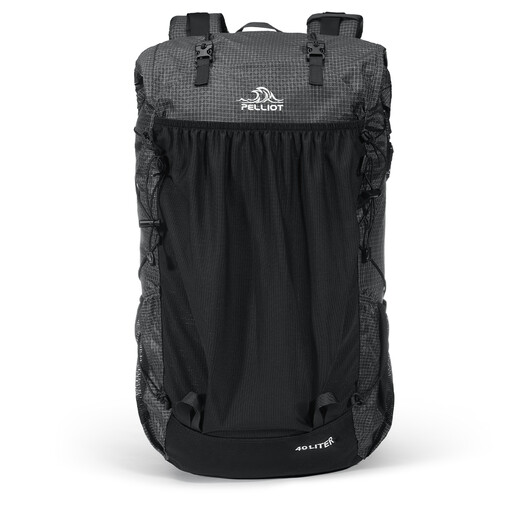
Why This Fits Their Persona: Designed for multi-day hikes and travel. This hiking backpack is built for heavy loads and long-lasting comfort, with features you won't find in a standard backpack.
Directly addresses the 'comfort that fades' pitfall. The built-in frame and dynamic harness transfer weight to the hips, preventing back and shoulder pain on long treks.
The 3D breathable cushioning system and smart compartment layout with gear attachment points make this a highly functional travel and hiking backpack.
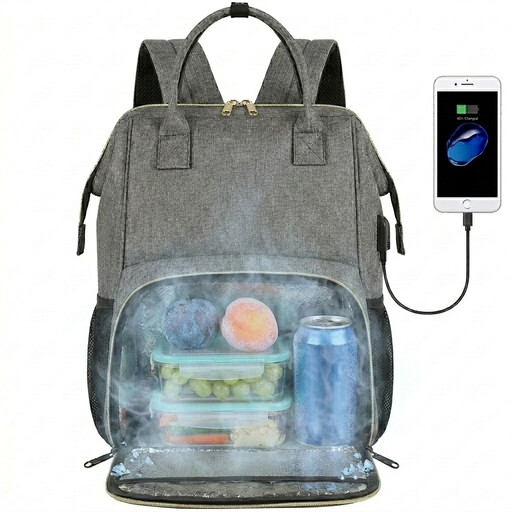
Why This Fits Their Persona: Perfect for those who combine work, study, and meals. This bag functions as a laptop backpack and a cooler bag in one, eliminating the need to carry separate bags.
This model offers a smart, multifunctional layout that bypasses the pitfall of an impractical main compartment. The separate, leak-proof cooler section protects your electronics and documents from condensation or spills.
The insulated compartment keeps food and drinks hot or cold for 2-4 hours. The built-in USB port makes it easy to charge your phone on the go (power bank not included).
We have compiled a complete, up-to-date list of products that meet these strict selection criteria and current regulations.
The required capacity depends entirely on your use case:
Always check the care label first. Most backpacks, especially those with a water-resistant coating or special structure, should not be put in the washing machine. The best method is manual cleaning:
Not necessarily. A higher price often correlates with better materials, more advanced ergonomic features, and a longer lifespan. But the 'best' backpack is the one that meets your specific needs. For daily trips to the gym, a simple Reebok backpack might be perfect. However, if you're heading into the mountains, investing in a technical hiking backpack with a good support system is more than worth the extra money. It's all about finding the right balance between functionality and budget.
